David Tao Concert Realistic Sculpture Inflatable
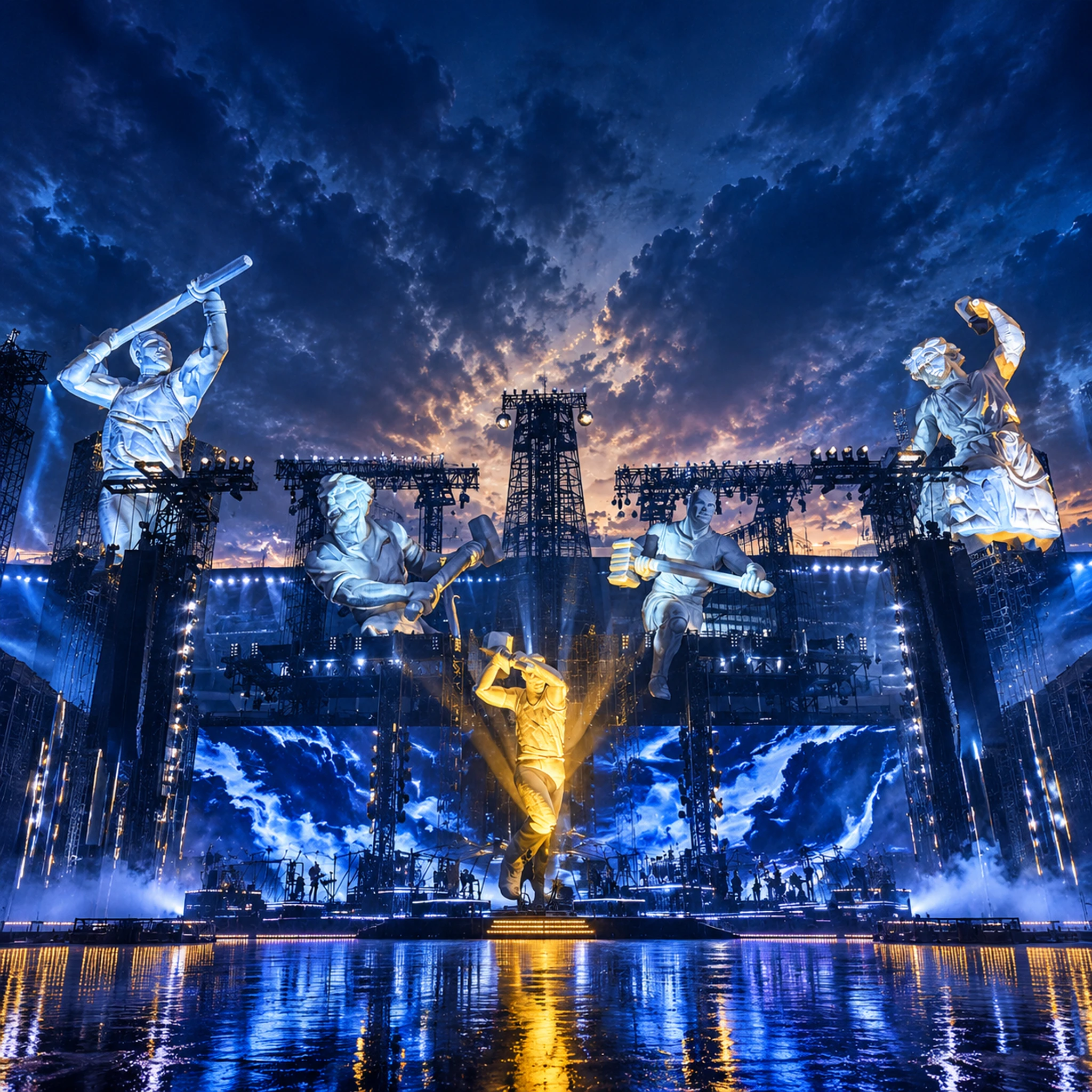
Project Details
Client
David Tao
Type
Giant Outdoor / Art
Application
Performance Stage / Visual Merchandising Installation
Size
Length: 10.23 meters, Width: 12.87 meters, Height: 10.24 meters
Material
Oxford Fabric
Craft
Heat Transfer Printing / 3D Modeling & Pattern Making / Laser Cutting
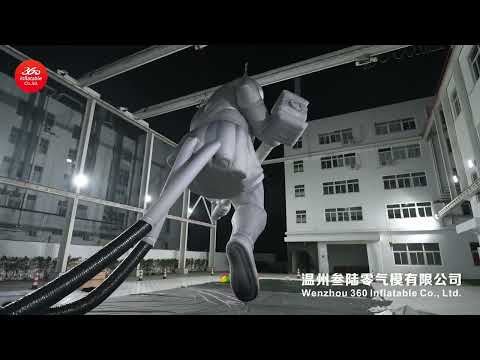
Video
Story
Let the Stage Be More Than a Stage | Wenzhou 360 Inflatable Joins the David Tao Concert Project to Co-Create an Immersive Live Visual Experience
Brand Case Study: Large-Scale Inflatable Sculpture Stage Installation Project for David Tao’s Concert
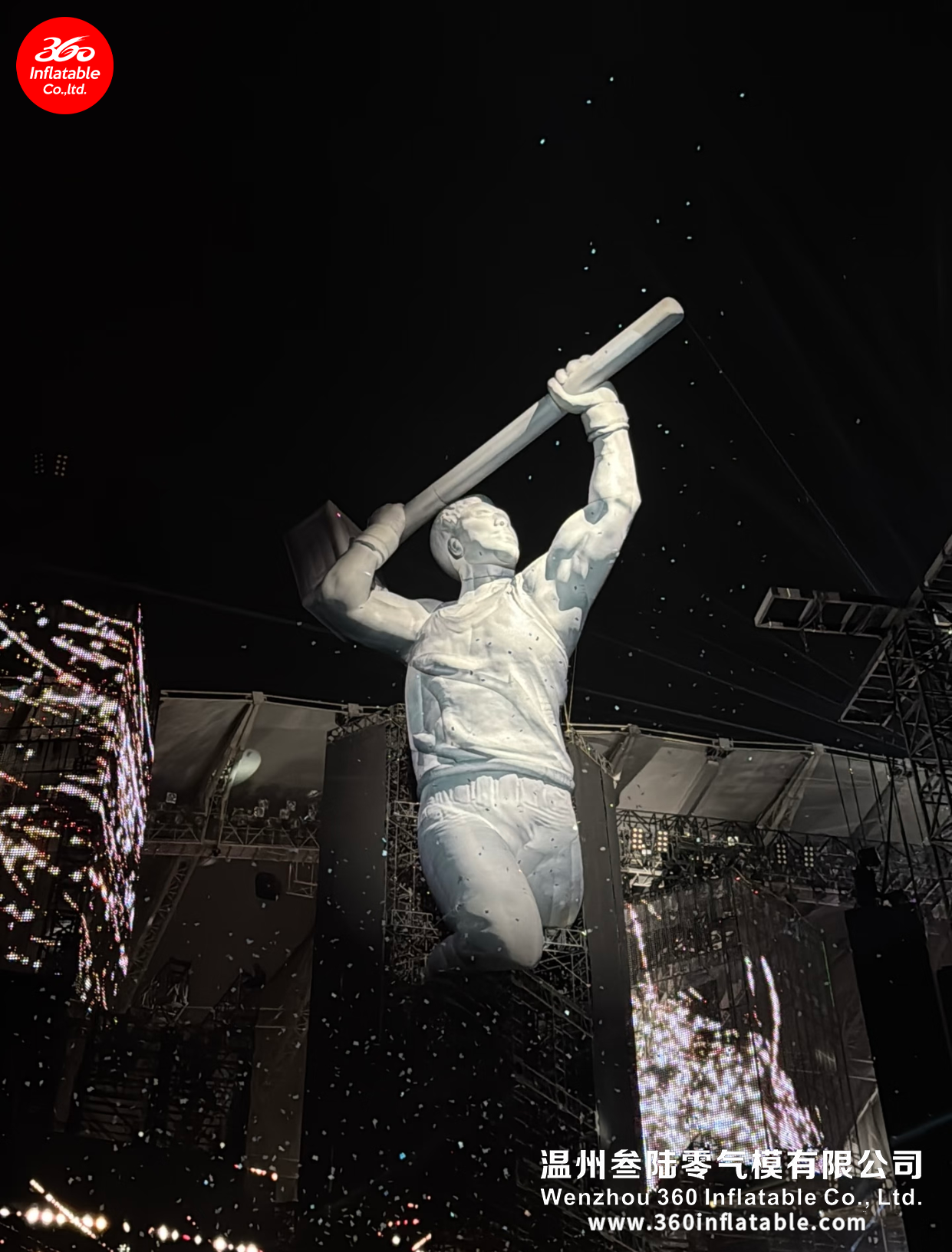
When the music begins, stage lighting, screen imagery, and the live atmosphere together form the visual memory of a concert.
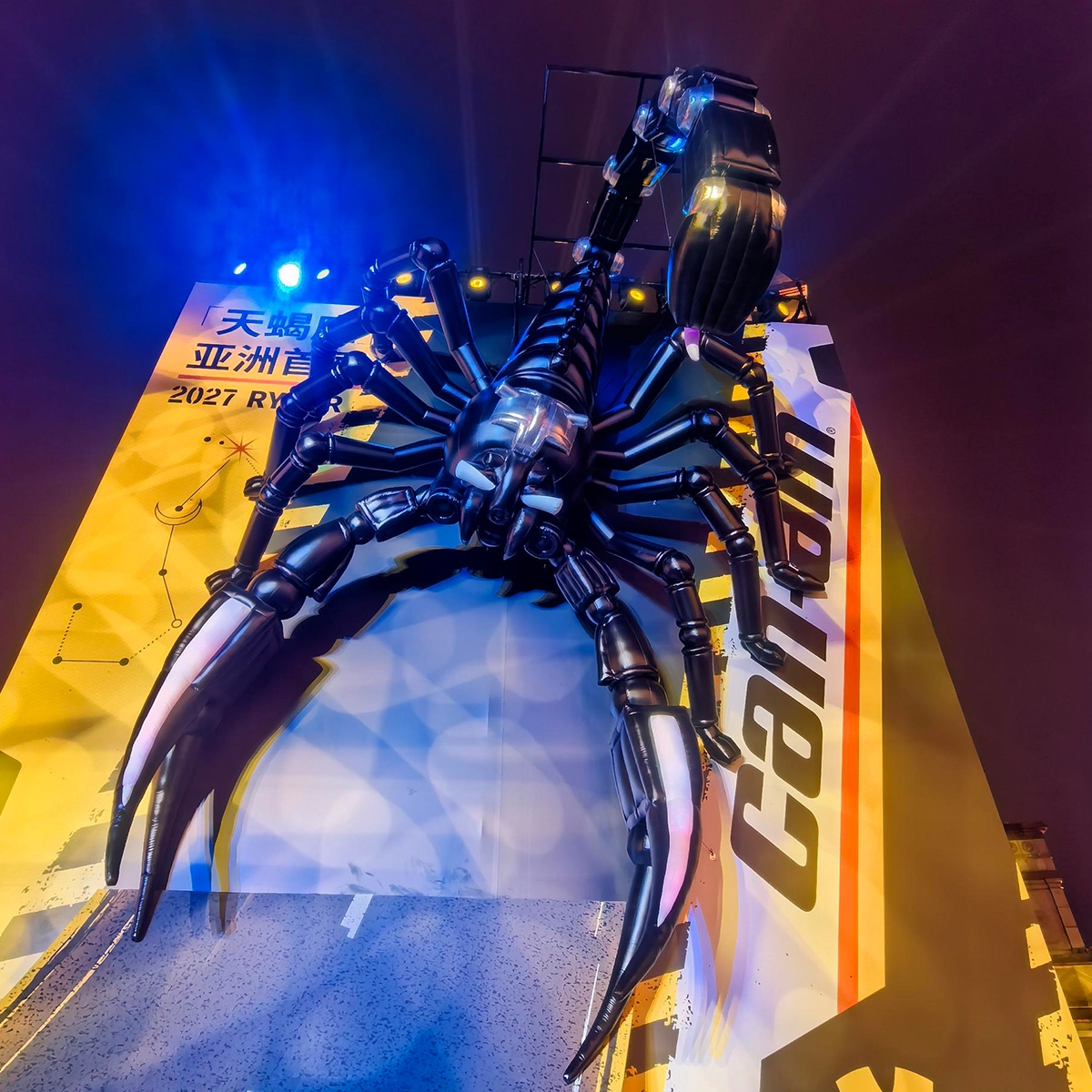
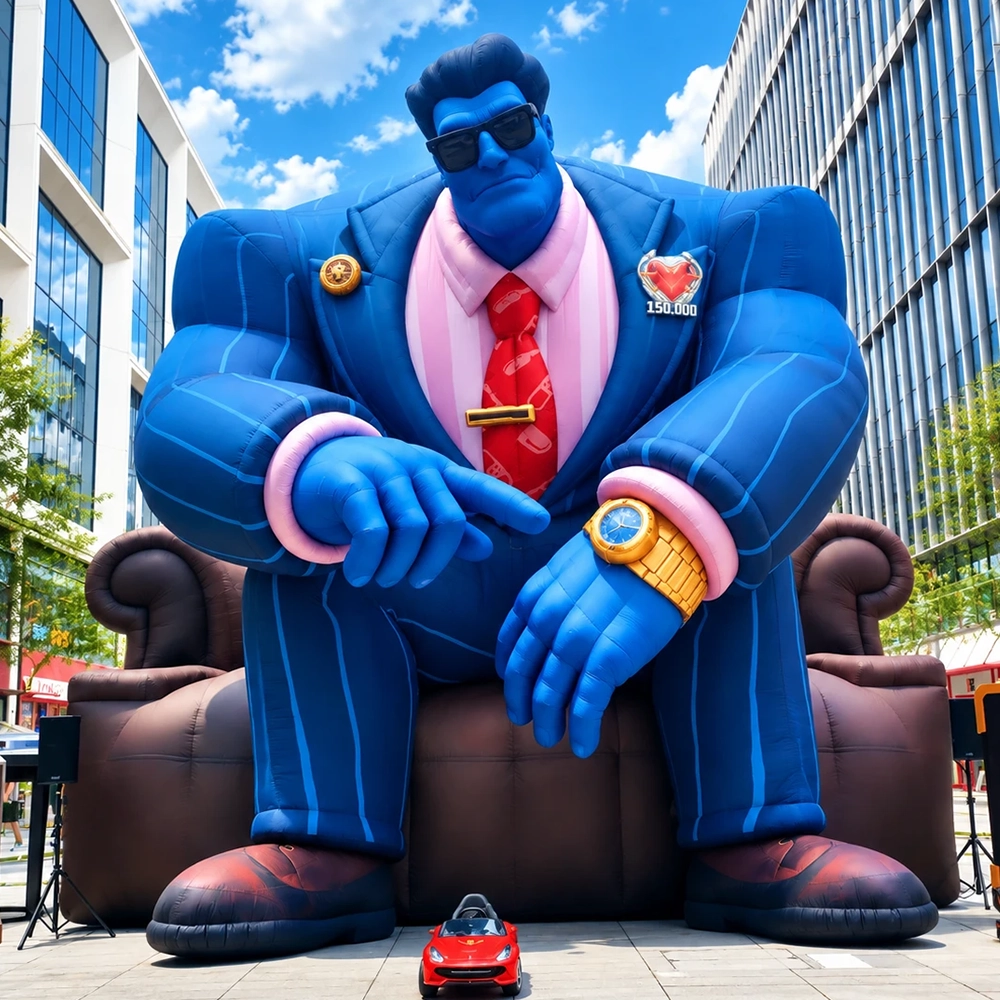
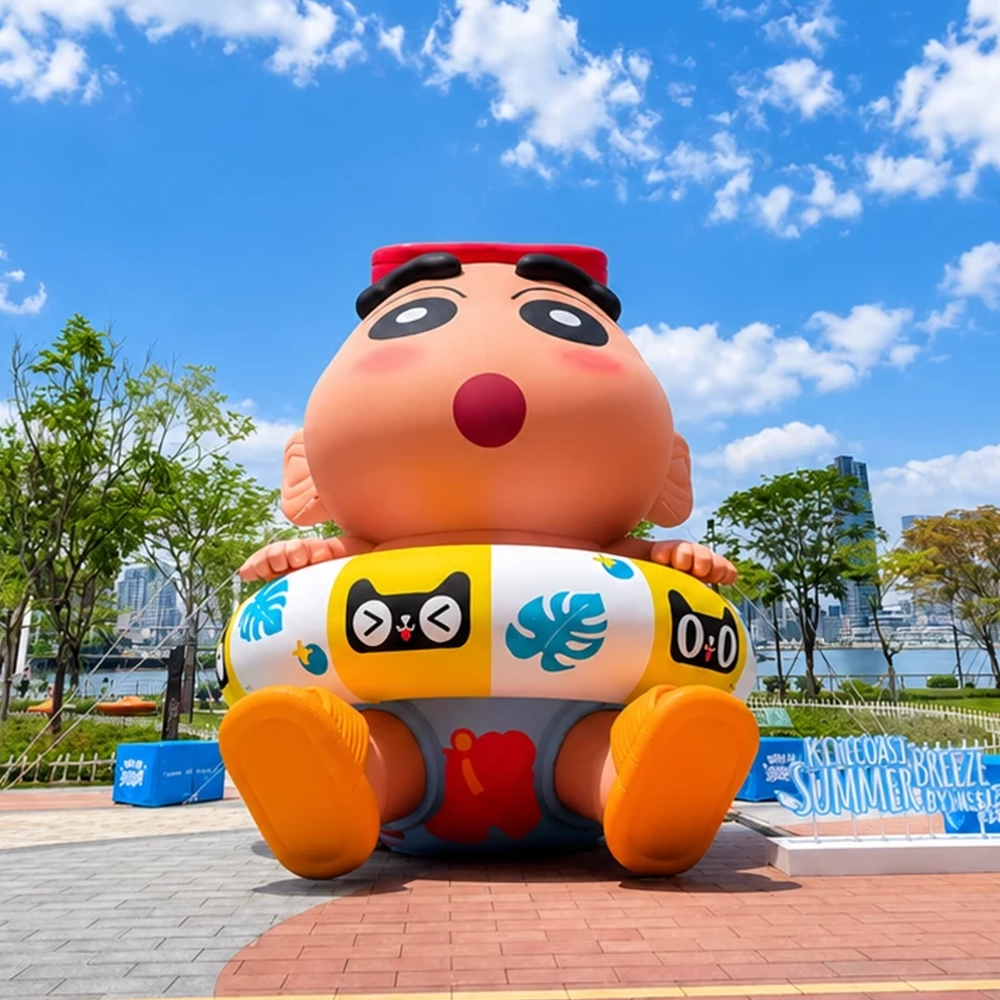
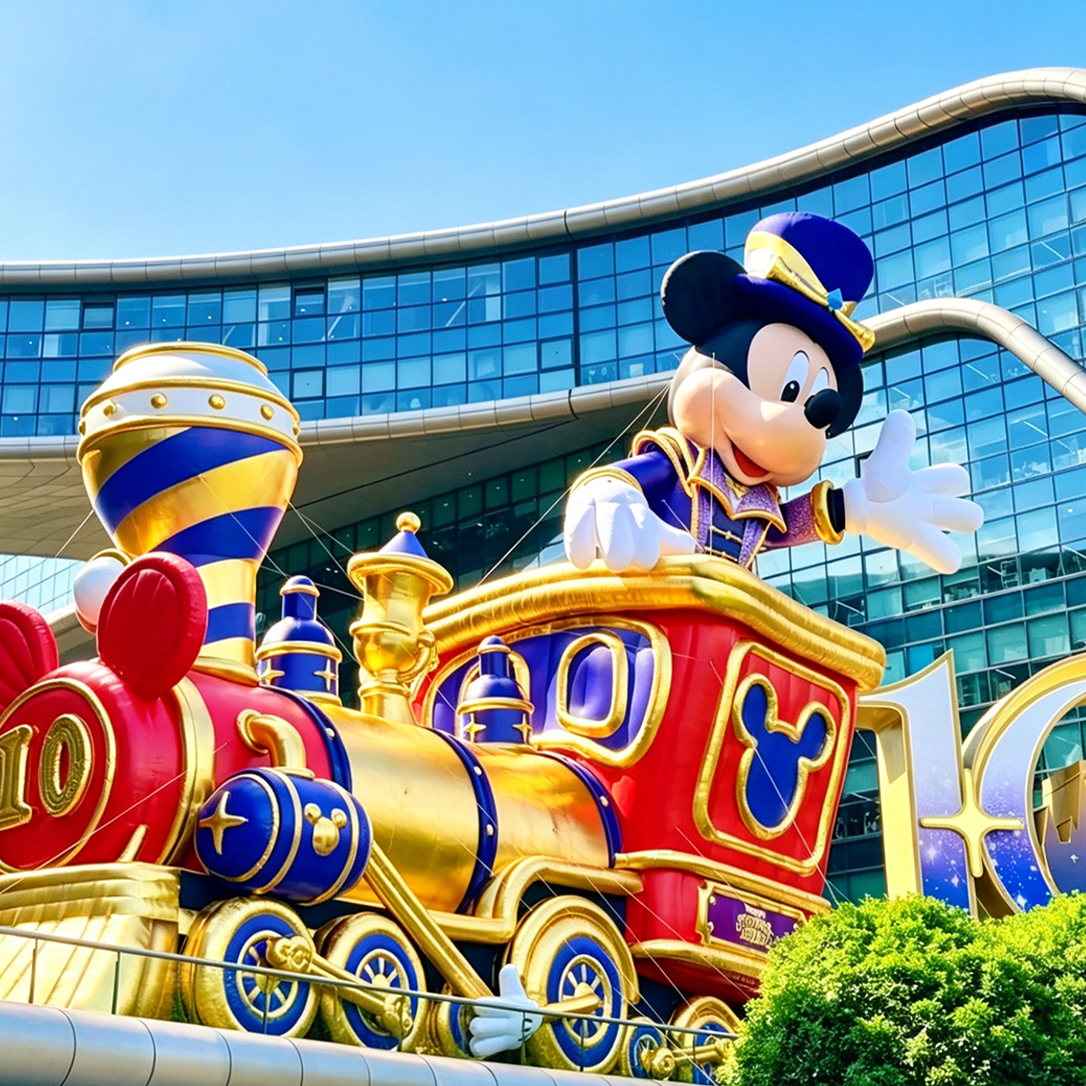
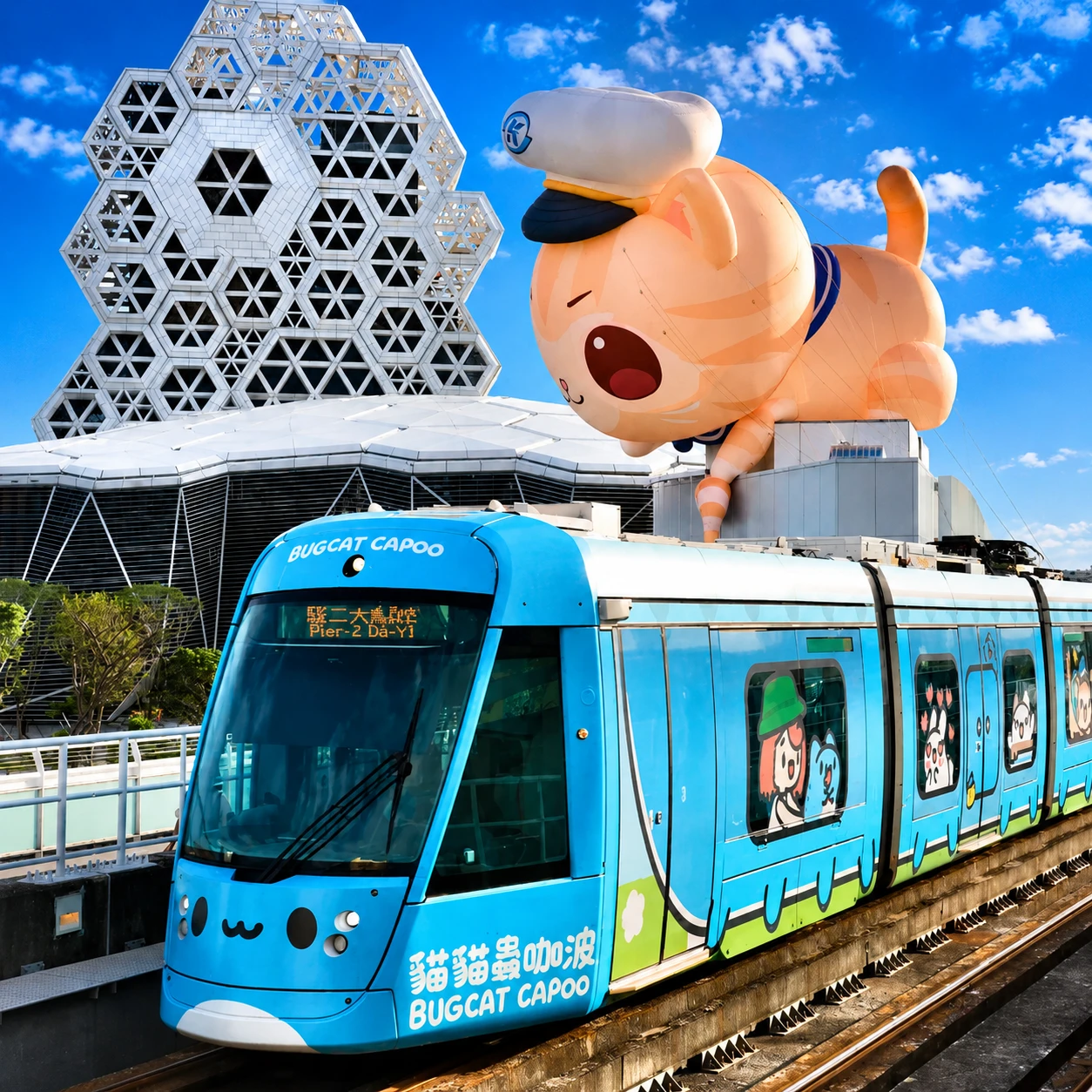
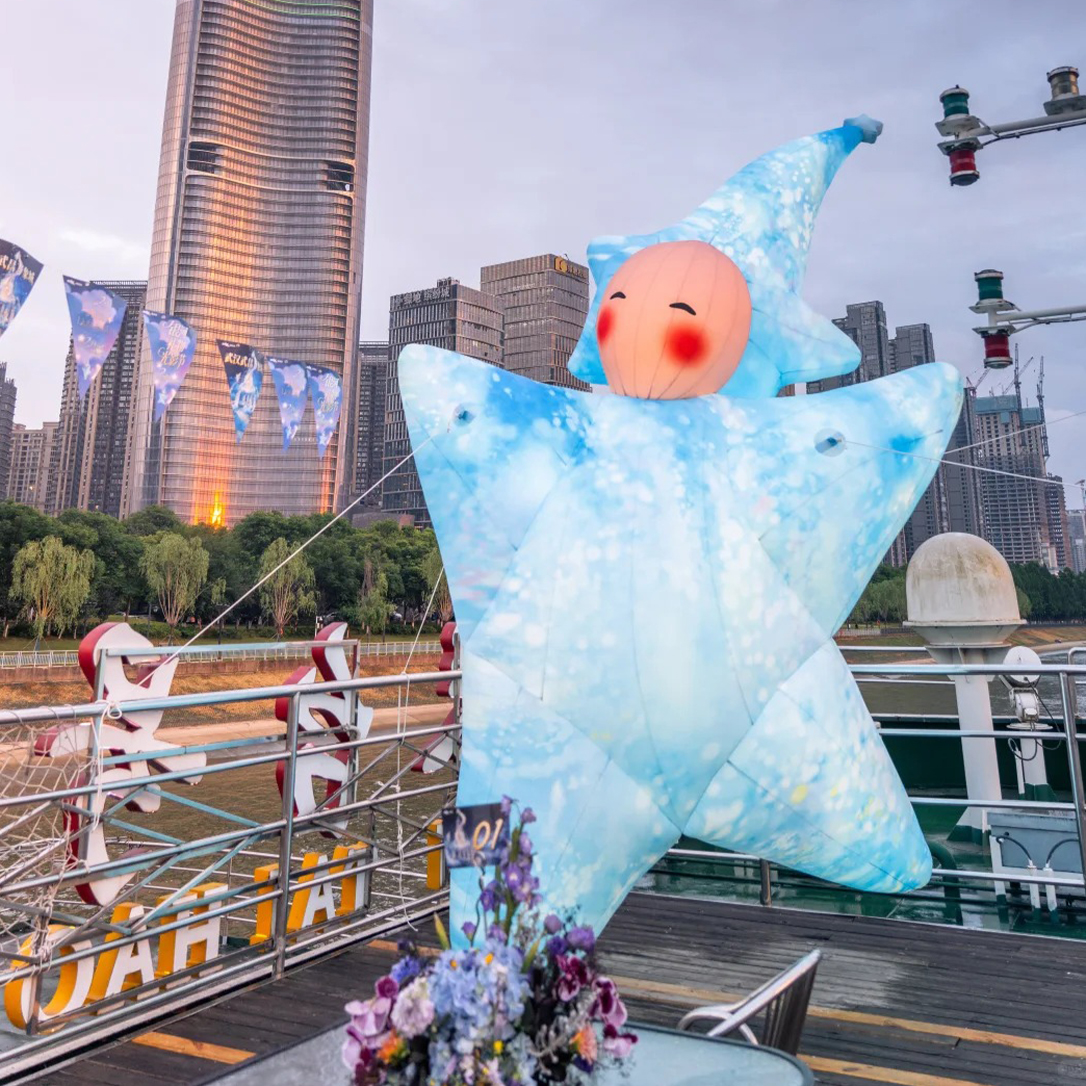
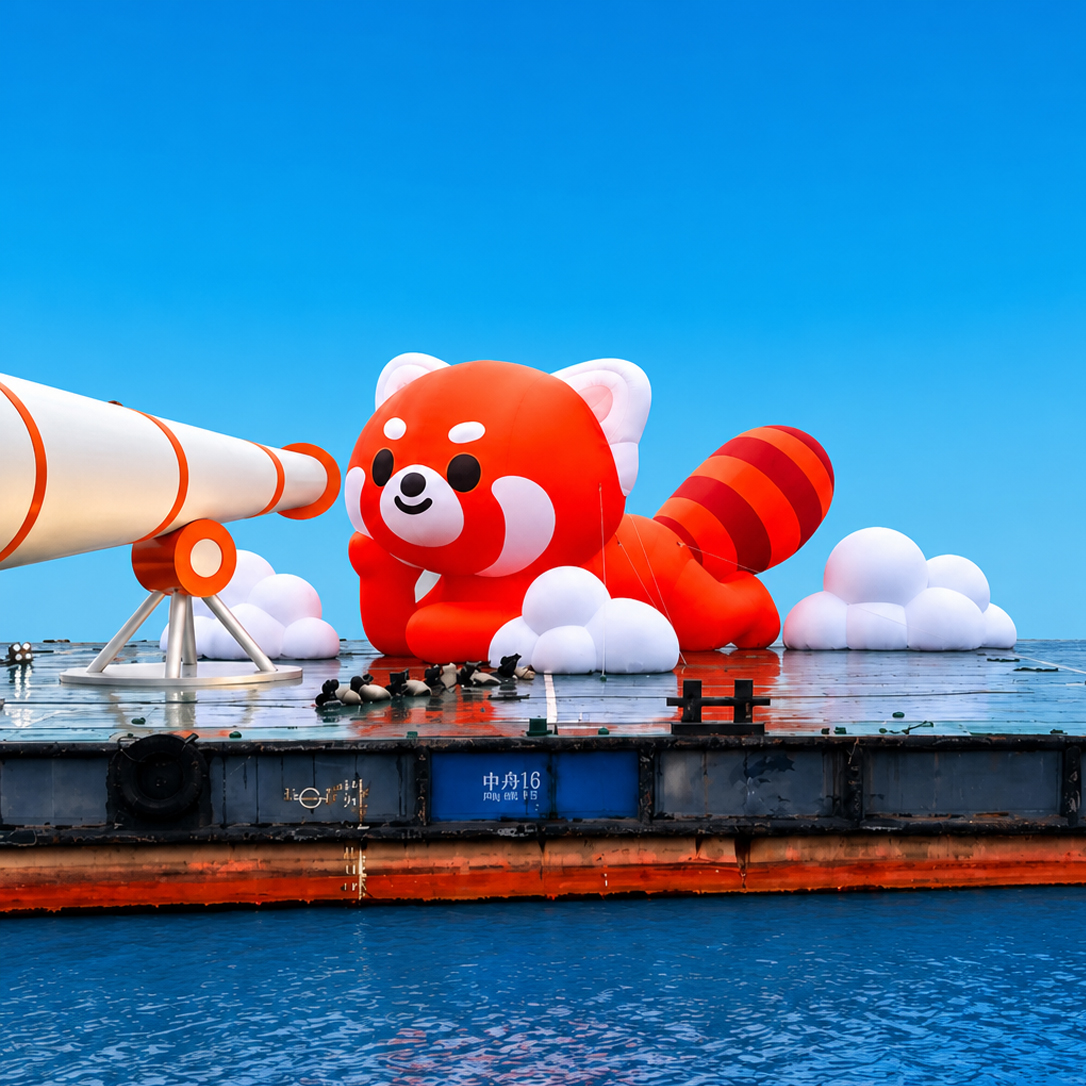
In this concert, what truly gave the stage space a sense of “three-dimensionality” was not only the lighting and LED screens, but also groups of character inflatables with a strong sculptural quality.
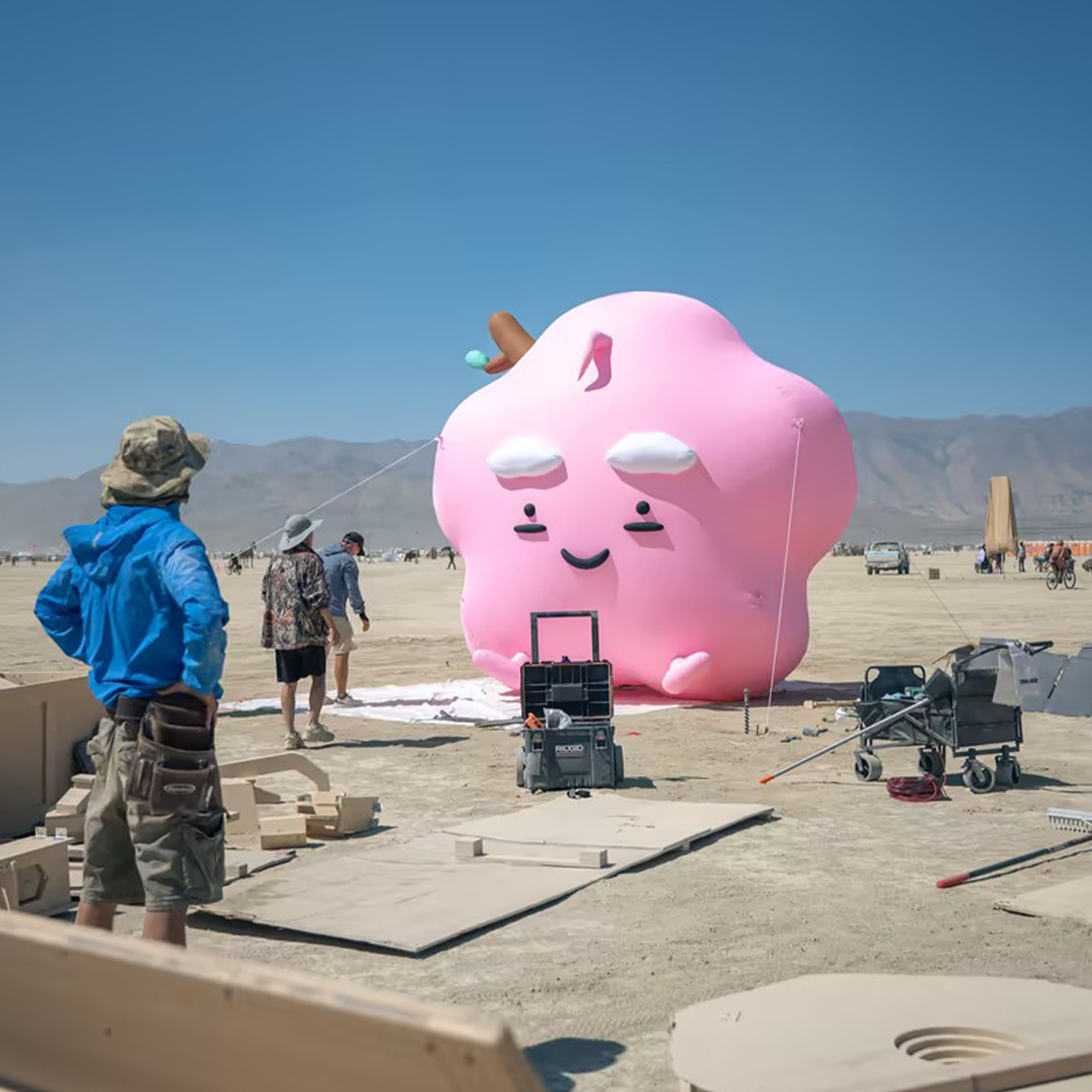
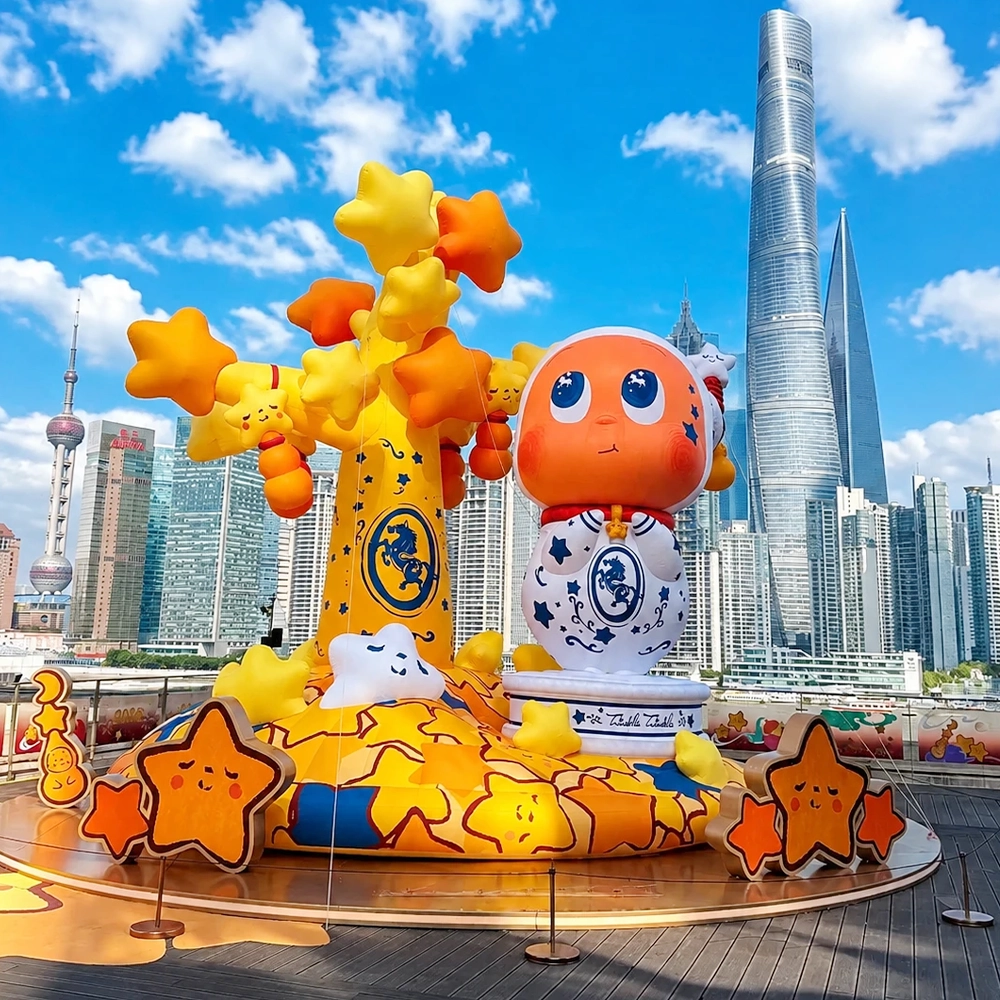
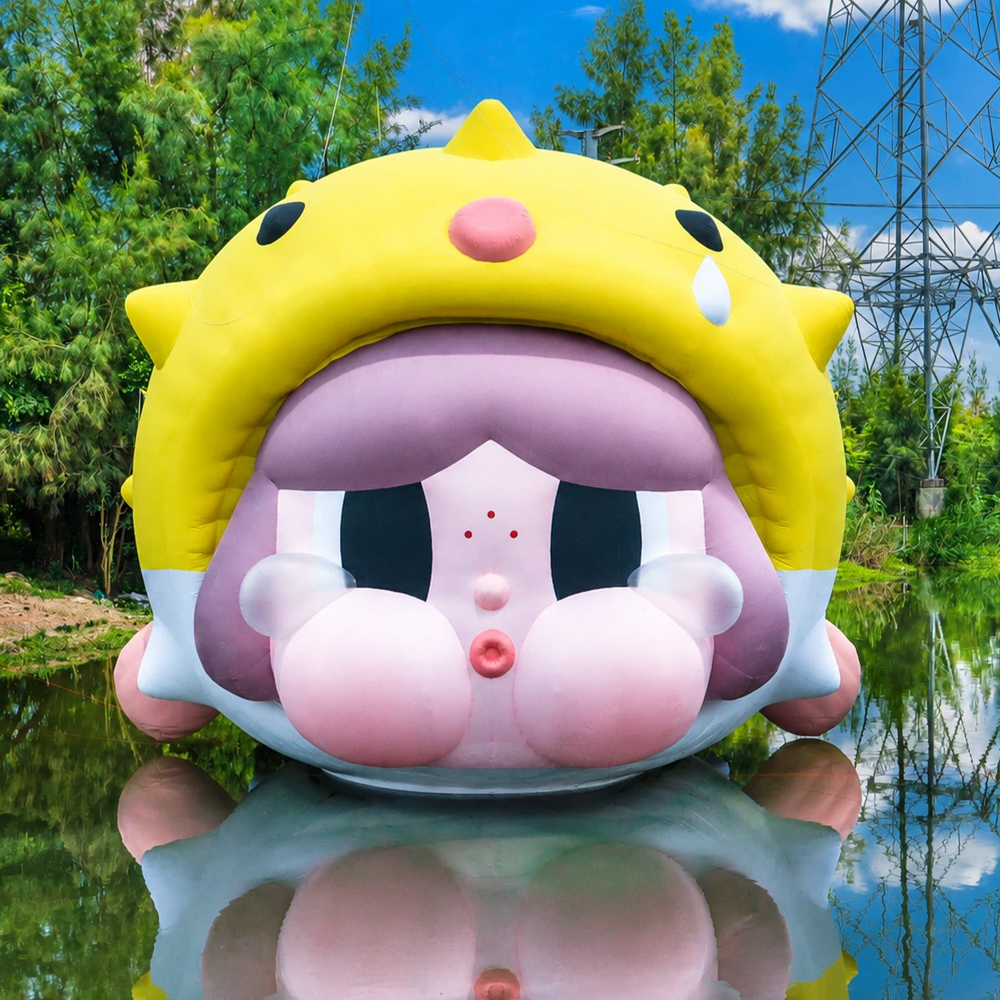
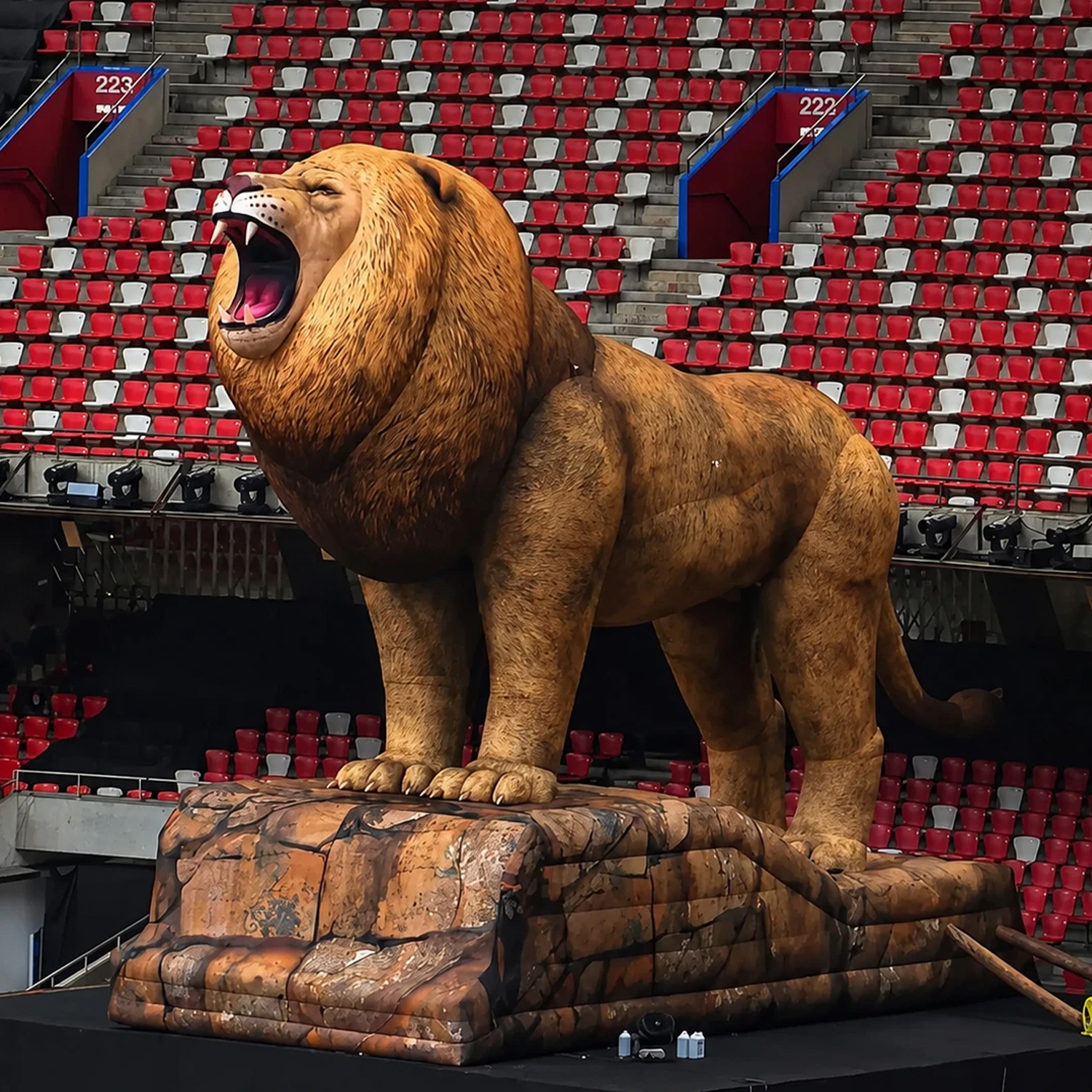
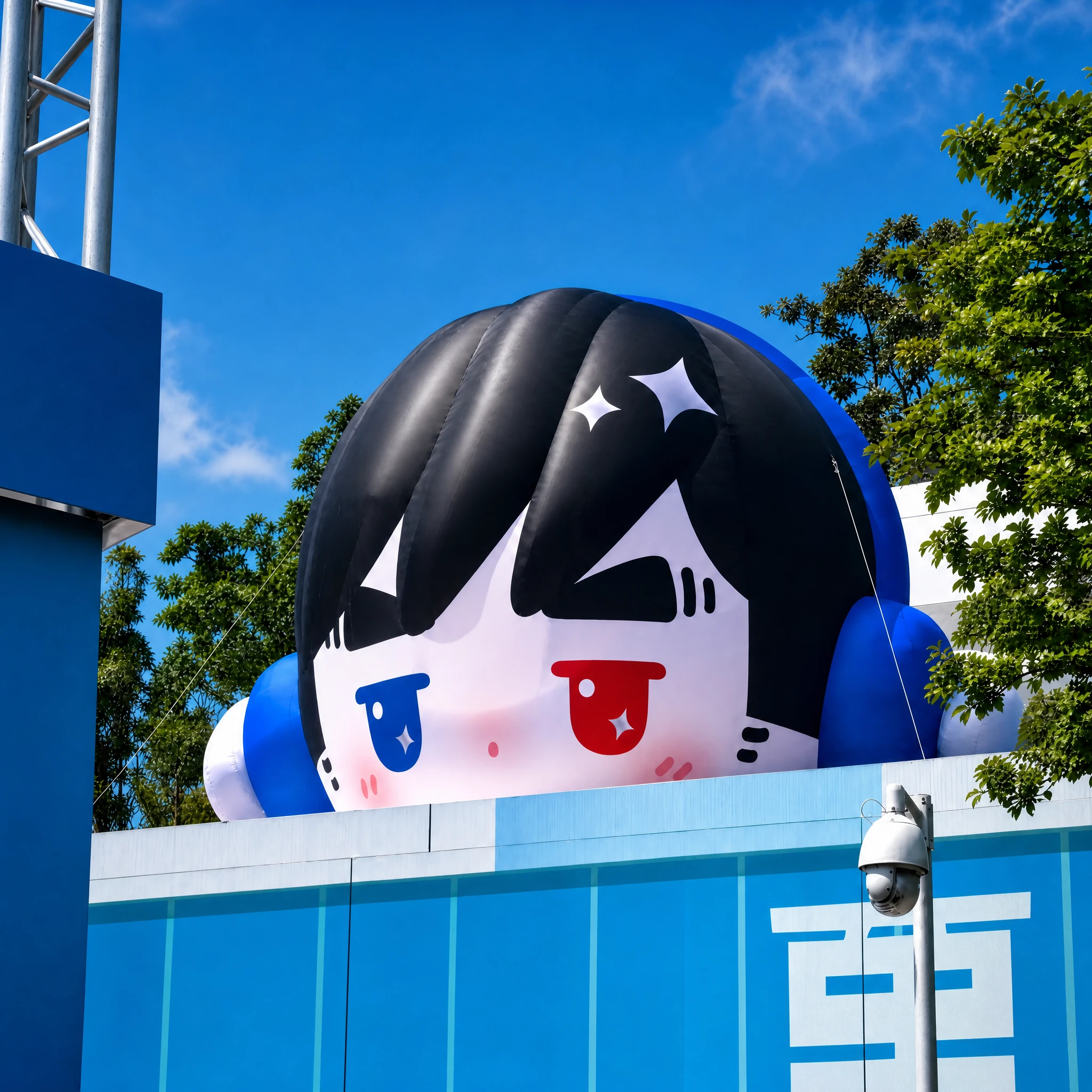
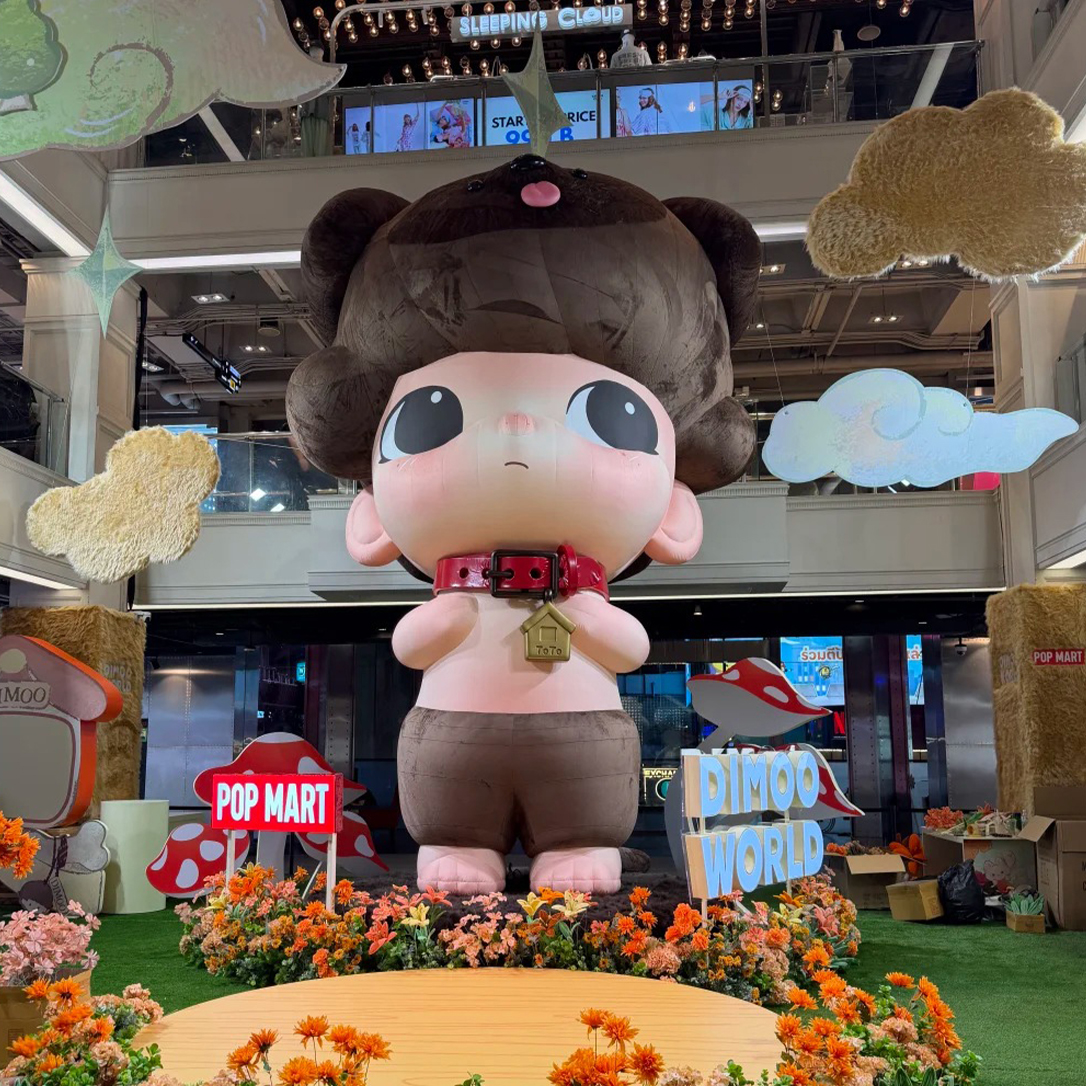
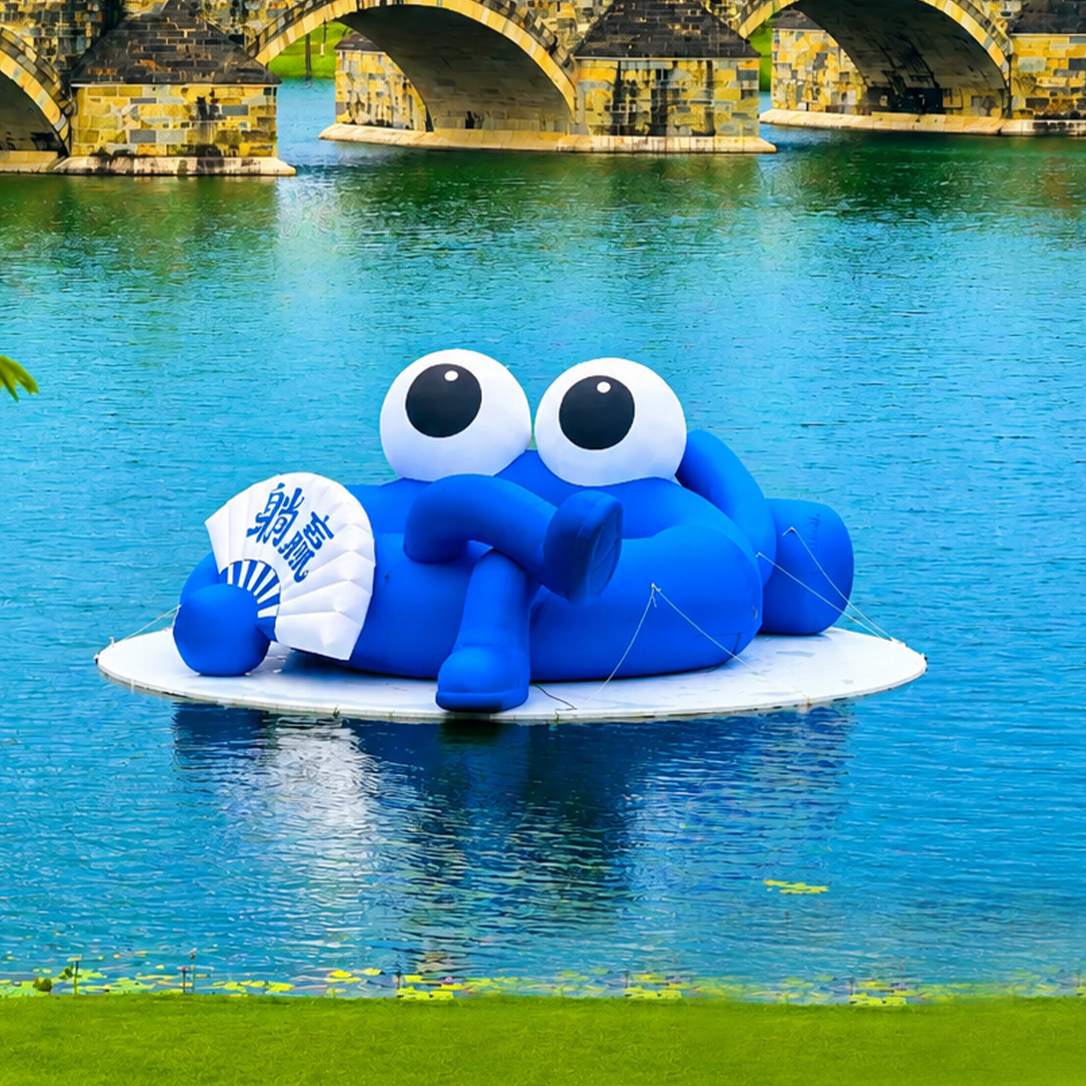
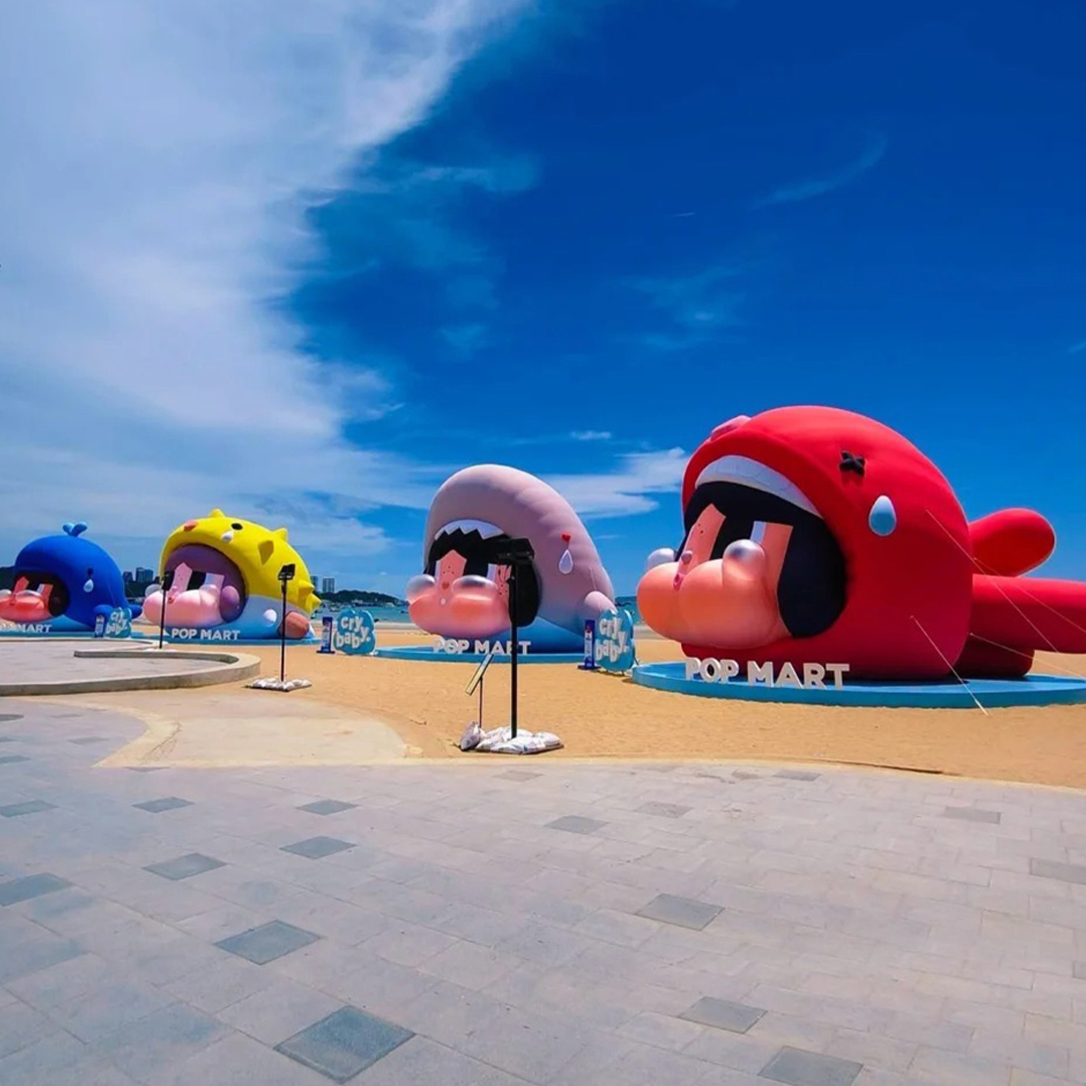
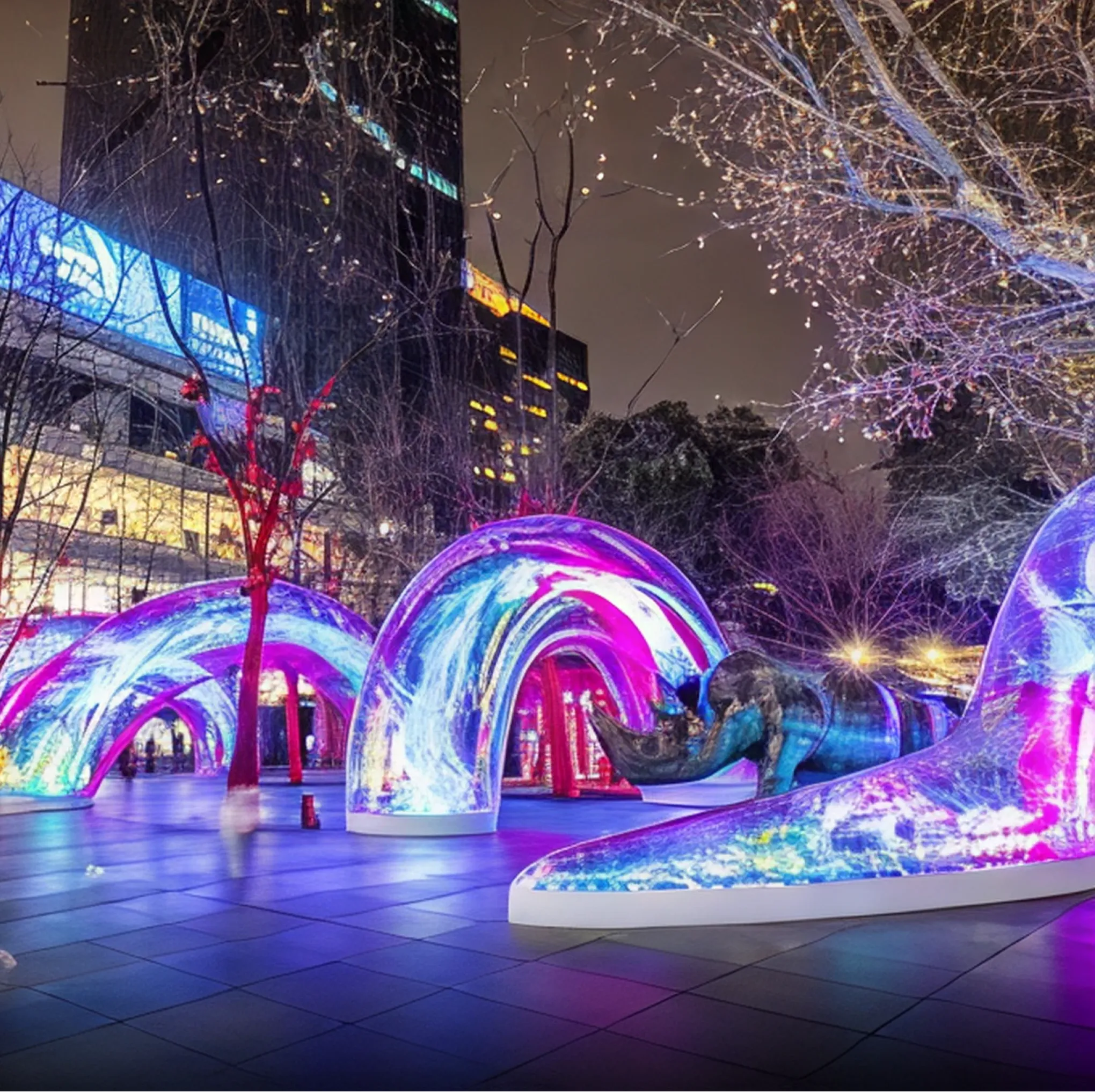
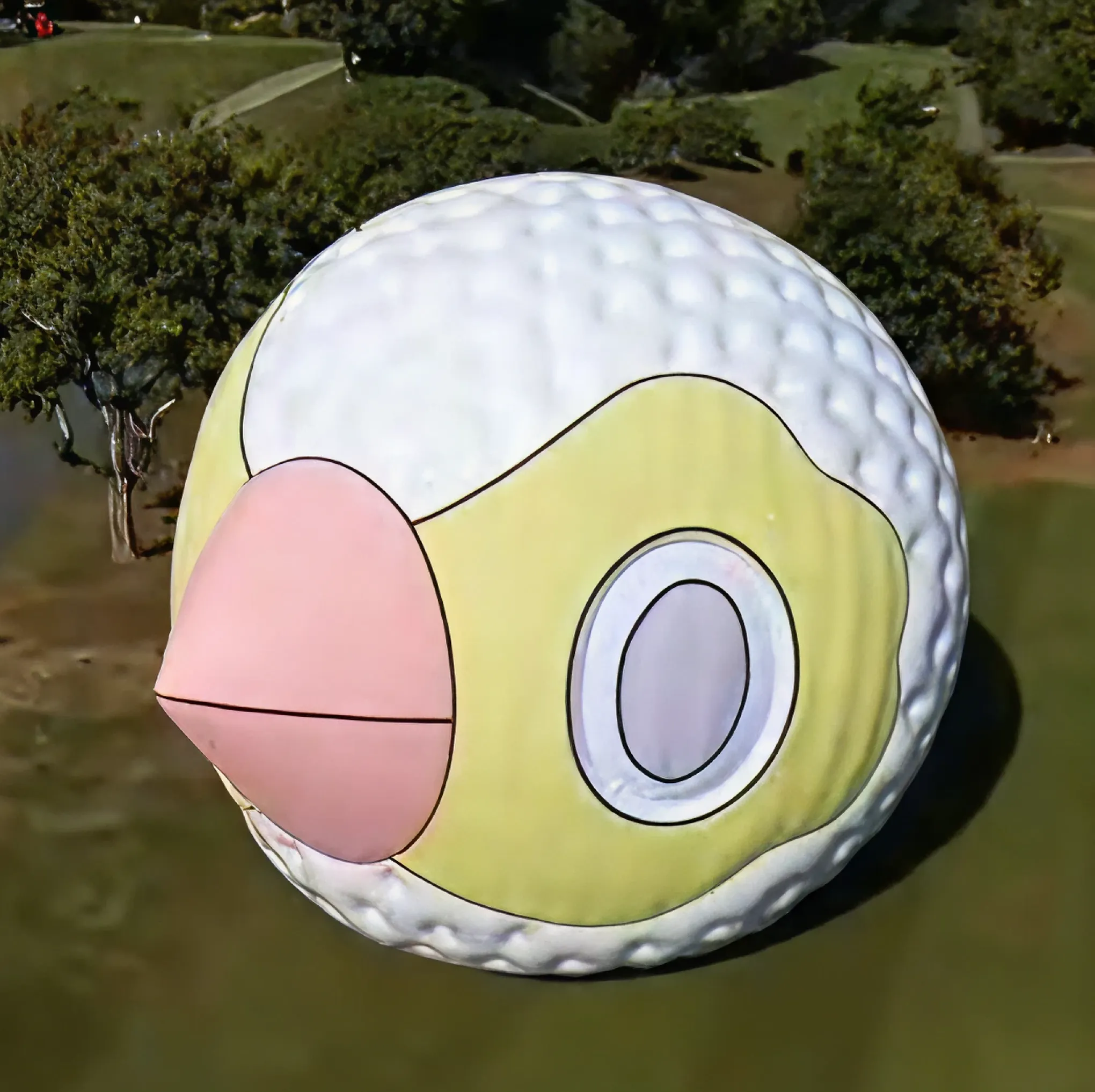
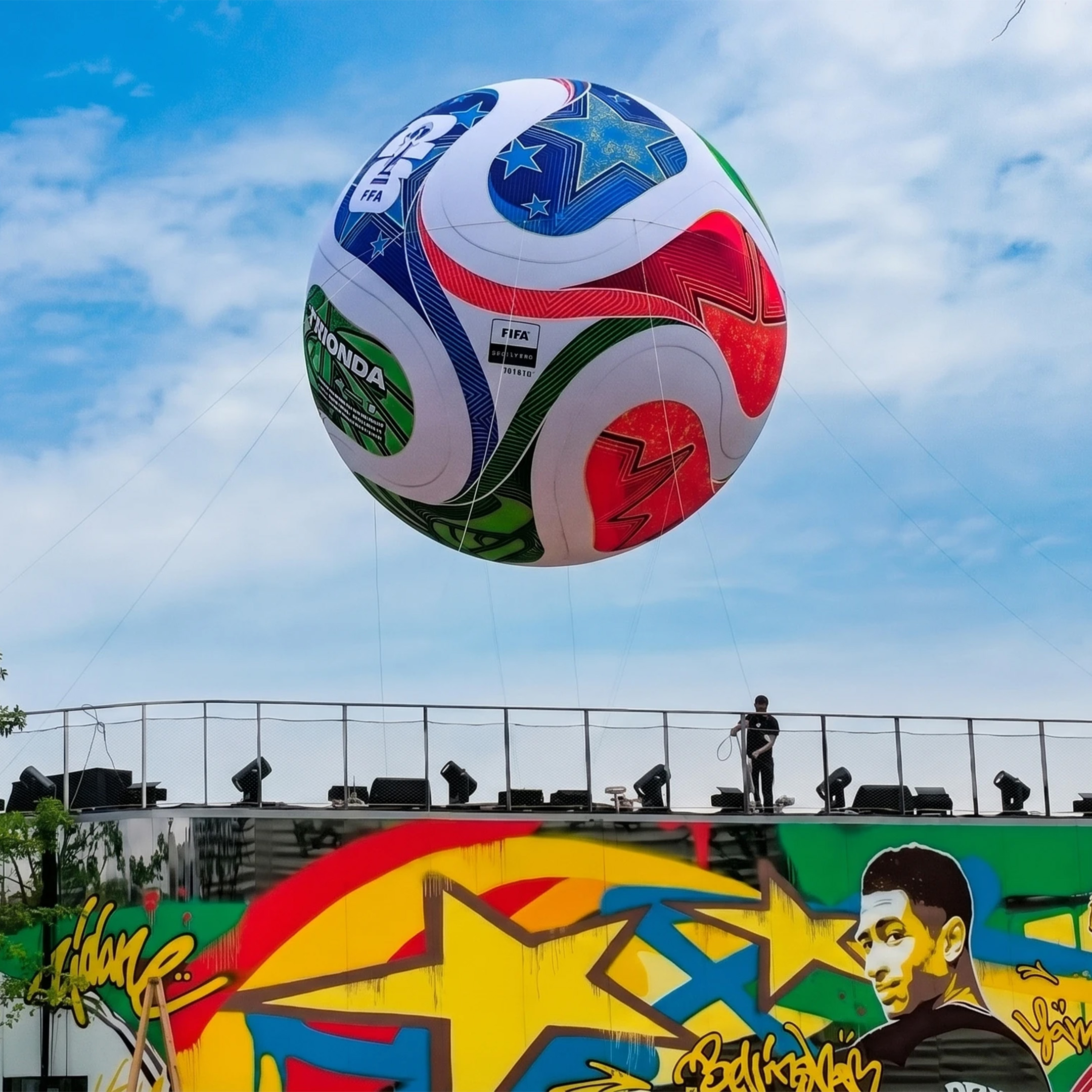
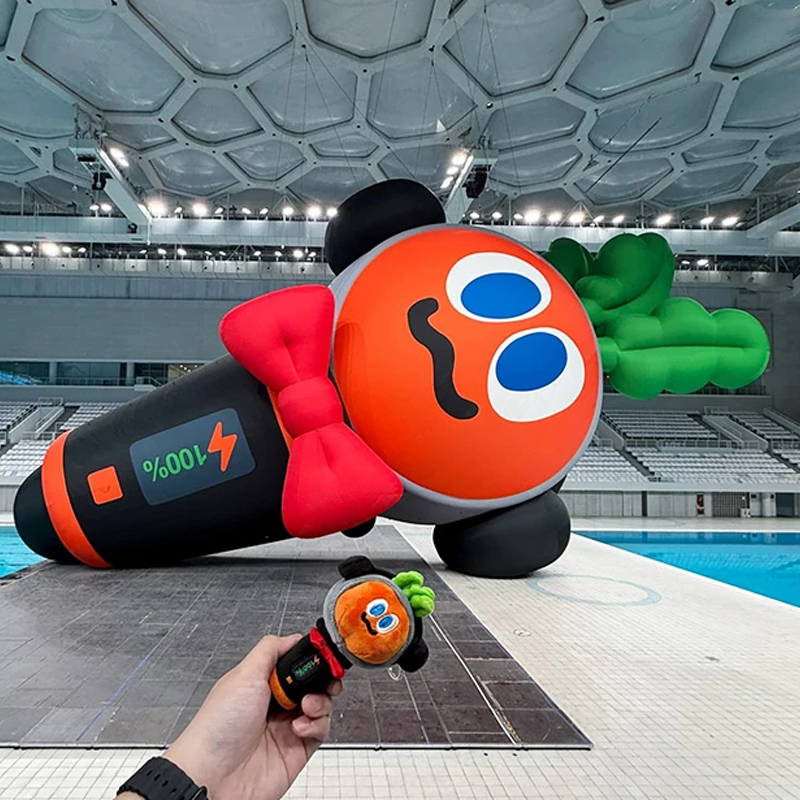
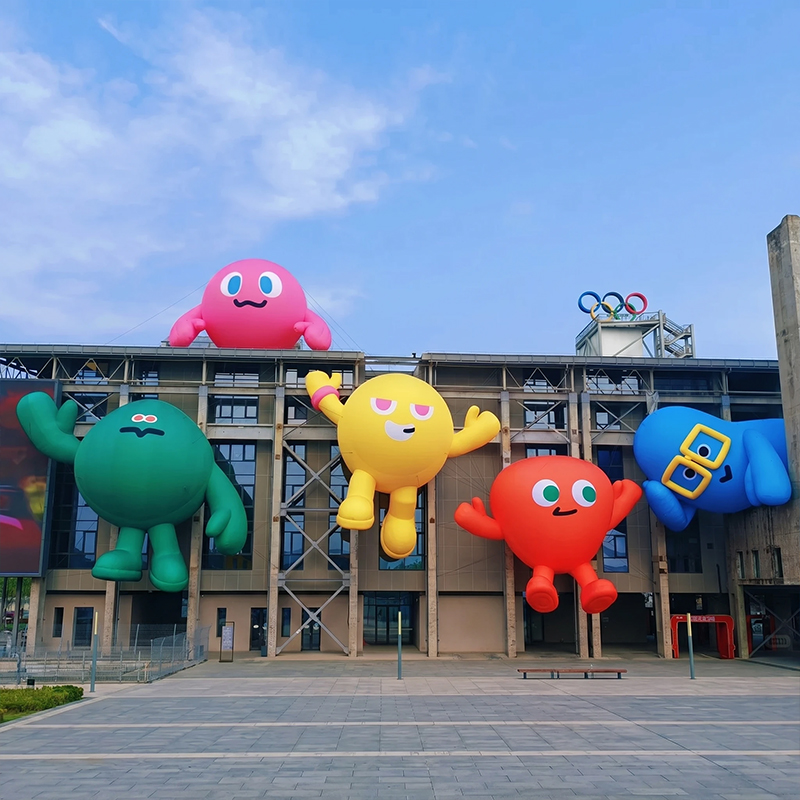
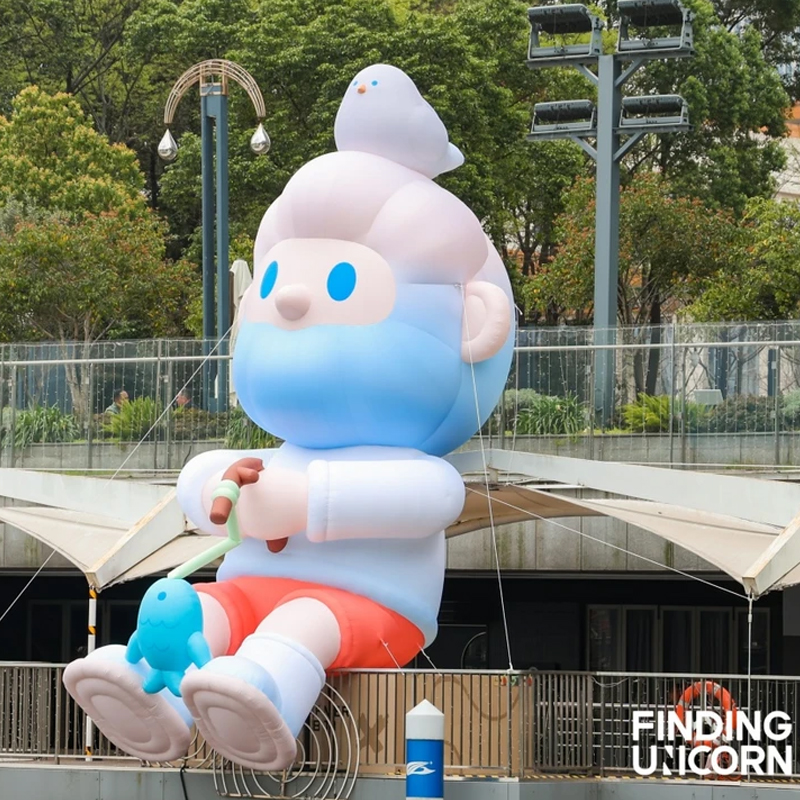
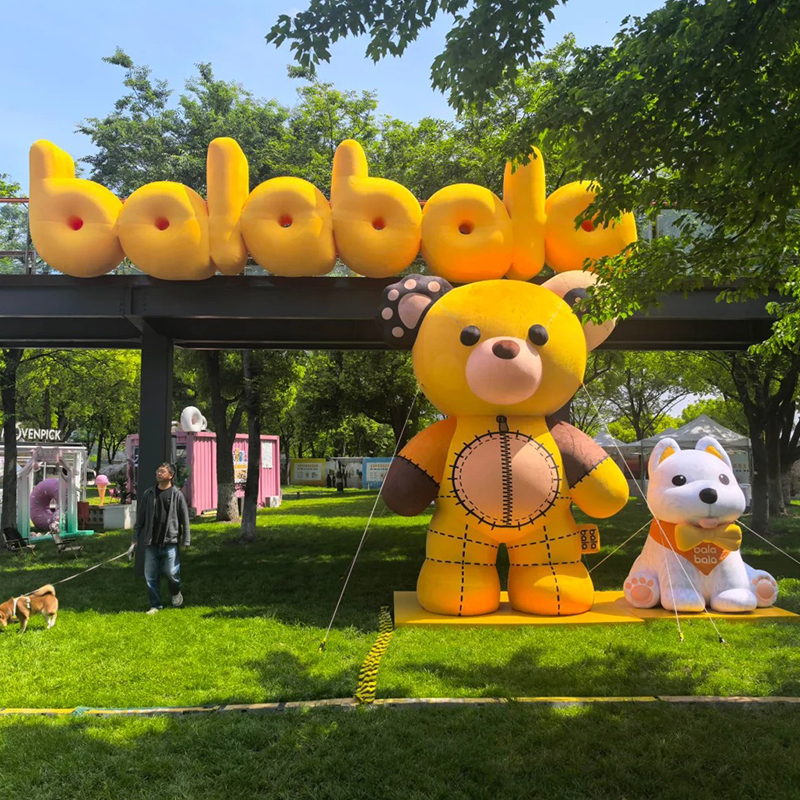
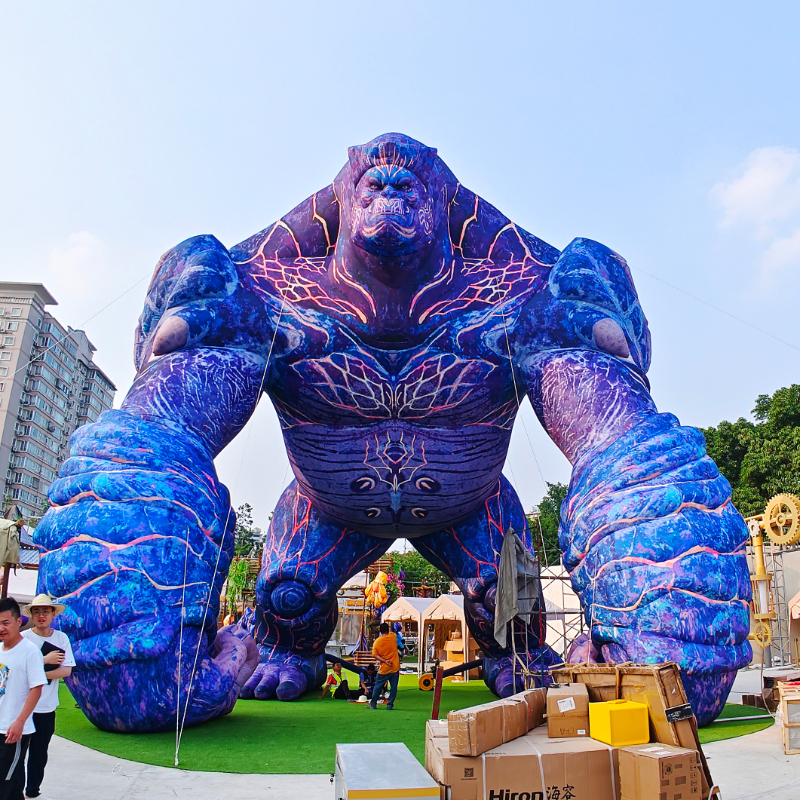
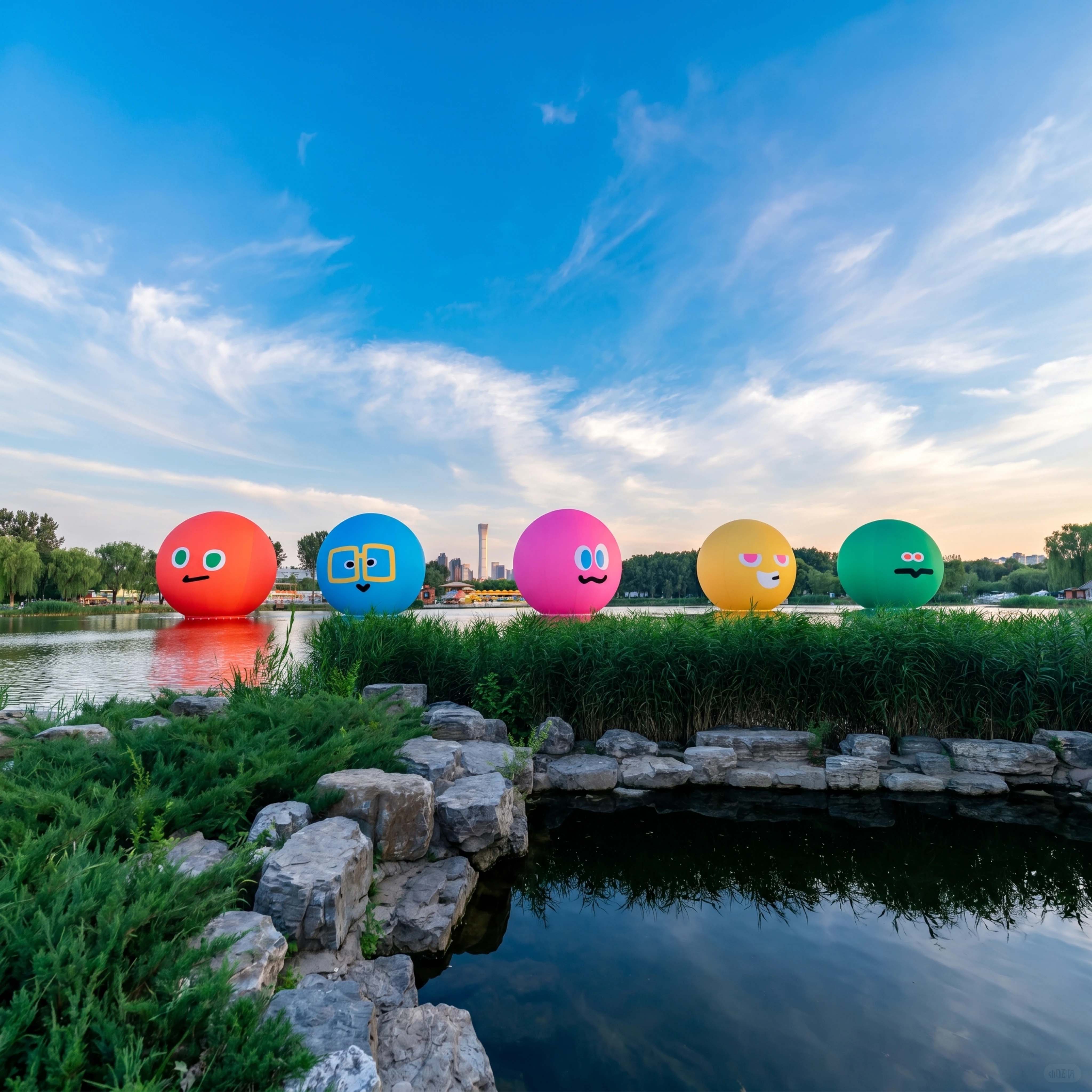
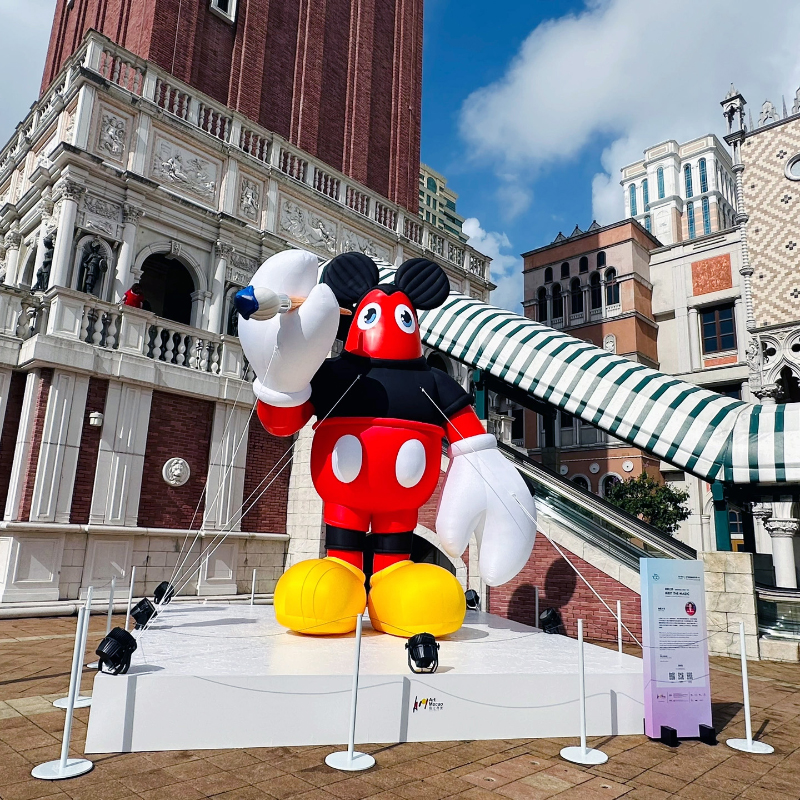
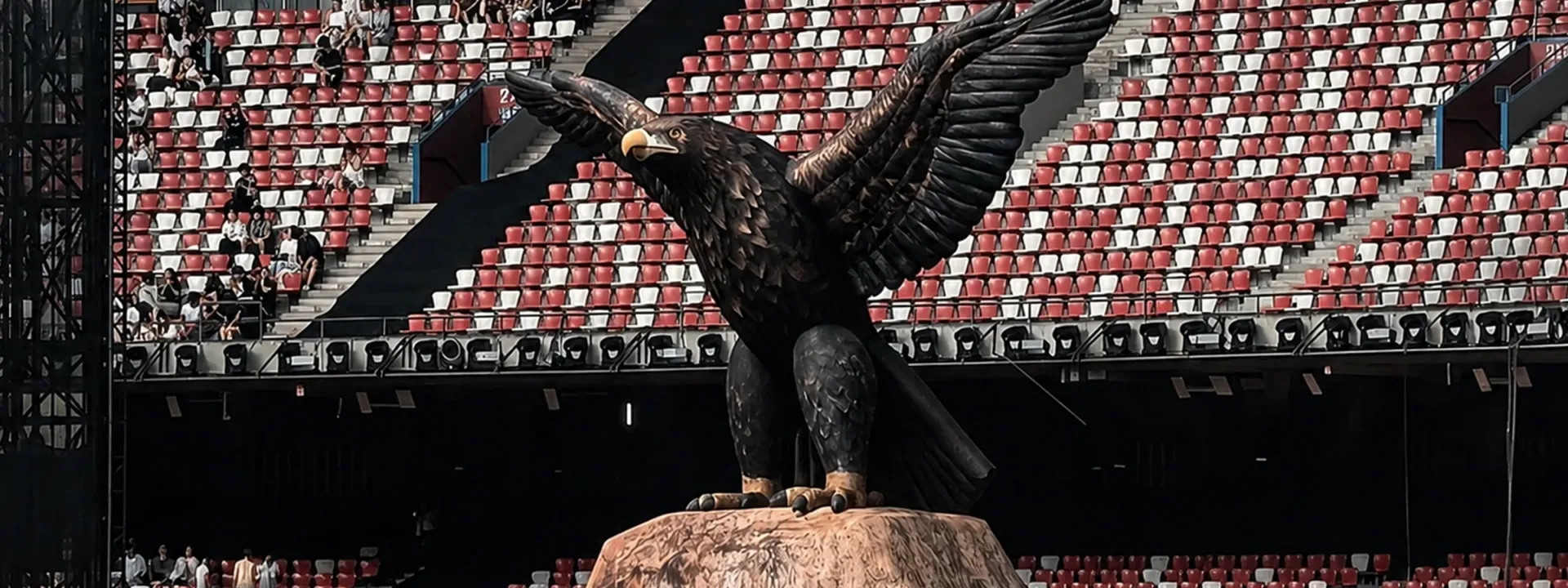
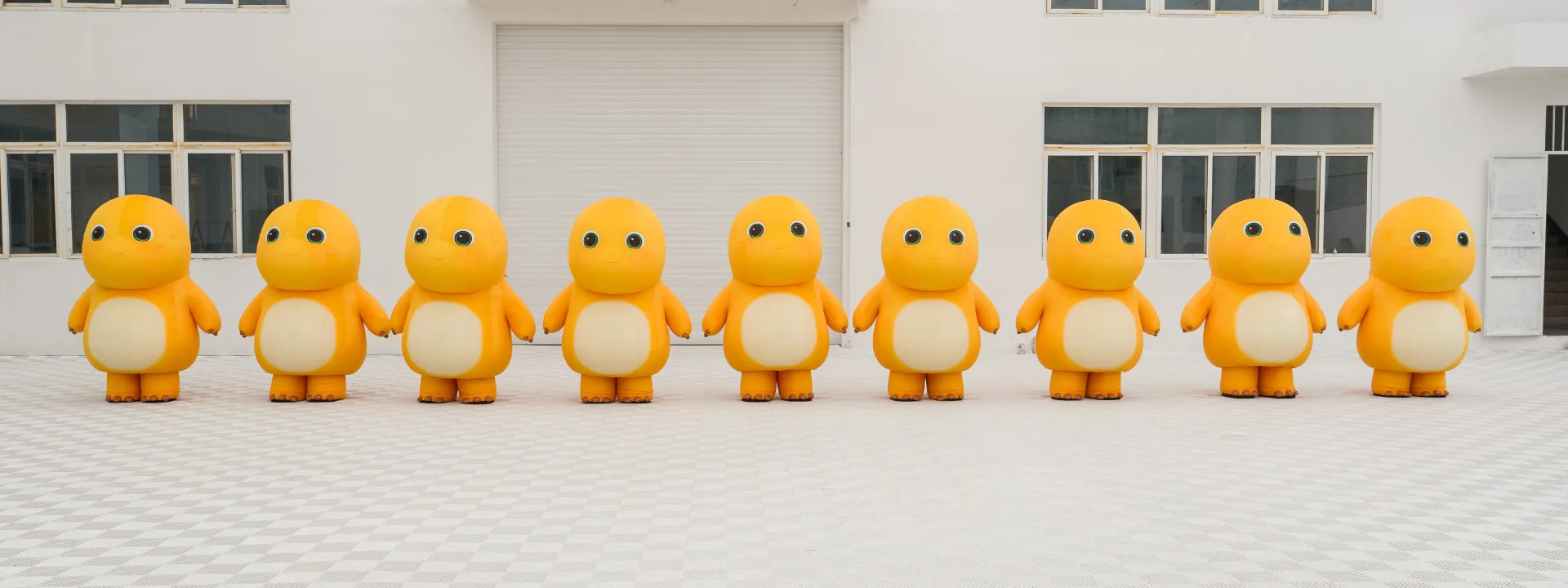
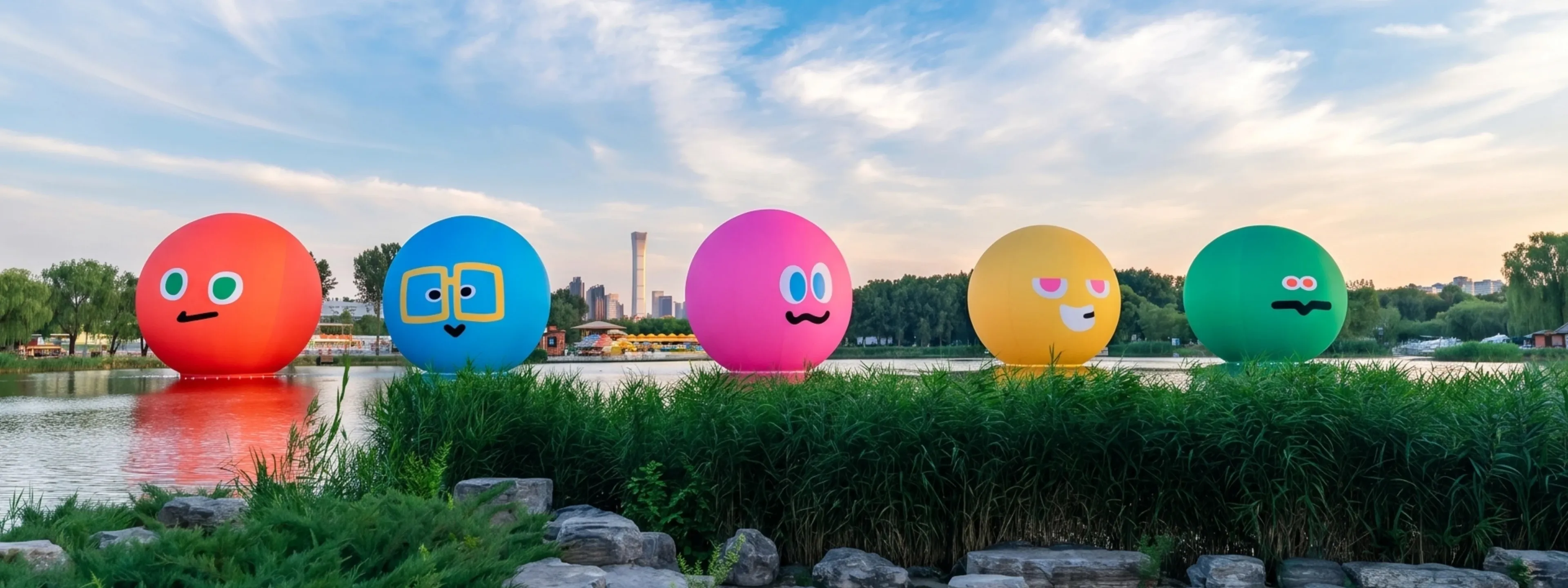
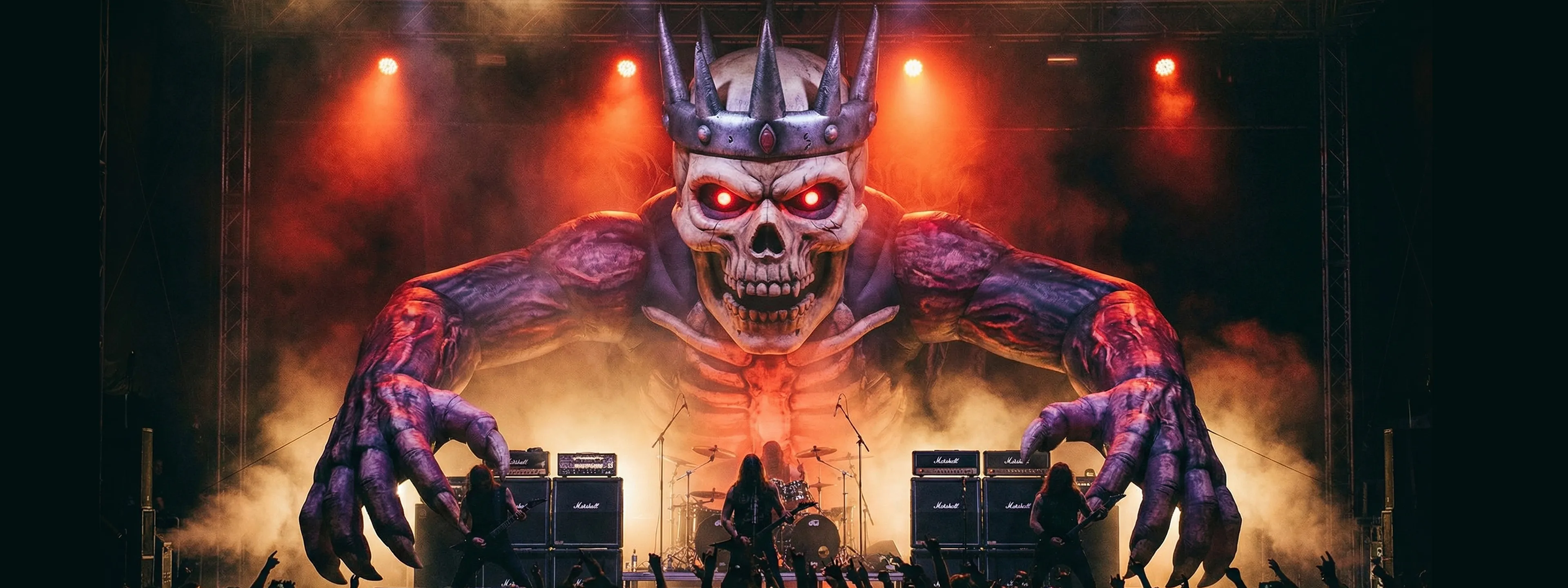
For this project, Wenzhou 360 Inflatable participated in the large-scale inflatable sculpture stage installation project for David Tao’s concert. Centering on David Tao’s personal artist image IP, it transformed an originally rather two-dimensional, flat visual concept into three-dimensional inflatable art installations with real spatial volume. Five groups of large-scale character inflatable sculptures were distributed across different areas of the stage and, under the combined effect of lighting, smoke, and live visual effects, created highly impactful stage imagery.
For the concert organizer, this was not merely a large-scale inflatable production task, but a comprehensive test involving IP fidelity, stage integration, visual effects, and on-site execution.
This is also the kind of challenge that 360 Inflatable has long been adept at solving when serving large-scale commercial events, performing arts projects, and IP visual installations.
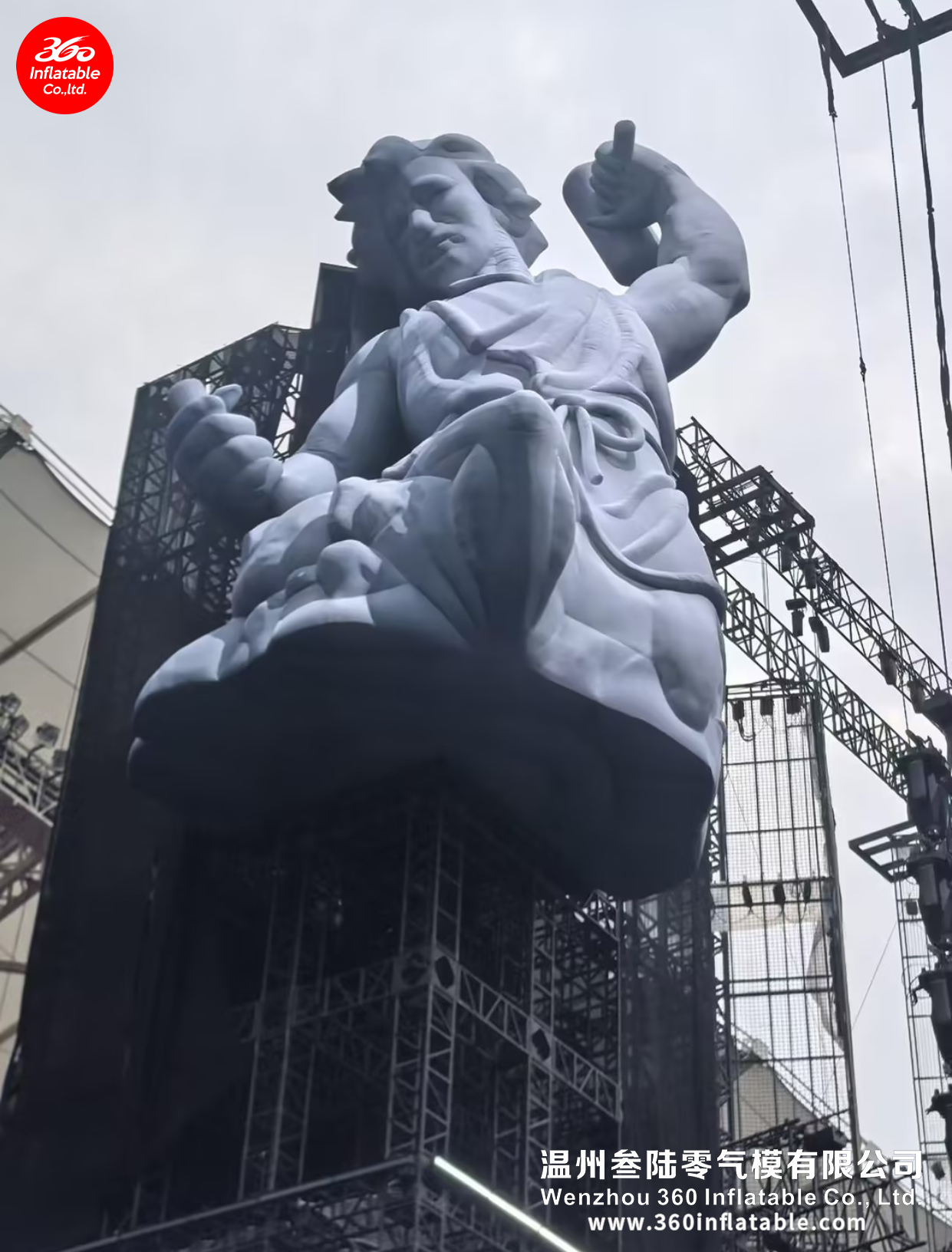
I. From Artist IP to Stage Installation: Making the Character Image Truly “Stand Up”
The core IP of this project was David Tao’s personal artist image IP, with the IP rights owned by David Tao himself and his management company.
Unlike ordinary cartoon inflatables or simple brand-logo inflatables, artist-image inflatable sculptures place higher demands on the fidelity of the character’s proportions, pose, silhouette, and overall aura.
Especially at a large concert venue, an inflatable sculpture is not an independent product but part of the stage’s overall visual system.
It must not only meet the artist’s and project party’s requirements for visual image, but also form a coordinated relationship with the stage structure, lighting, screen content, and audience sightlines.
Therefore, the real problem the project needed to solve was not “turning the character into an inflatable,” but:
How to turn a two-dimensional character visual image into an art installation with genuine spatial volume and visual presence on a large stage.
This was also the direction Wenzhou 360 Inflatable focused on in the early stage of the project.
From the visual expression of the character, to the transformation into a three-dimensional structure, and finally to the overall pose after inflation, the entire production logic revolved around “stage presentation,” allowing the inflatable to retain the character’s image characteristics while possessing the sense of volume expected of a large stage installation.

II. The Client’s Real Challenge: Not Just Making It, but Making It Look Good On Site
One of the biggest differences between a large concert and an ordinary commercial event is that the on-site environment is complex, viewing distances are greater, and visual standards are higher. An inflatable that looks proportionally accurate up close may, once placed on a large stage, suffer from problems such as an insufficiently prominent character silhouette, insufficiently dynamic pose, or insufficient layering under lighting.
This is especially true for artist-image projects. David Tao’s personal image itself has strong recognizability, and audiences have an intuitive understanding of the character’s movements, silhouette, and overall aura. Therefore, the real problem the project needed to solve was not “turning the character into an inflatable,” but how to turn a two-dimensional character visual image into an art installation with genuine spatial volume and visual presence on a large stage.
1. Keeping the Artist IP Recognizable at an Oversized Scale
During production, 360 did not simply enlarge flat materials directly. Instead, it deconstructed and reconstructed them according to the three-dimensional structural logic of large inflatables, so that the character image still retained complete visual characteristics after enlargement. When viewing from a distance, the audience may not notice a particular small detail, but the character’s overall pose, silhouette proportions, and movement characteristics must hold up.
2. Maintaining a Stable Form at an Oversized Volume
Once a character is enlarged to a ten-meter scale, the structural problems it faces are also magnified. The visual proportions of different parts—such as arms, legs, and body—need to be coordinated, and the overall state after inflation must also be stable. Therefore, the project could not only consider “whether it can inflate,” but also “whether, after inflation, it can maintain the pose intended in the design.” Through internal structural design, air duct planning, and control of force relationships, 360 enabled the large character to form a relatively complete three-dimensional silhouette after inflation and to maintain the action state of the design stage as much as possible.
3. Adapting to the Complex Lighting Environment of a Concert
A concert site is different from an ordinary daytime commercial event. Strong lighting, LED screens, follow spots, and smoke all exist simultaneously, and the visual effect of the inflatable surface changes with the lighting. Therefore, the product not only had to “look alike” in a static environment, but also had to maintain layering and three-dimensionality under nighttime stage lighting.

III. From Graphic Design to Three-Dimensional Structure: What Inflatable Production Really Tests Is “Secondary Creation Capability”
One of the most interesting aspects of large character inflatables is that they actually undergo a “re-creation” from two dimensions to three dimensions. A character in a design draft only needs to consider silhouette and visual effect on a flat surface; once it becomes a large inflatable sculpture, it must answer anew: How should the shoulders bulge? How should the arms form a natural curve? How can the character’s action be maintained through the inflatable structure? Does the character still hold up when viewed from the front, the side, and from a distance?
So inflatable production is not simply “enlarging an image”; it is a process of redesigning a flat IP in spatial terms. 360’s value in this project is also reflected at this level: combining the artist’s visual image with large-scale inflatable structural craftsmanship, so that a character originally belonging to a flat visual system truly enters the three-dimensional space of a concert.

IV. Making Structure Serve the Stage: Blowers and Lighting Are the “Invisible” Backstage Support
For large concert inflatables, stable inflation is an important foundation for ensuring visual effects. The project’s technical records show that two 3000W external blowers were used for continuous air supply, providing stable air source support for the large inflatable sculptures. For the audience, the blowers almost never enter their line of sight; but for the production team, they are important backstage equipment that keeps the stage characters in a sustained state.
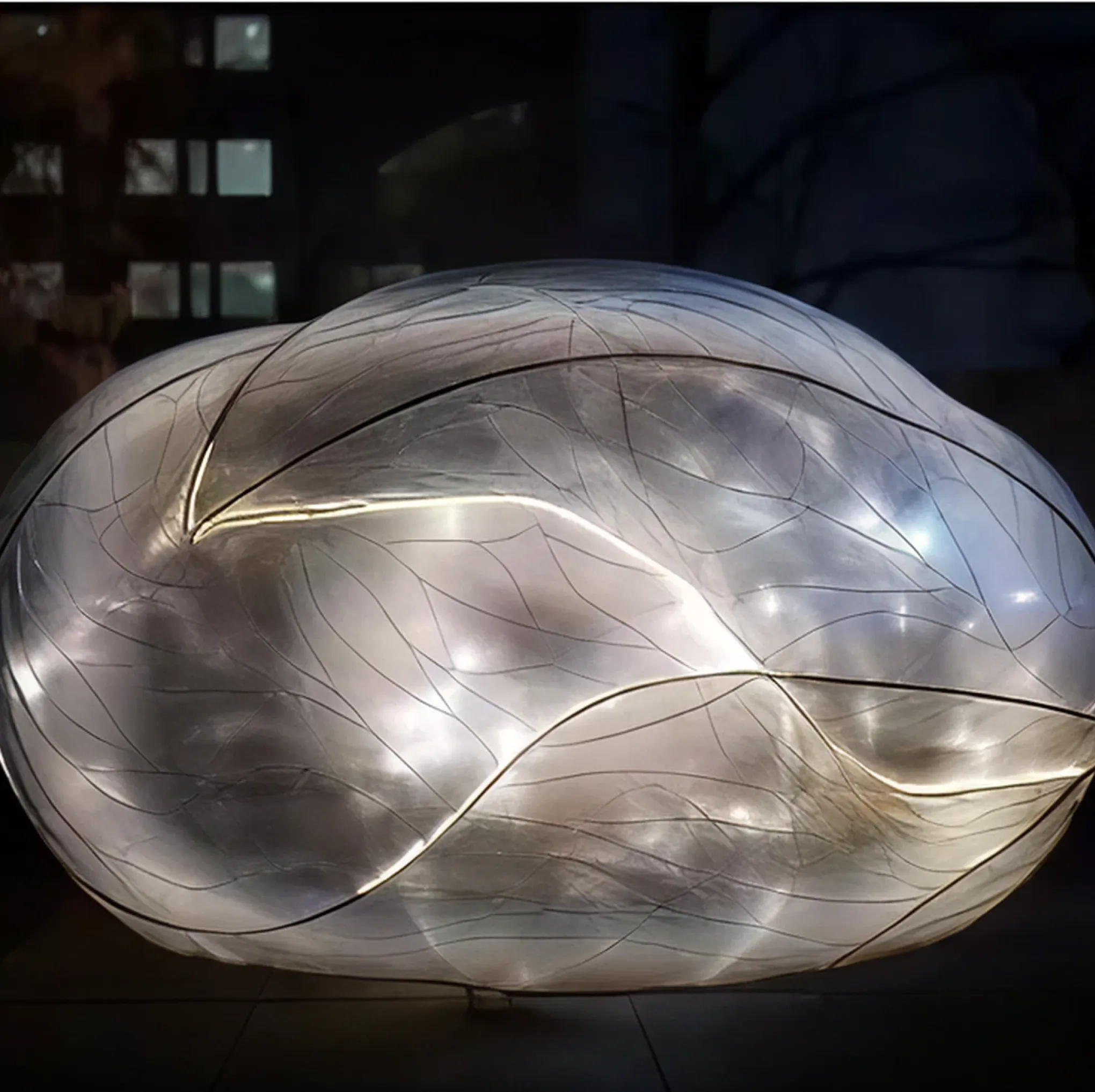
At the same time, the project was equipped with approximately 120 meters of light strips to strengthen the character silhouettes and stage atmosphere. Once the concert entered its formal performance state, the character inflatable sculptures, together with lighting, screens, and the overall stage structure, formed spatial layering, giving the static installations stronger stage expressiveness.
What the audience below the stage saw was a complete character sculpture, but behind this, blowers, structural design, lighting configuration, and the on-site execution team jointly maintained this “stability.”

V. What Is Really Interesting Is That Only After the Show Did the Audience Realize: These Were Actually “Inflatables”
After the project was officially implemented, some very interesting on-site feedback emerged. When recalling the concert, some fans asked in puzzlement: before the show began, there were clearly no such large character installations on the stage—so how did they suddenly “pop up” when the relevant segment arrived?
“There were none at the opening—how did they suddenly appear?”
Some audience members also reported that while watching on site, they could not tell at all that these characters were inflatable; at first glance, they looked more like solid sculptures on the stage. Some even worried at the time whether such large “sculptures” placed on the stage would pose safety issues, only to later discover that they were actually large inflatable installations.
“You really couldn’t tell on site that they were inflatable—I thought they were sculptures.”
It was not until after the concert, when people saw related project content online, that they learned the characters that looked like large solid sculptures came from a professional inflatable company in Wenzhou—Wenzhou 360 Inflatable Co., Ltd.
For the production team, this “perception gap” is very interesting. People usually associate “inflatables” with cartoon characters, inflatable arches, or commercial event installations; but when an inflatable truly enters a large concert stage and, under the combined effect of lighting, spatial scale, and overall visual effects, makes the live audience mistake it for a “sculpture” at first glance, it shows that the final visual state has broken out of the conventional impression of traditional inflatables.
What the audience saw was a sculptural quality, while what the production team considered was structure, air pressure, blowers, modeling, and on-site stability. The character installations that seemed to “suddenly appear” on stage had in fact gone through a complete process from design and structural deconstruction to production and final implementation.

VI. From “Able to Produce” to “Understanding Projects”: Becoming a Trusted Inflatable Partner for Clients
For the organizer of a large concert project, truly completing a project successfully is not just about delivering products on time. Artist IP projects involve visual fidelity, stage projects involve overall effects, and on-site implementation involves space, equipment, and performance rhythm. Therefore, what clients often need is not simply a factory that “can make inflatables,” but a professional partner that can truly understand project requirements, understand stage logic, and cooperate throughout the entire production process.
In this David Tao concert project, 360 completed five groups of large inflatable sculptures centered on David Tao’s personal artist image IP, and comprehensively considered the product’s modeling, volume, lighting, and continuous inflation needs in light of the concert stage environment. Judging from the final result, the inflatables not only met the production requirements of the products themselves, but also truly entered the stage visual system of the entire concert.
For project teams that already have experience working together, this kind of partnership means more efficient communication, clearer execution, and the ability for both sides to establish a more stable working rapport around the final stage effect. This is exactly the kind of relationship 360 hopes to establish: not simple product procurement, but starting from project needs to jointly bring visual creativity to life.