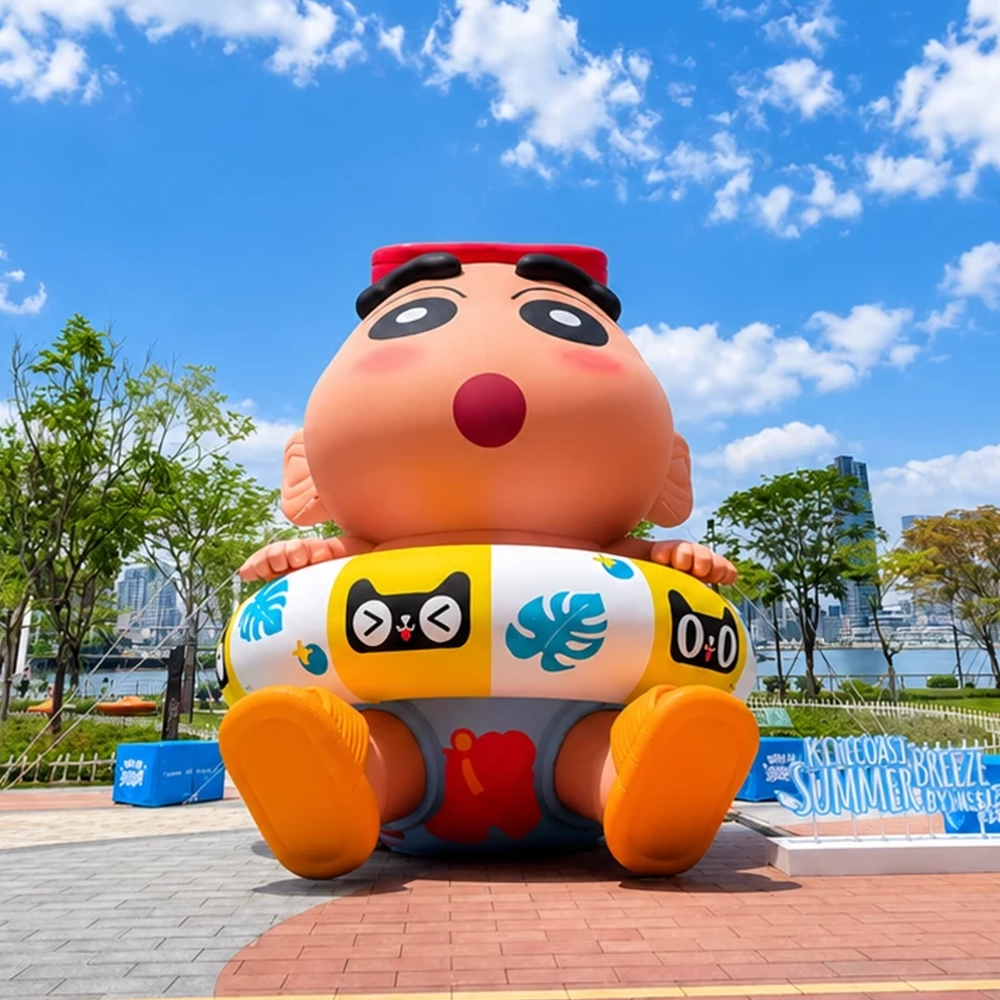
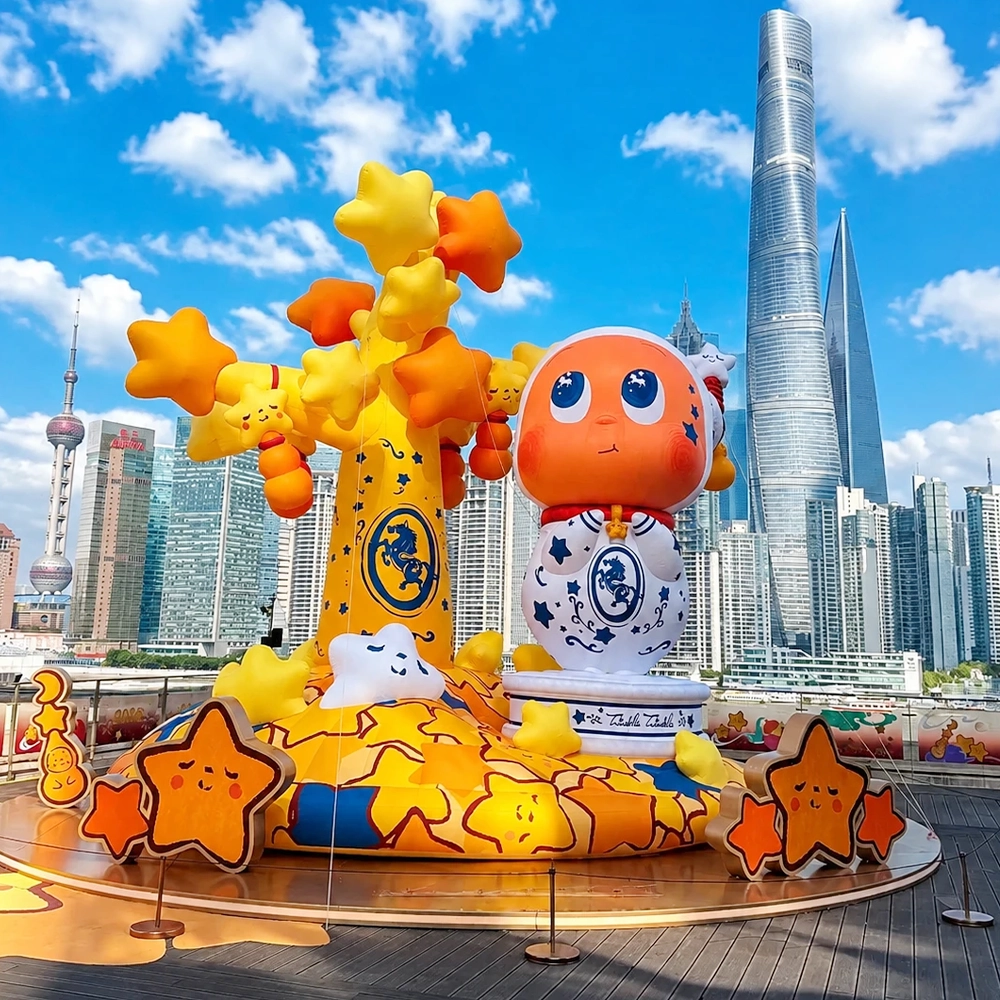
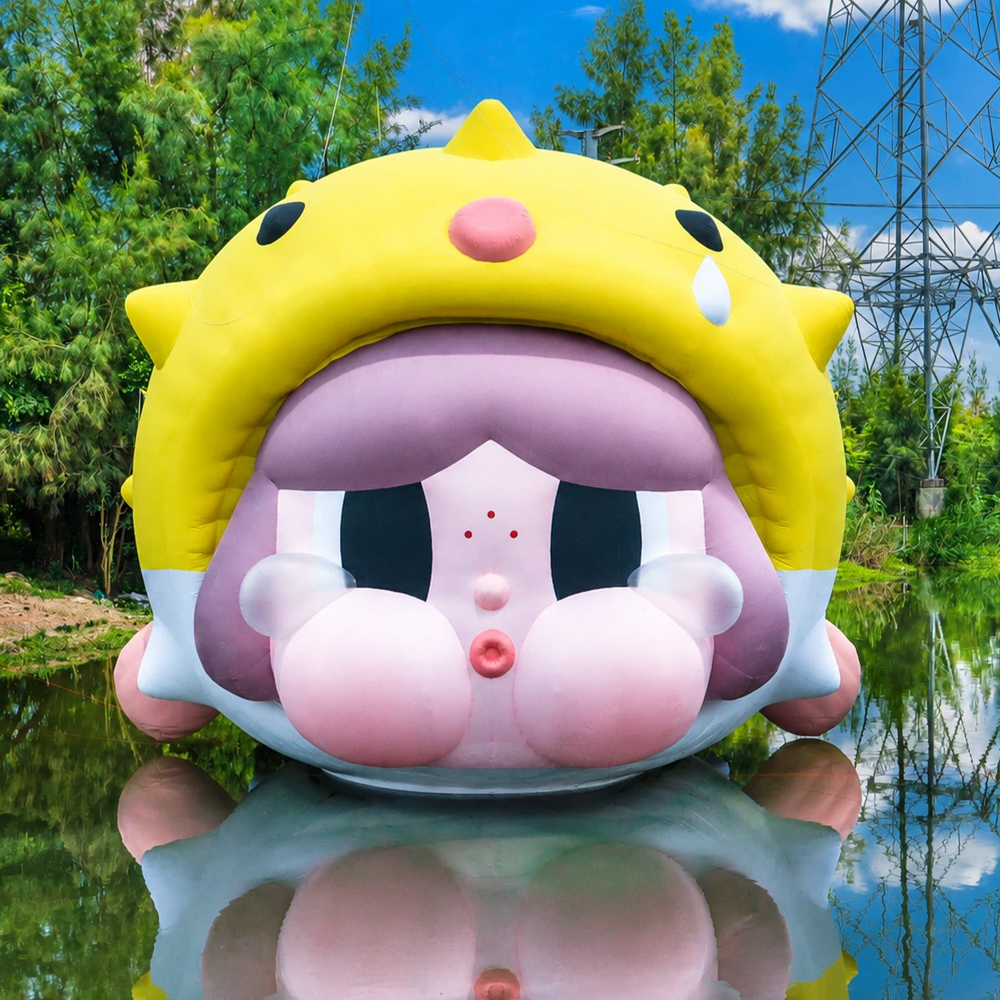
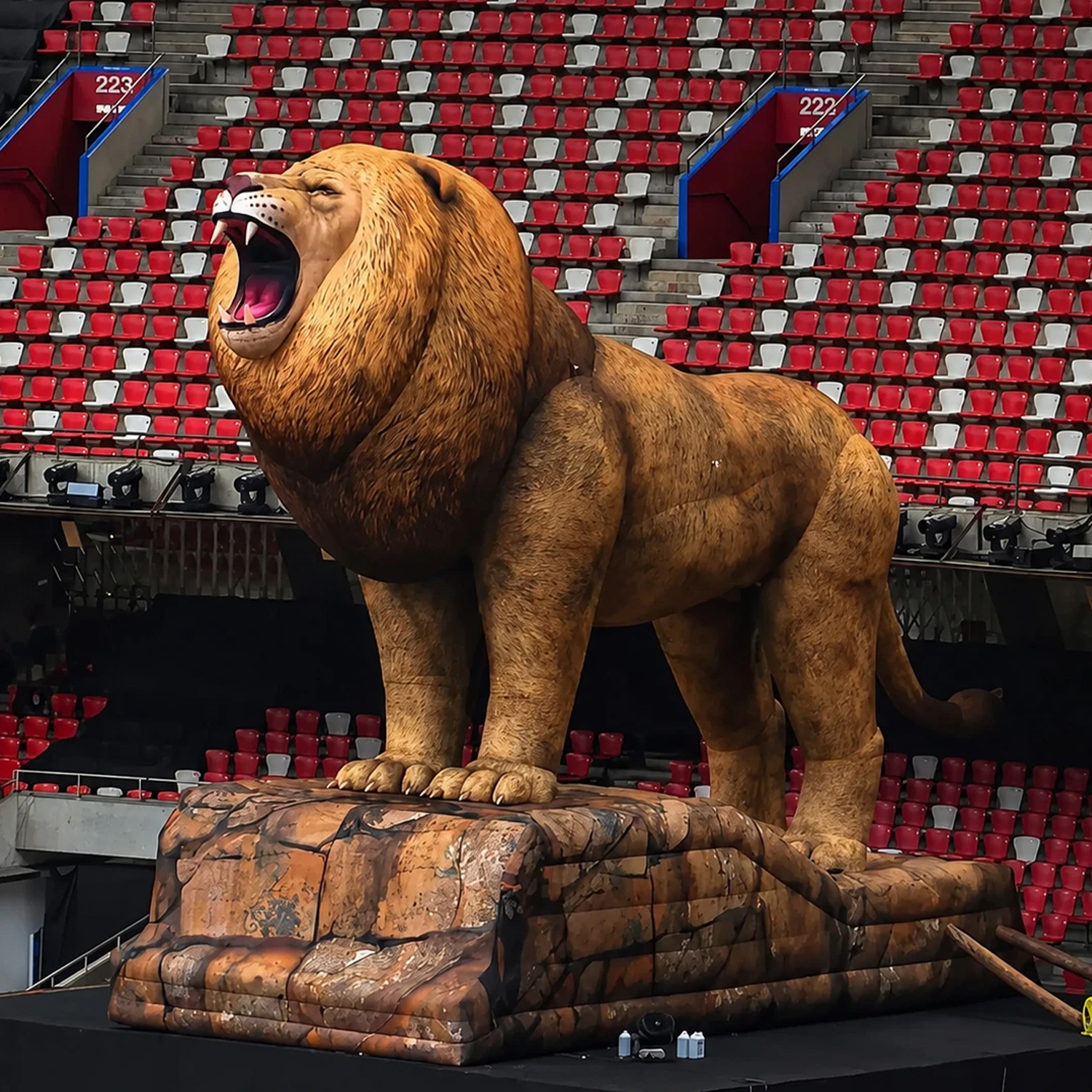
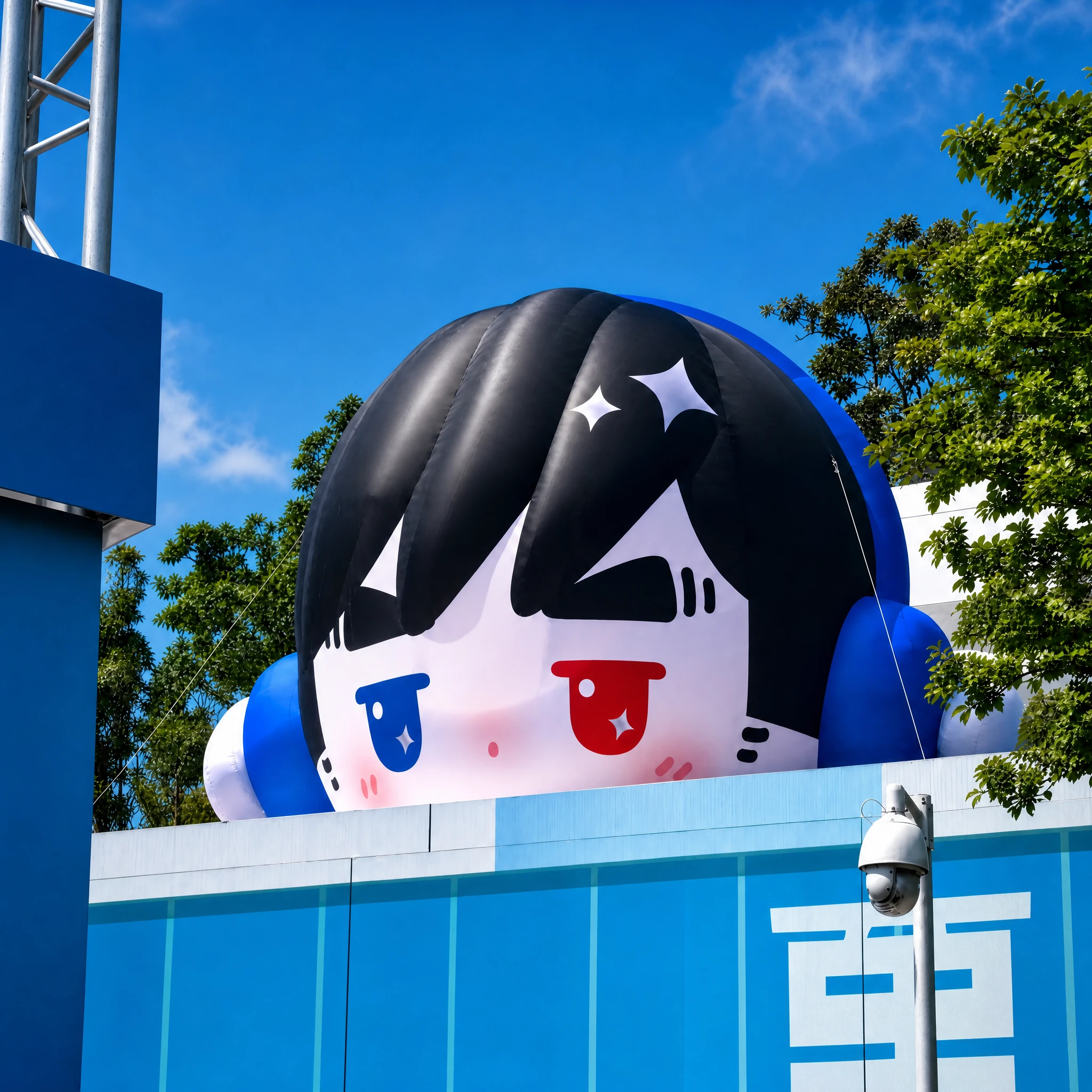
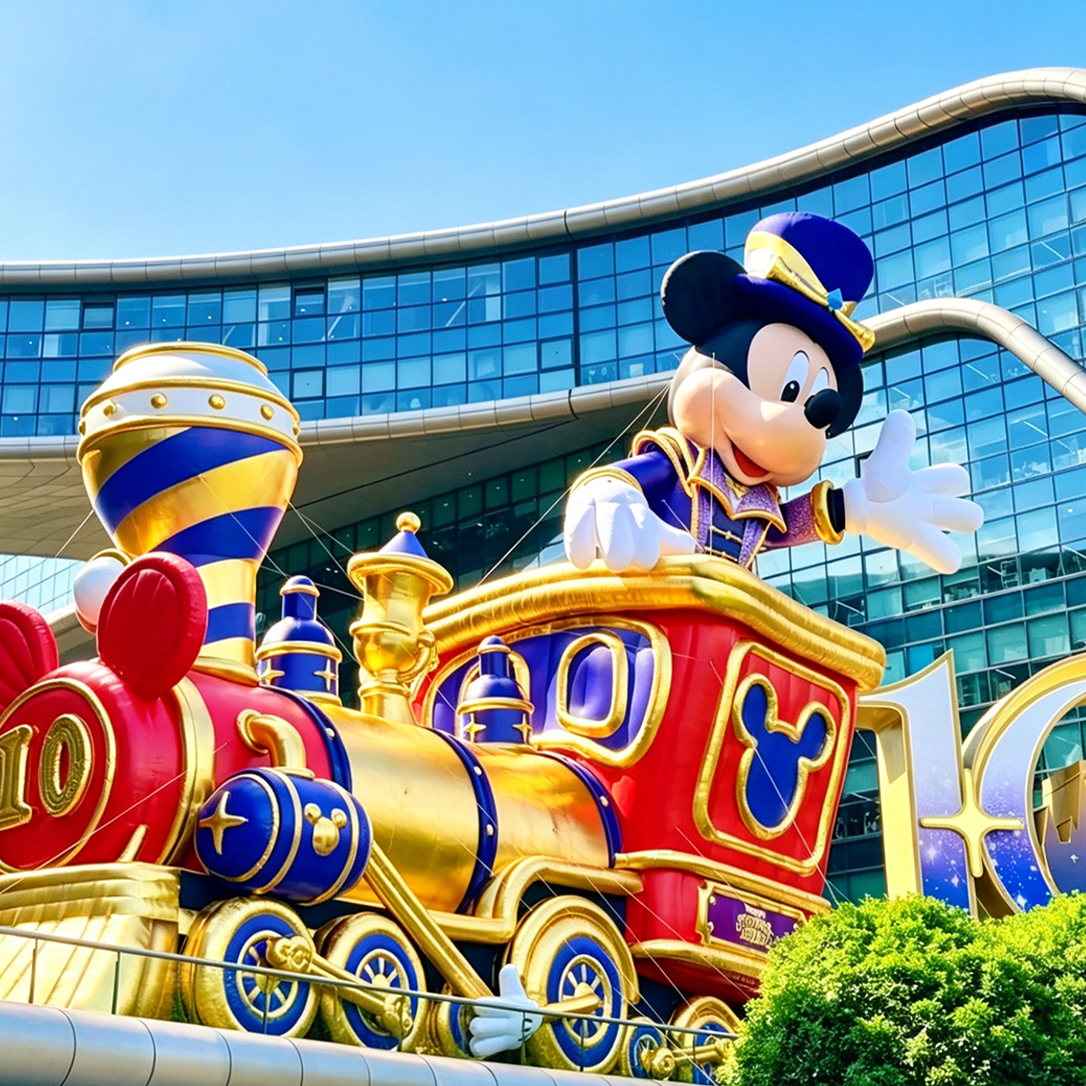
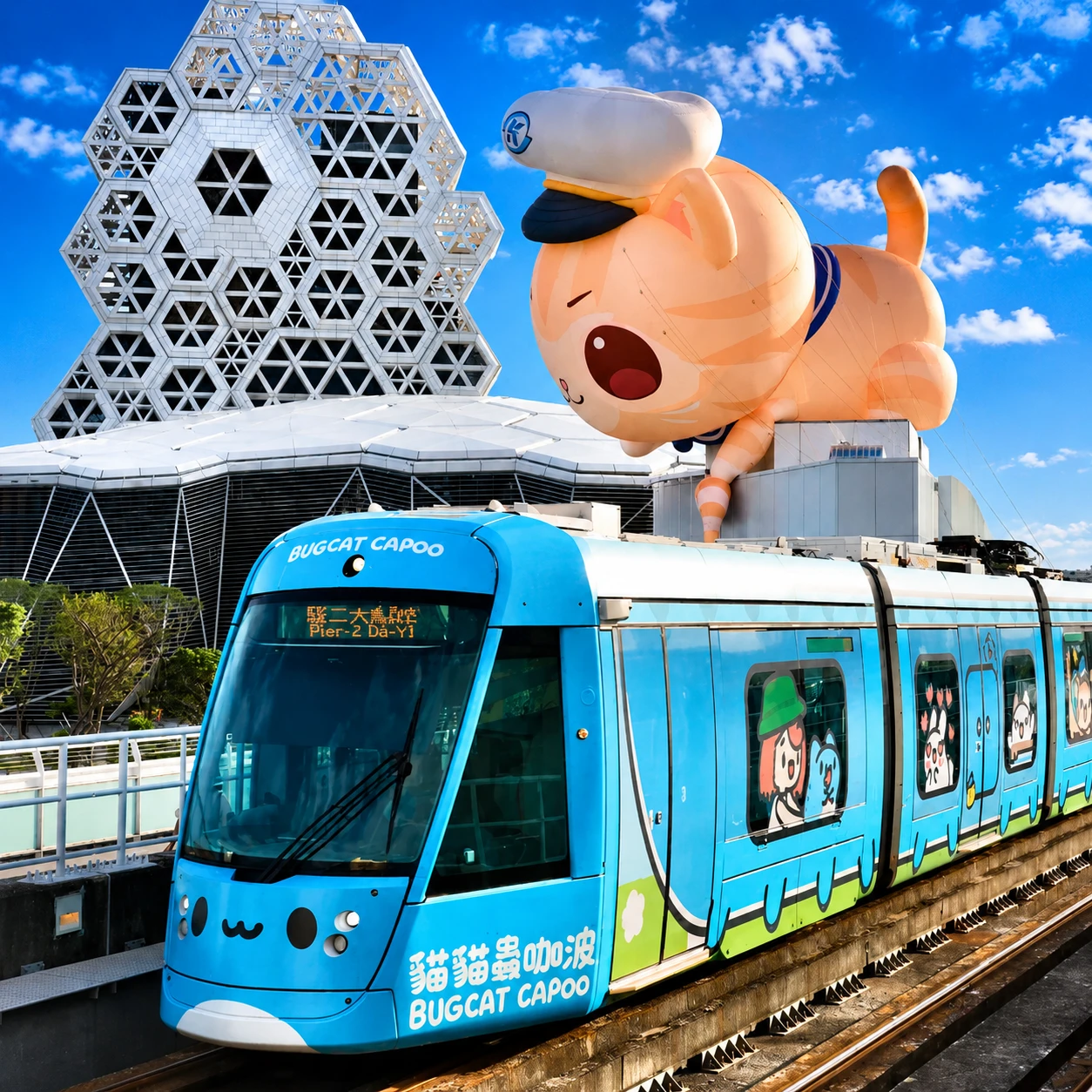
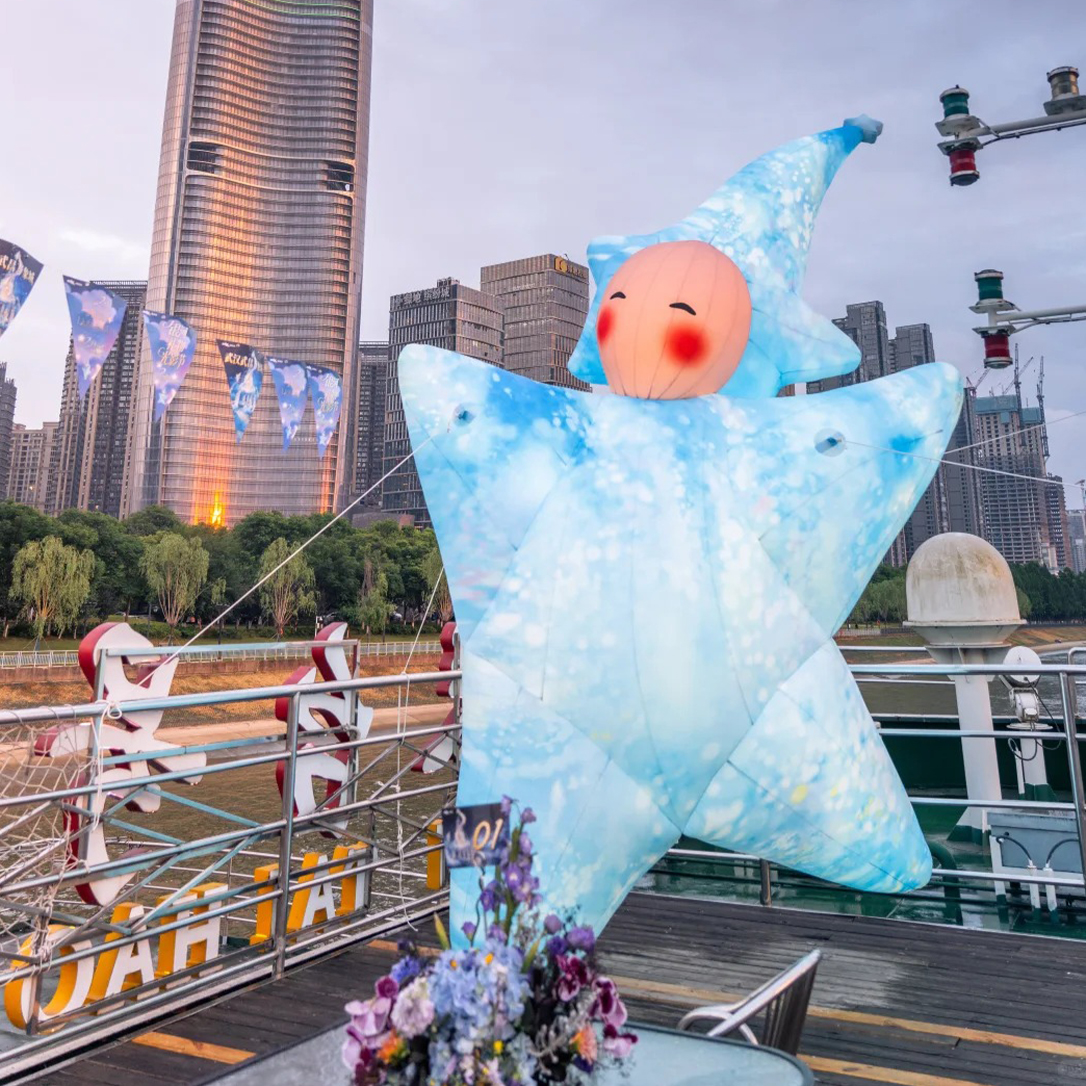
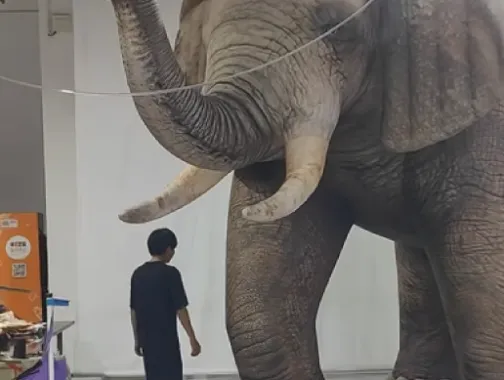
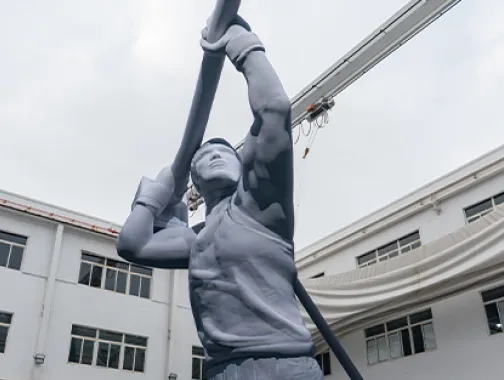
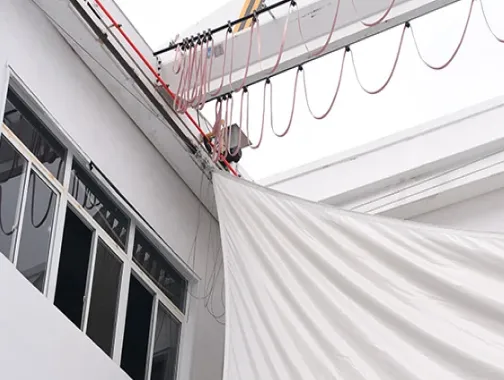
Large-Scale Inflatable Art Installation
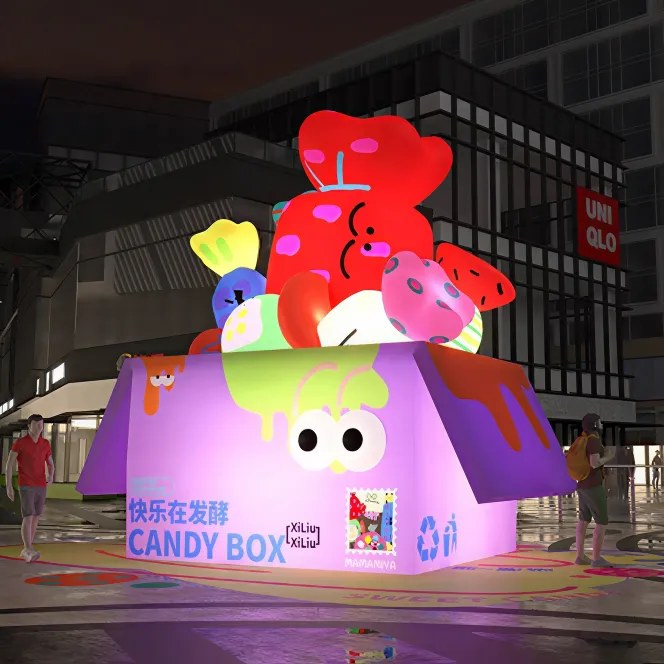

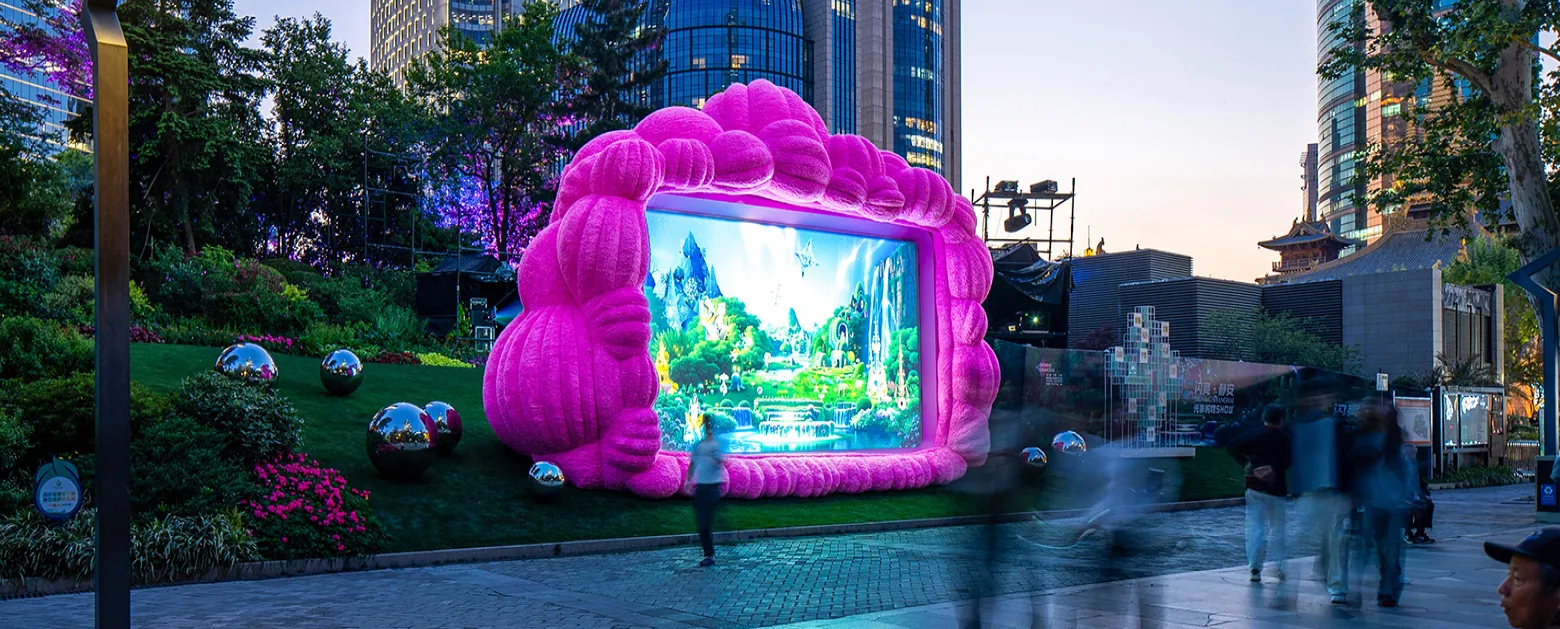
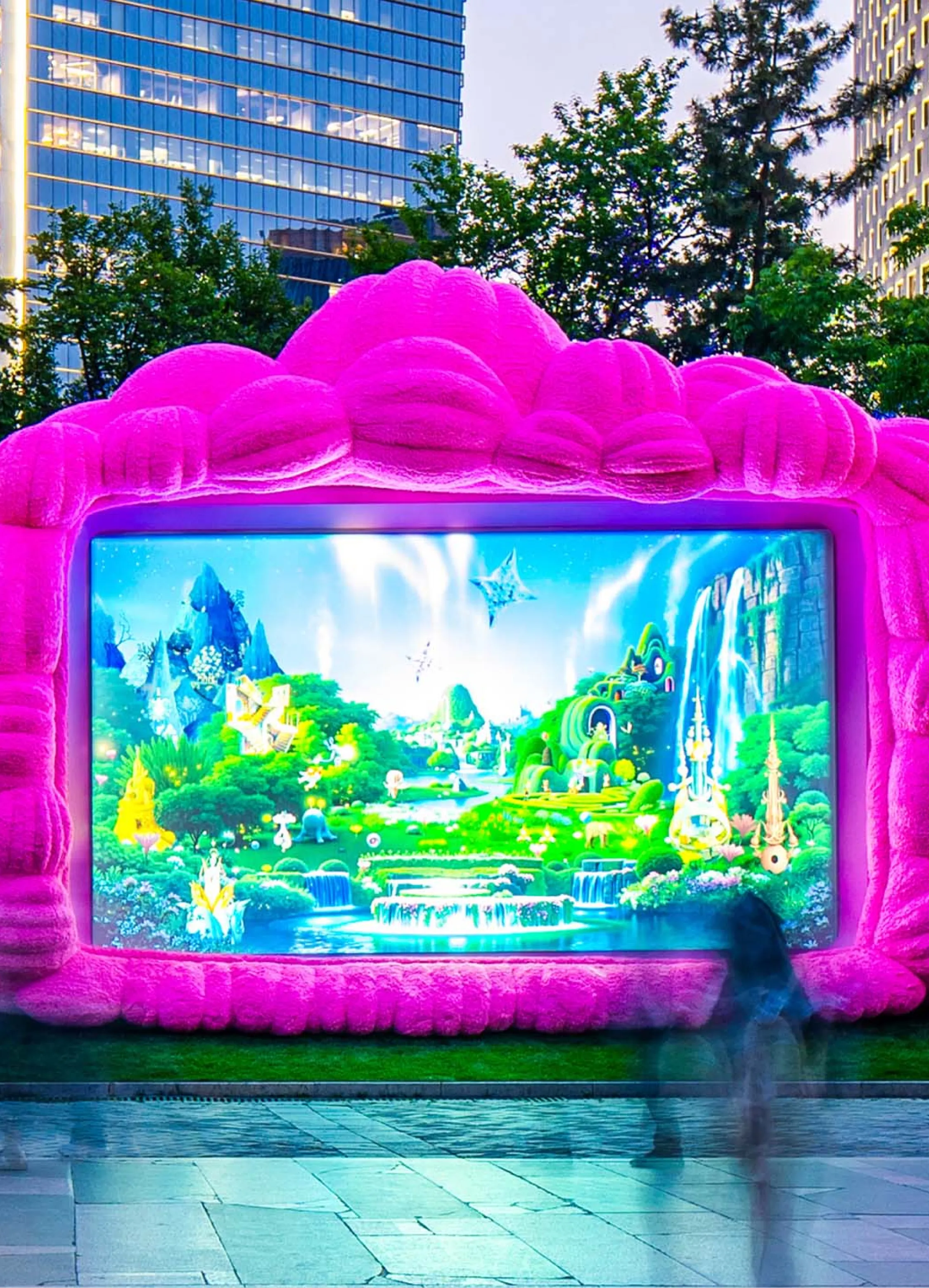
Inflatable art asks a material question before anything else: can fabric under air pressure hold the line, the curve, the texture that the concept demands? The answer depends on pattern engineering, material behavior under tension, and how a 3D form translates from screen to physical space at full scale. We work at that intersection — where artistic intent meets fabrication reality.
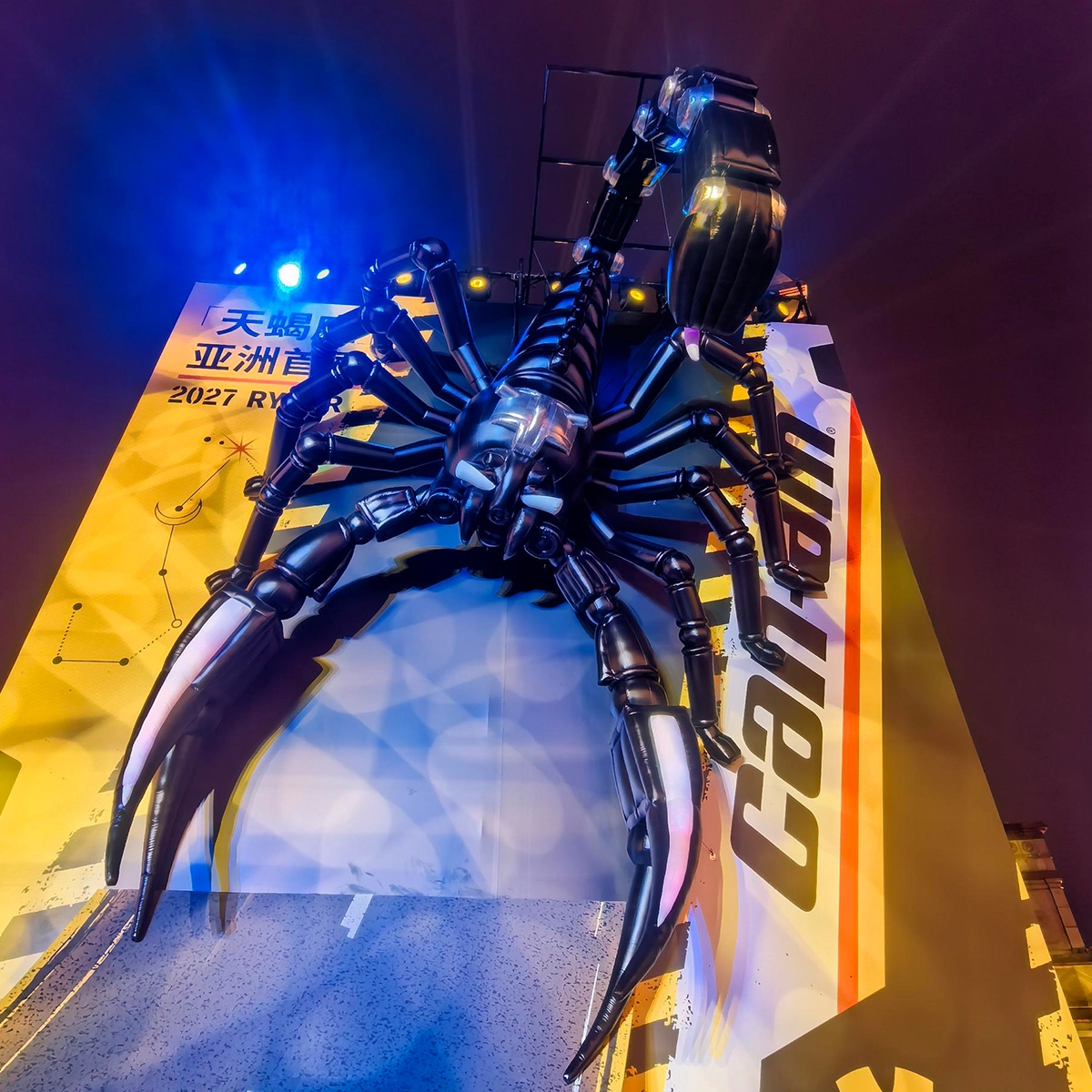
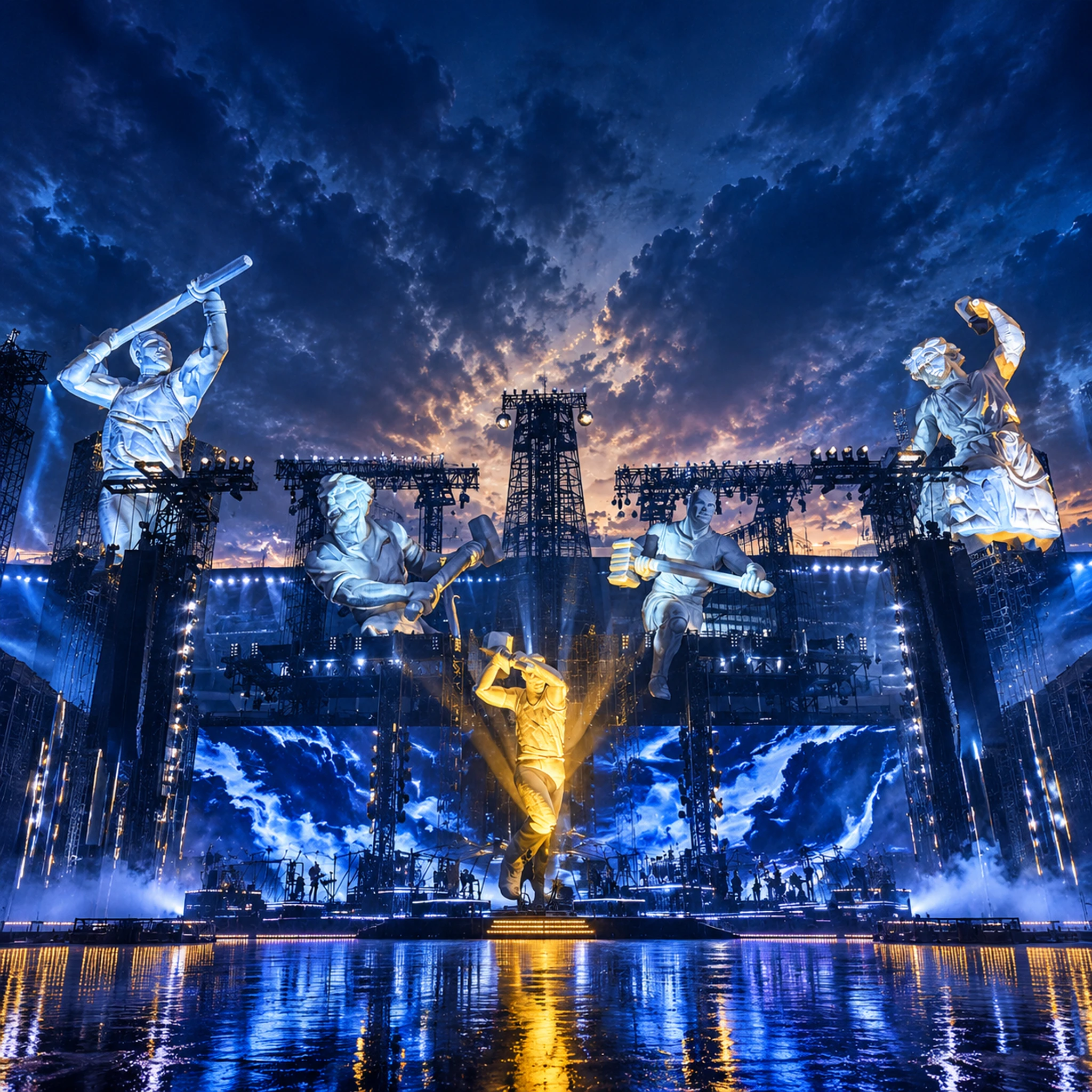
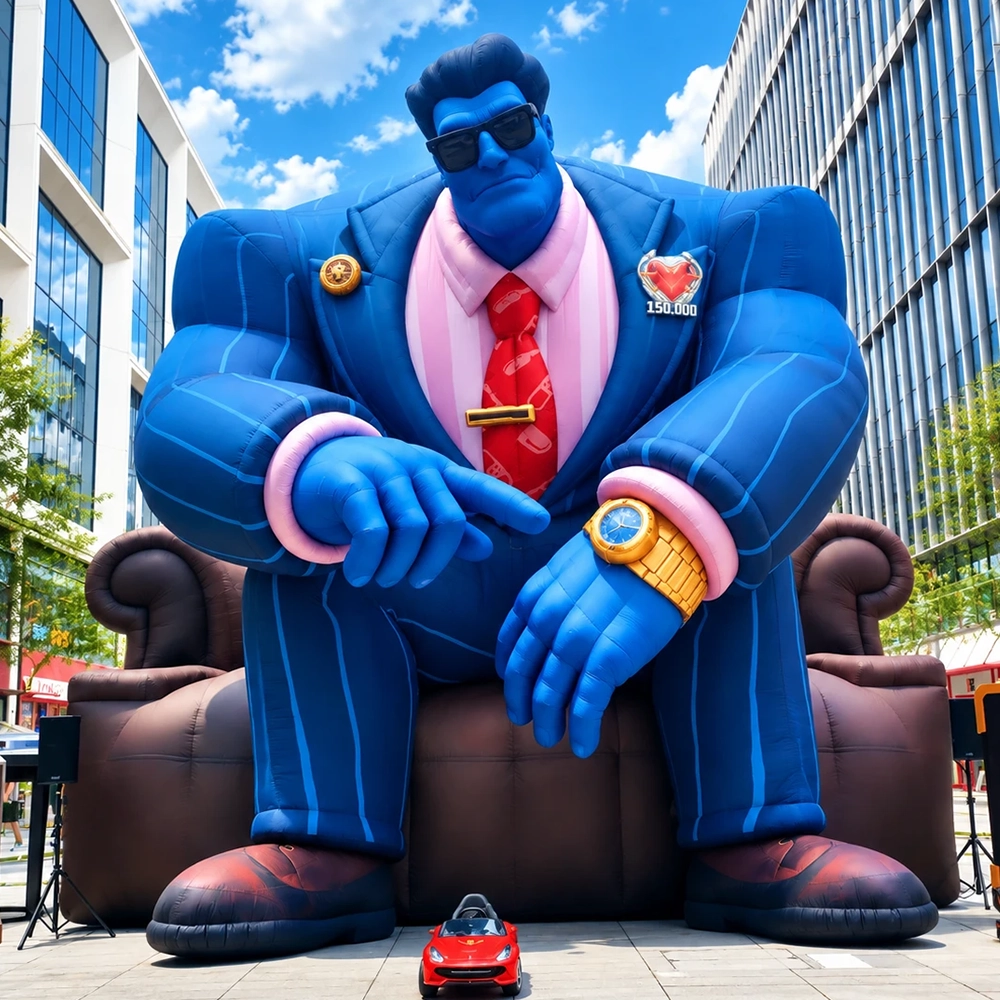
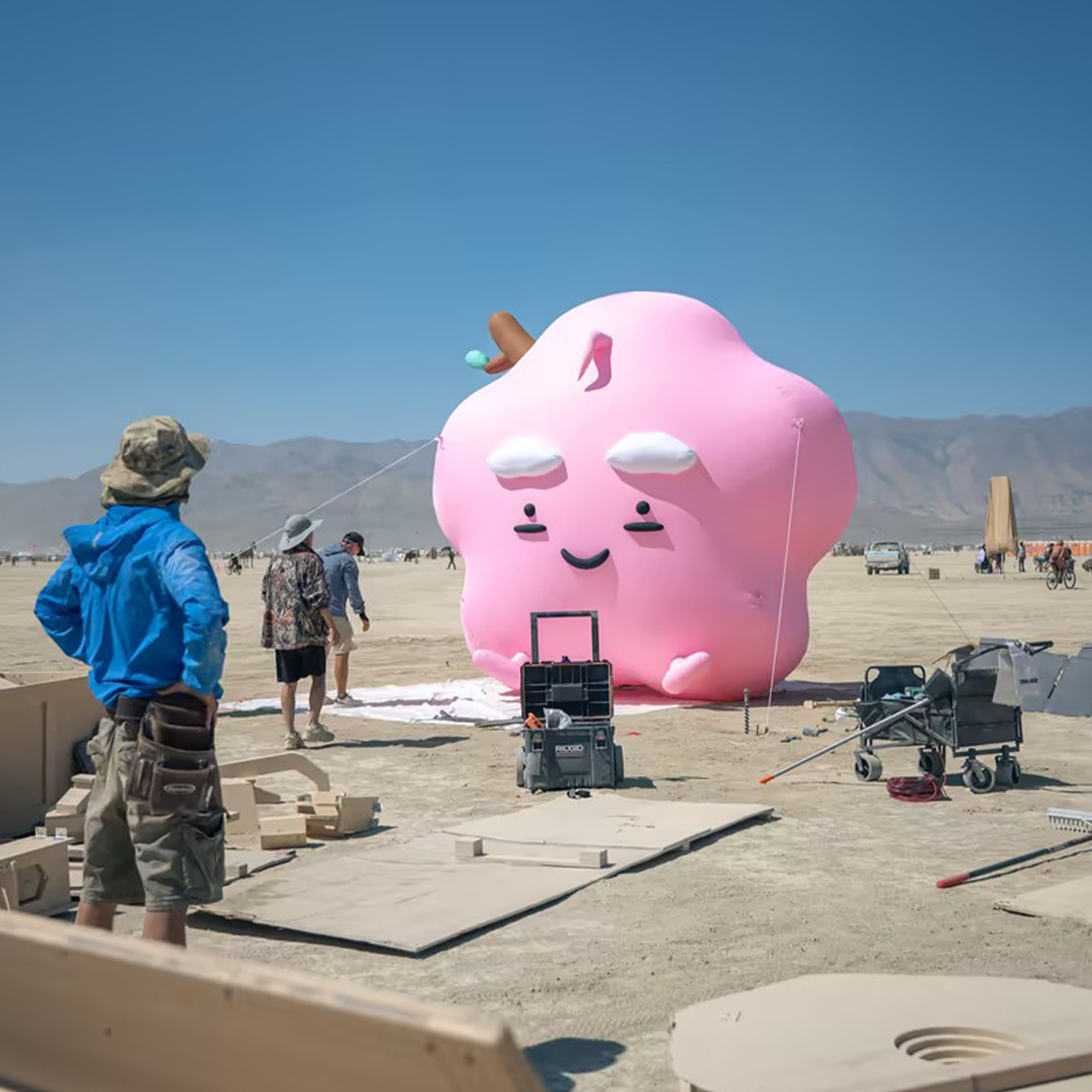
Since 2006, we have fabricated inflatable artworks and sculptures for contemporary art exhibitions, public installations, brand collaborations, city festivals, and immersive environments across 40+ countries. Artists, curators, creative directors, and brands bring concepts to our studio. We turn them into buildable, transportable, reusable inflatable structures — with the material precision and finish quality the art world expects.
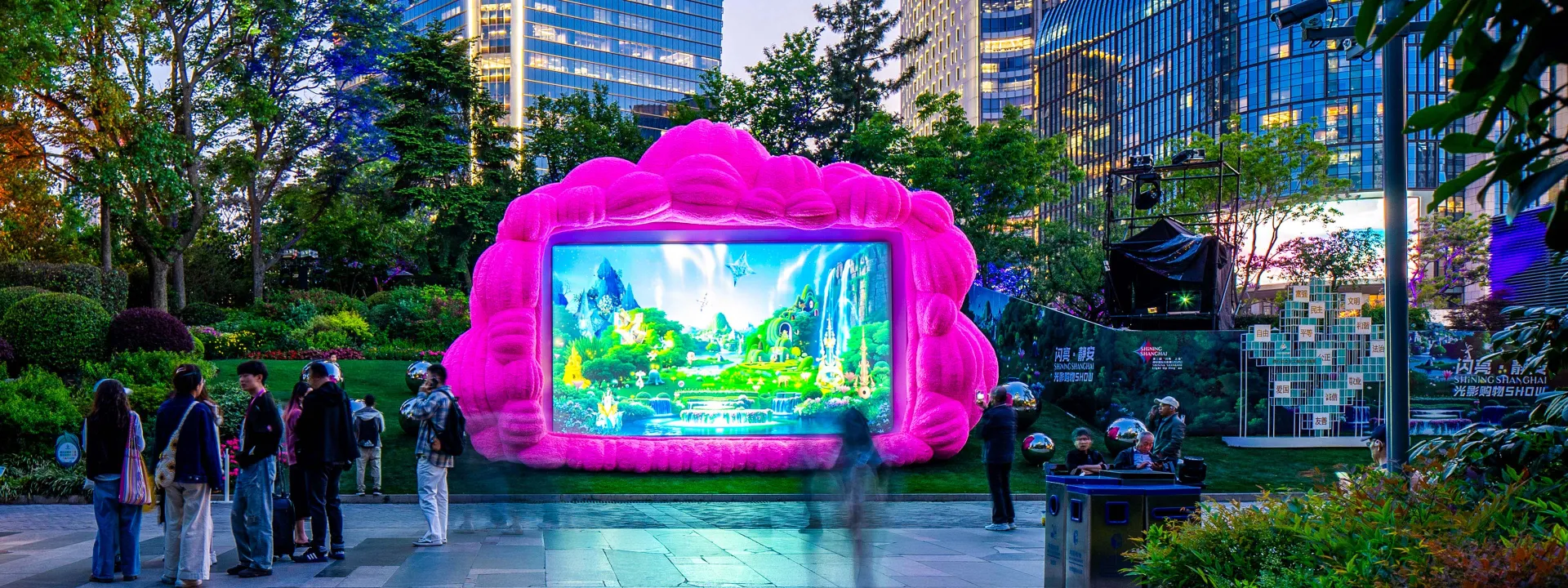
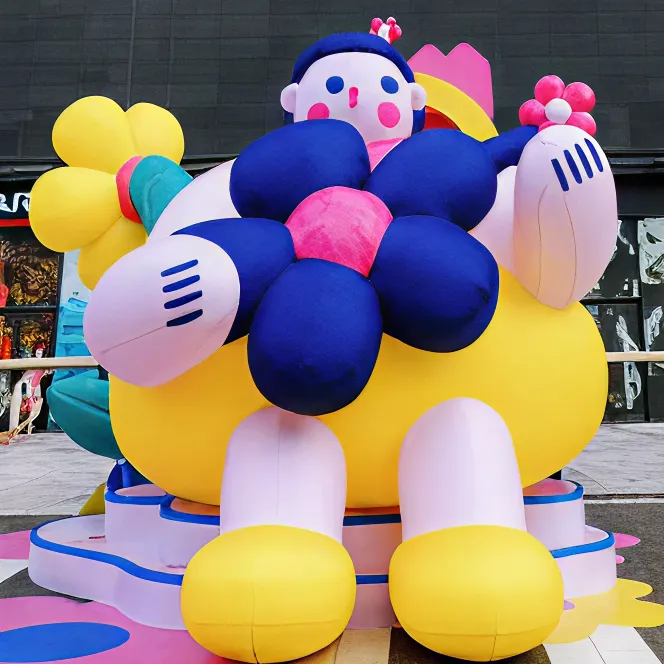
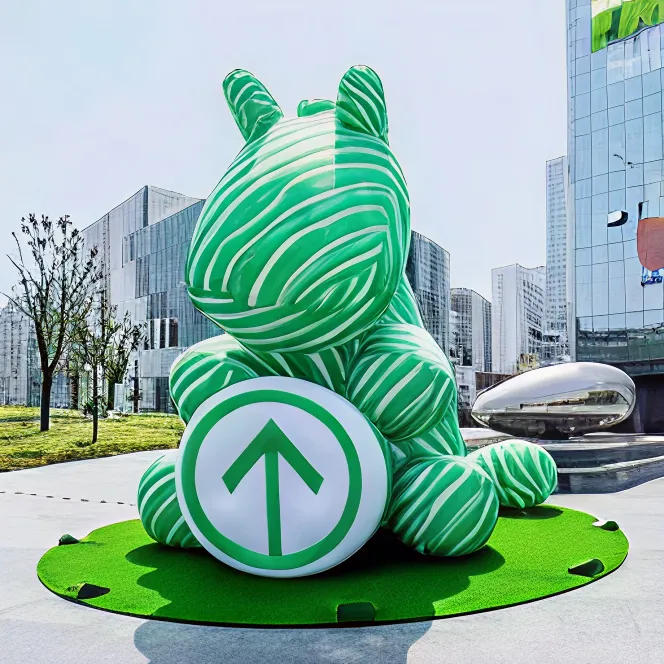
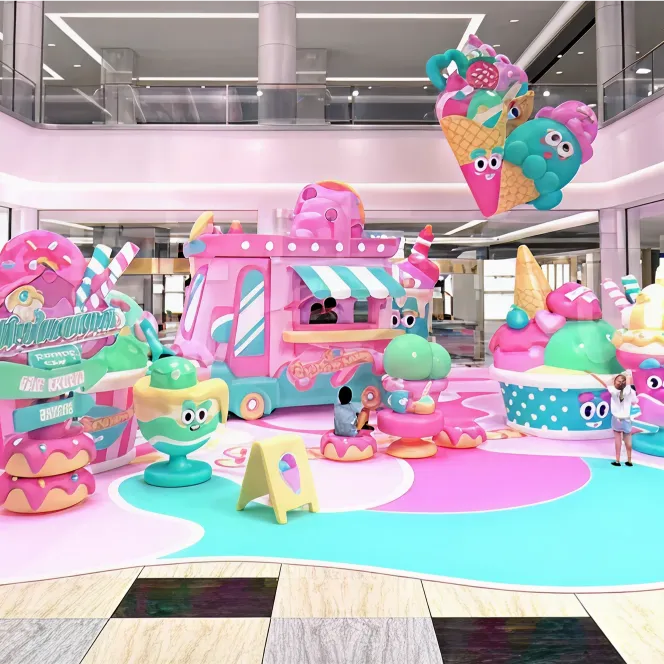
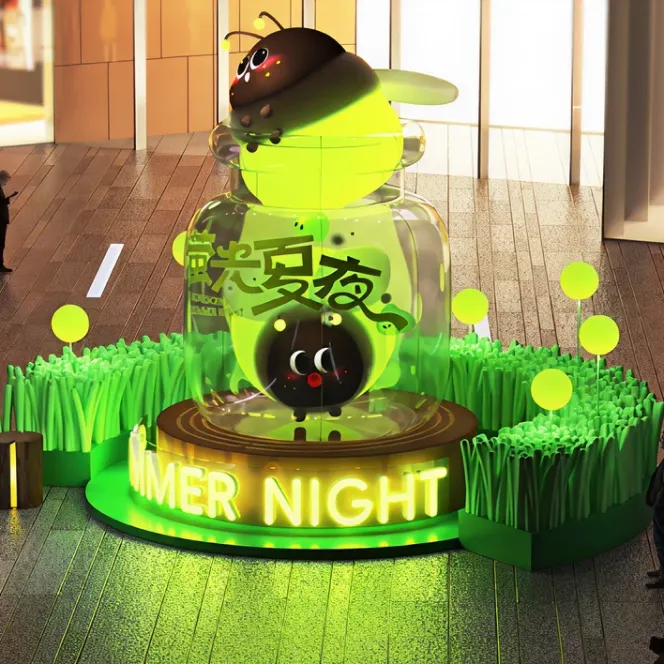
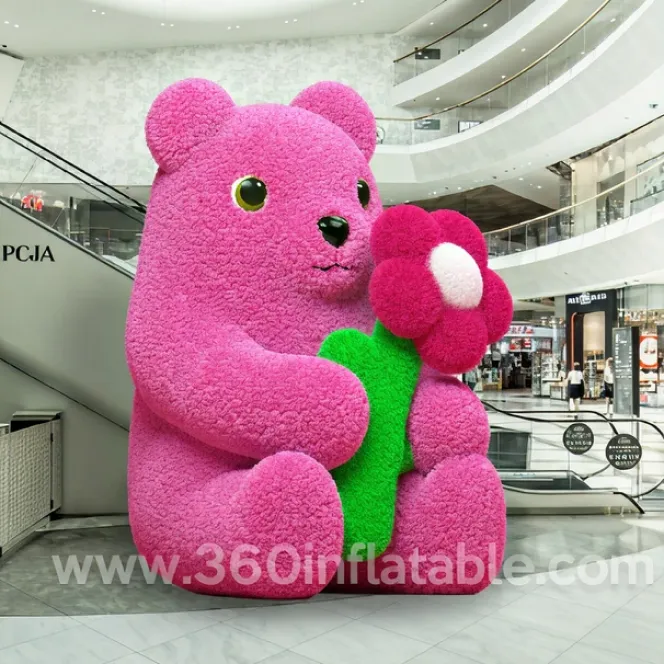
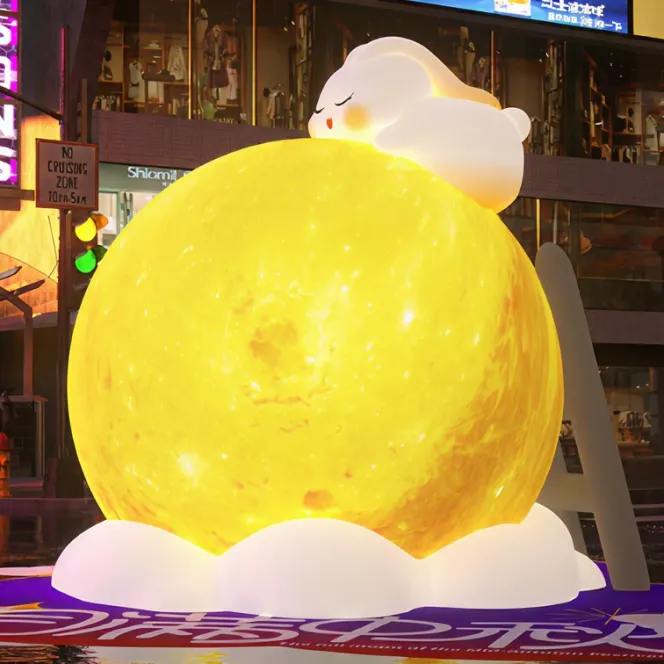
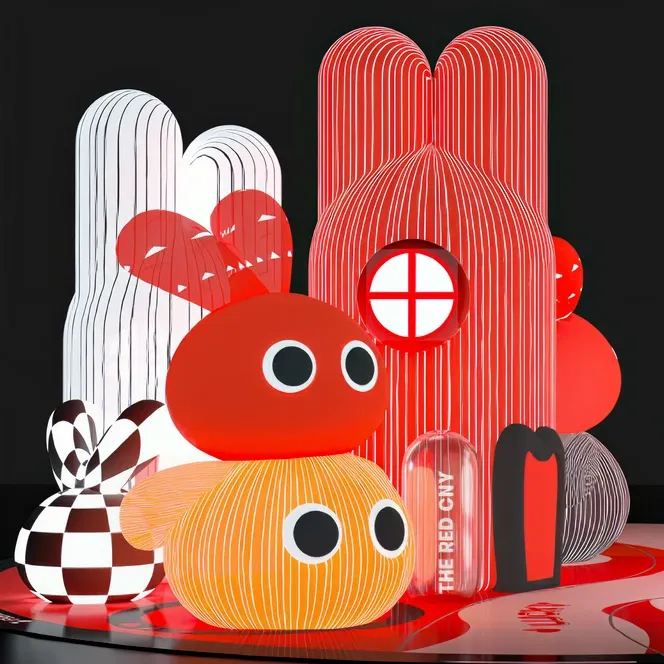
| Materials | Oxford fabric, PVC, stretch lycra, translucent PVC, mirror PVC, long plush, hand-painted nylon (selected per artistic brief) |
|---|---|
| Size Range | 0.5m – 40m+, any form factor — freestanding, suspended, floating, walk-through |
| Process | 3D modeling from artist reference, pattern engineering, digital or hand-finished surface, precision sewing |
| Stitching | Double-stitched structural seams; concealed or design-integrated seam lines per artistic direction |
| Inflation | Continuous-run blower or sealed air (helium-compatible), 110V / 220V |
| Wind Resistance | Up to 38 km/h with engineered anchoring; site-specific solutions for exposed locations |
| MOQ | 1 piece — every art project is a unique commission |
| Lead Time | 20 – 45 days depending on complexity, scale, and surface finish |
| Certification | CE, UL (fire-retardant materials standard) |
| Warranty | 12 months |
Inflatables carry a perception problem — bounce houses, advertising tubes, holiday yard decorations. Art-grade inflatable work starts by discarding all of that. The material is air-pressurized fabric. What matters is what the artist does with it: how form holds under tension, how surface reads at scale, how the piece occupies space. We build for artists who treat inflatables as sculpture, not novelty.
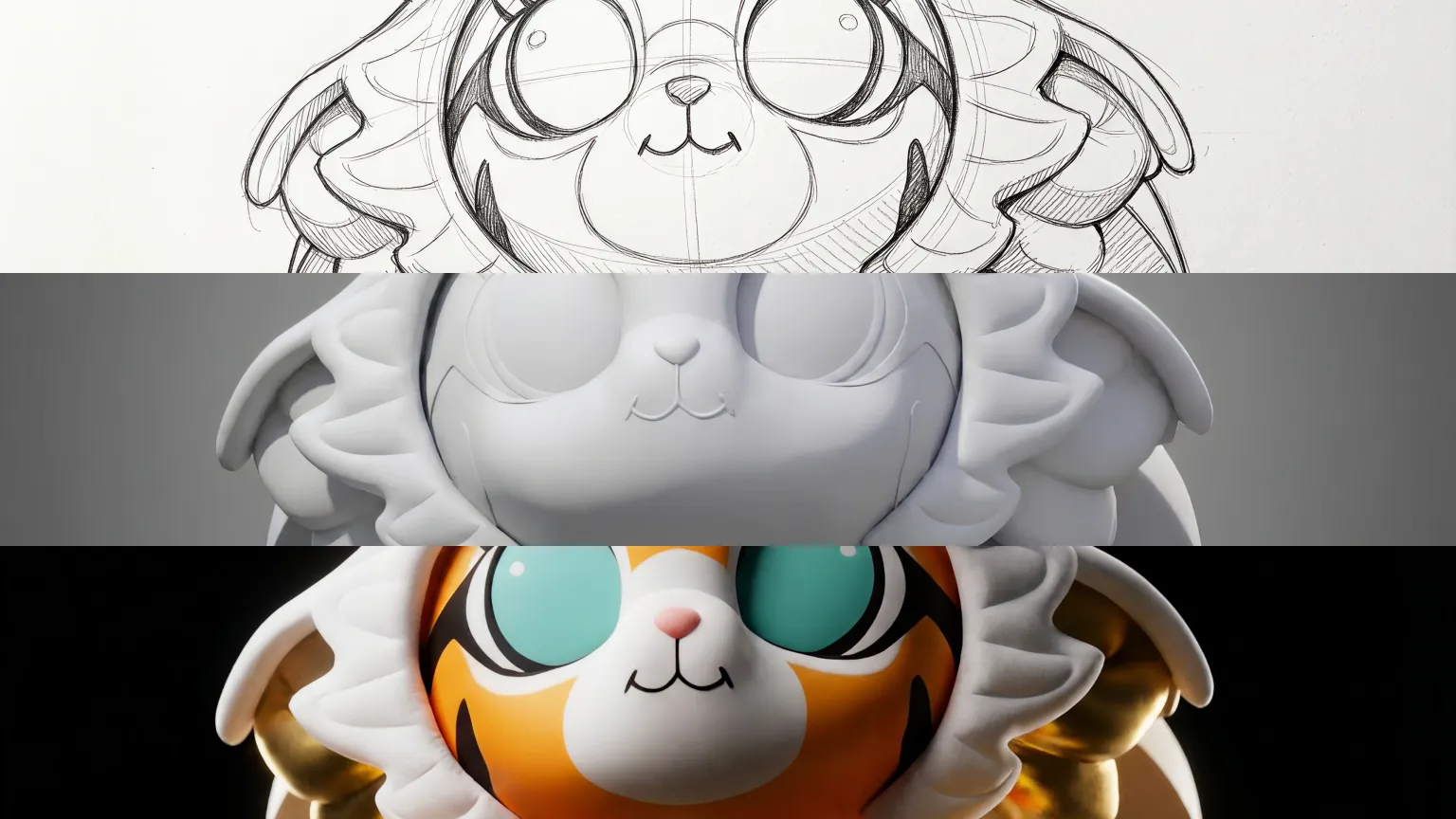
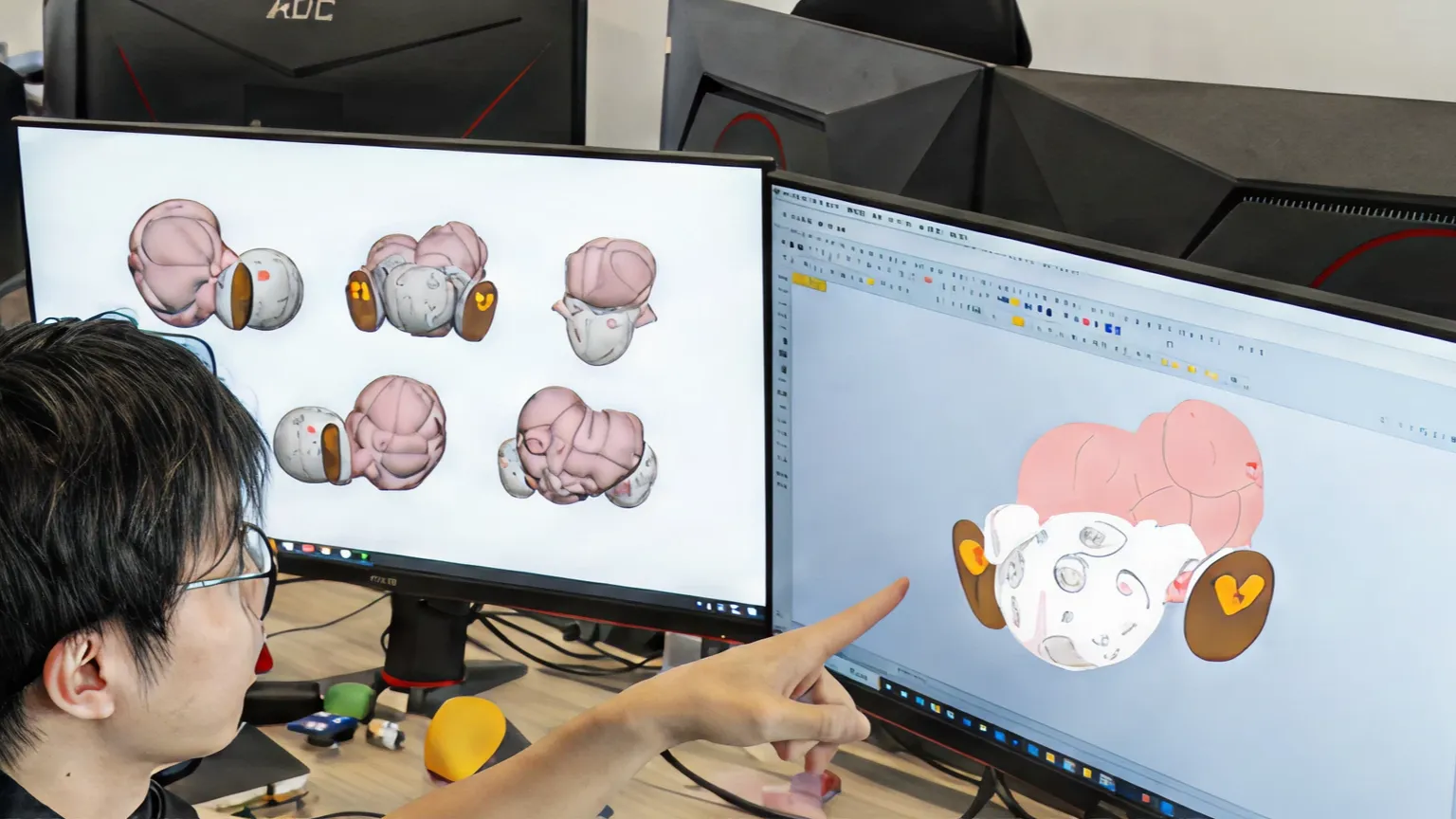
Art projects rarely arrive as production-ready files. They arrive as sketches, maquettes, photographs, verbal descriptions, or half-formed ideas. Our design process handles all of them. We rebuild the concept in 3D, work through structural feasibility, resolve material behavior at the target scale, and deliver a render for approval — before cutting a single panel. The goal is zero surprise between the approved render and the finished piece.
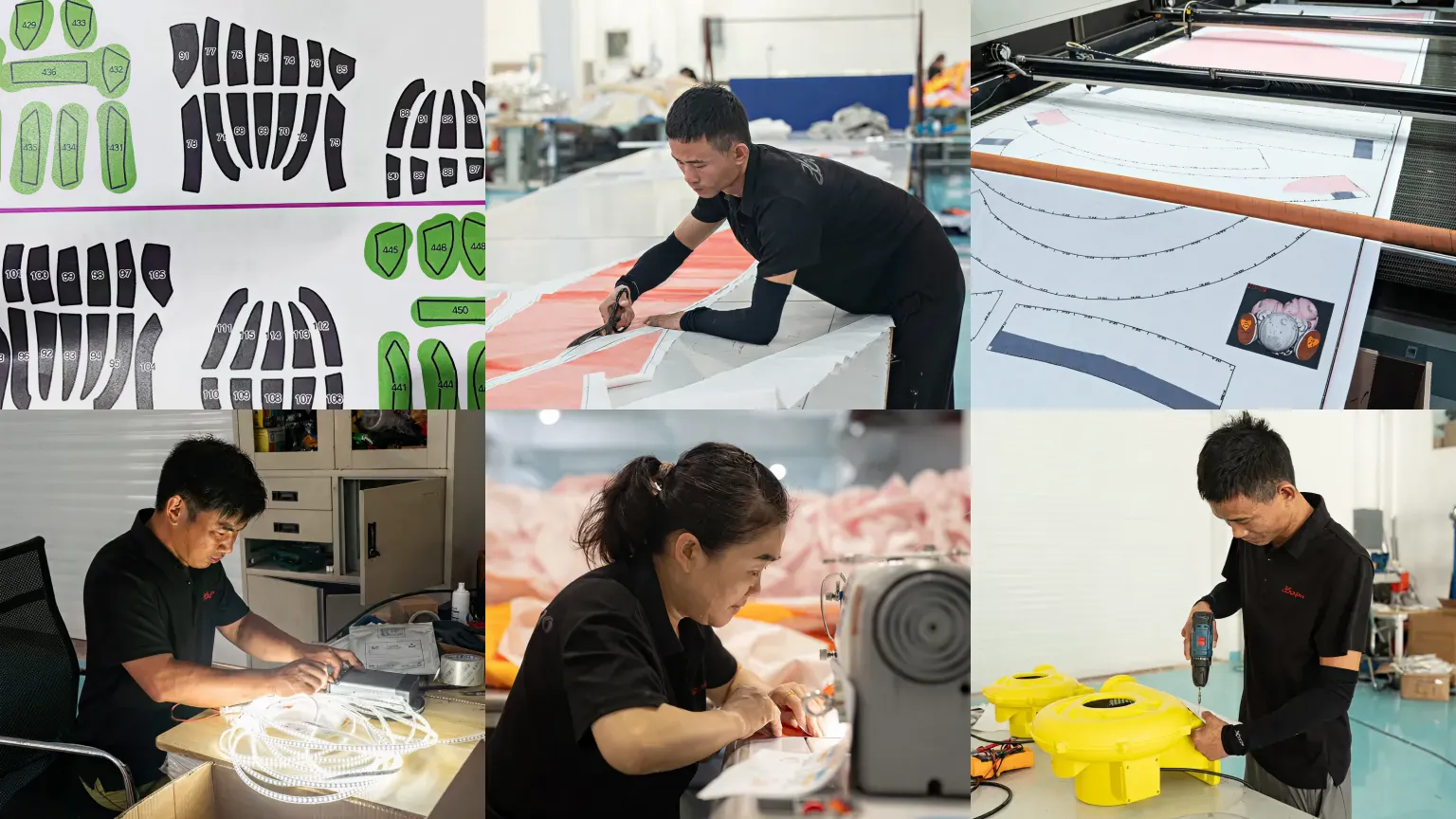
Every art project has a material intent. Matte Oxford for sculptural mass. Mirror PVC for reflective distortion. Translucent film for internal light. Stretch lycra for seamless organic curves. Long plush for tactile warmth. The material is not a default — it is a creative decision made in conversation with the artist, matched to the concept, the venue, and the viewing distance.
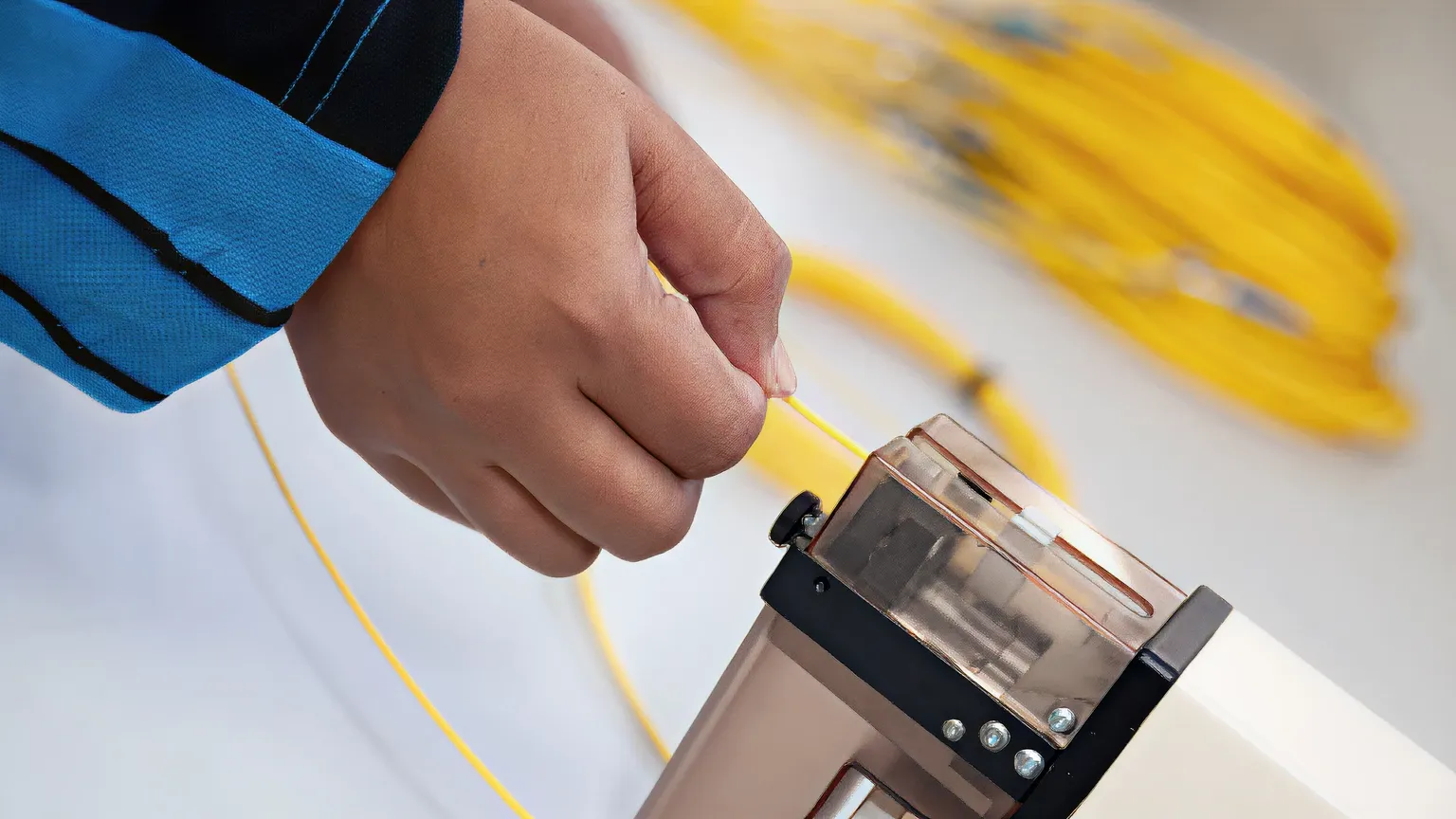
Art installations travel. They get installed, de-installed, stored, shipped, reinstalled at the next venue. We engineer for that cycle. Packing volume, weight, setup time, rigging compatibility, and storage durability are designed in from the start. A 15-meter sculpture that packs into two flight cases and sets up in 30 minutes is not a compromise — it is the point.
Yes. Most art commissions start with rough references — a pencil sketch, a clay maquette, a screenshot, or a verbal description. We rebuild the concept in 3D, work through structural and material feasibility, and deliver a full render for artist approval before any fabrication begins. No production-ready file is needed from your side.
We work with Oxford fabric, PVC, stretch lycra, translucent PVC, mirror PVC, long plush, and hand-painted nylon. Material selection is driven by the artistic concept — matte for sculptural mass, reflective for spatial distortion, translucent for internal light, plush for tactile presence. We provide physical samples for artist review before final selection.
We have built inflatable artworks from under 1 meter to over 30 meters. There is no fixed upper limit — size is engineered per project based on venue constraints, structural requirements, and installation method. Freestanding, suspended, floating, and walk-through formats are all supported.
Yes. Outdoor inflatable artworks use UV-resistant, weatherproof materials and reinforced anchoring systems. For long-term outdoor deployments (weeks to months), we engineer for wind load, rain exposure, and UV degradation. Material and blower specifications are matched to the expected deployment duration and climate.
Once deflated, an inflatable sculpture rolls or folds into a fraction of its inflated volume. A 10-meter piece typically packs into one or two transport bags that fit in a van or standard freight container. We design packing sequences and provide storage instructions so the piece can be re-deployed multiple times without damage.
Directly. Our project leads work with the artist, curator, or creative director throughout the process — from concept review through 3D modeling, material selection, production, and installation planning. We are a fabrication partner, not a vendor filling an order form.
Yes. RGB LED strips, DMX-controlled lighting, projection surfaces, motion sensors, sound elements, and other interactive features can be integrated into the inflatable structure. These are designed into the 3D model from the start, not added after fabrication.
Most inflatable art commissions take 20 to 45 working days from approved 3D render to delivery. Simpler forms with standard materials finish faster. Complex multi-element installations with mixed materials and integrated lighting take longer. We recommend starting the conversation at least 8 weeks before the installation date.
Very durable. Our inflatable artworks are built from commercial-grade materials rated for repeated use. With proper handling and storage, a piece can tour for years across multiple venues. We include repair kits and material care documentation with every delivery.
Yes. Suspension rigging, helium fill, water-surface floating platforms, and ceiling-mounted systems are all available. Installation method is determined during the design phase based on venue conditions. We provide rigging specs and anchor plans for each deployment format.
Inflatable art carries a longer lineage than most people assume. What began as conceptual experimentation in the 1960s has become a recognized medium in contemporary sculpture, public art, and immersive design. This section traces that arc and addresses the practical questions that artists, curators, and institutions encounter when commissioning inflatable work today.
Andy Warhol's Silver Clouds (1966) is widely cited as the first purely artistic use of inflatable form. Warhol filled metalized plastic pillows with helium and oxygen, releasing them into the Leo Castelli Gallery where they drifted among visitors. The work dissolved the boundary between object and environment — a theme that inflatable art has carried forward for six decades.
Claes Oldenburg followed with soft sculptures that reimagined everyday objects at monumental scale. Jeff Koons turned inflatable toys into mirror-polished steel, but his source material — the balloon dog, the inflatable rabbit — rooted his work in air-filled form. Paul McCarthy, Marc Quinn, and Paweł Althamer have since used inflatables to place confrontational, intimate, or politically charged imagery in public space at scales that traditional sculpture cannot practically achieve.
Today, institutions like Bedford Gallery (BLOW UP / BLOW UP II) and the Cameron Art Museum (Fresh Air: Inflatable Sculptures) mount dedicated exhibitions of inflatable contemporary art, and traveling inflatable exhibitions tour nationally.
The practical advantages are significant. An inflatable artwork packs into a fraction of the volume and weight of an equivalent solid sculpture. A 10-meter piece that would require a crane and flatbed truck in steel or resin packs into bags that fit in a cargo van. Setup time drops from days to hours. Transport cost drops by an order of magnitude. For touring exhibitions, traveling public art programs, and multi-venue installations, these logistics are not secondary — they determine whether the project is feasible at all.
Beyond logistics, inflatables offer formal qualities that rigid materials cannot: translucency, internal illumination, gentle movement in wind, and the ability to occupy enormous volumes with minimal structural mass. The tension between visual solidity and physical lightness gives inflatable sculpture a presence that audiences respond to instinctively.
The gap between a promotional inflatable and an art-grade piece is not primarily about materials — it is about tolerance, finish, and process. Art-grade fabrication involves:
These tolerances take longer and cost more than commercial inflatable production. They also produce work that holds up under the scrutiny of a gallery opening or a public art commission review.
| Format | Typical Use | Key Engineering |
|---|---|---|
| Freestanding ground mount | Plaza installations, gallery floors, retail atriums | Base weighting, low-profile anchoring |
| Suspended / rigged | Gallery ceilings, concert stages, architectural interiors | Rigging points, weight distribution, truss compatibility |
| Helium-filled aerial | Outdoor festivals, parades, open-air exhibitions | Helium volume calculation, tether engineering, wind rating |
| Water-surface floating | Harbor installations, lake features, waterfront public art | Ballast system, waterproof base, mooring plan |
| Walk-through immersive | Immersive exhibitions, experiential brand spaces | Internal structure, air pressure zoning, visitor safety |
The most productive artist-fabricator relationships start early and stay collaborative. A few guidelines from our experience:
Share reference material generously. The more visual context we have — sketches, precedent images, material samples, site photos — the faster we arrive at a buildable concept. Ambiguity at the briefing stage compounds into cost and timeline later.
Trust the 3D modeling phase. This is where structural feasibility gets resolved. A form that looks right in a sketch may not hold under air pressure at full scale. The 3D model is the negotiation space between artistic intent and physical reality.
Plan for the full lifecycle. Where will the piece be stored between shows? How will it travel? Who handles setup at each venue? These questions are easier to answer when they are part of the original design conversation, not an afterthought after delivery.