Inflatable Domes
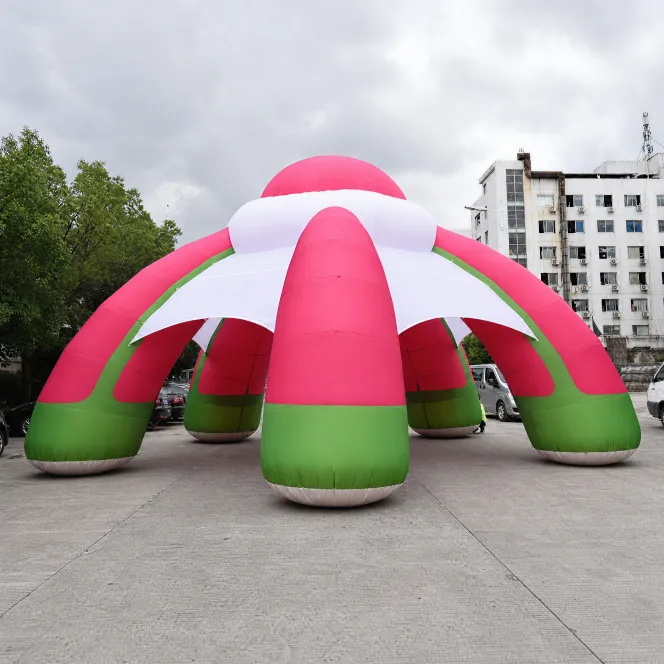

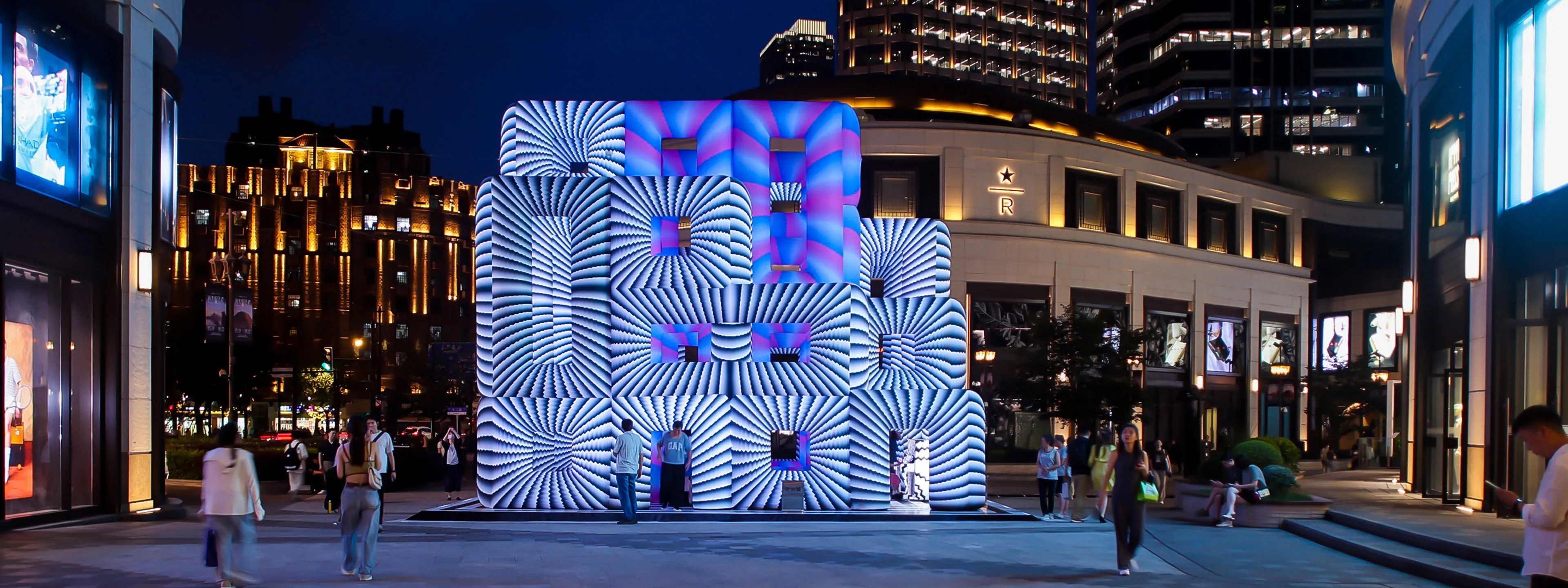
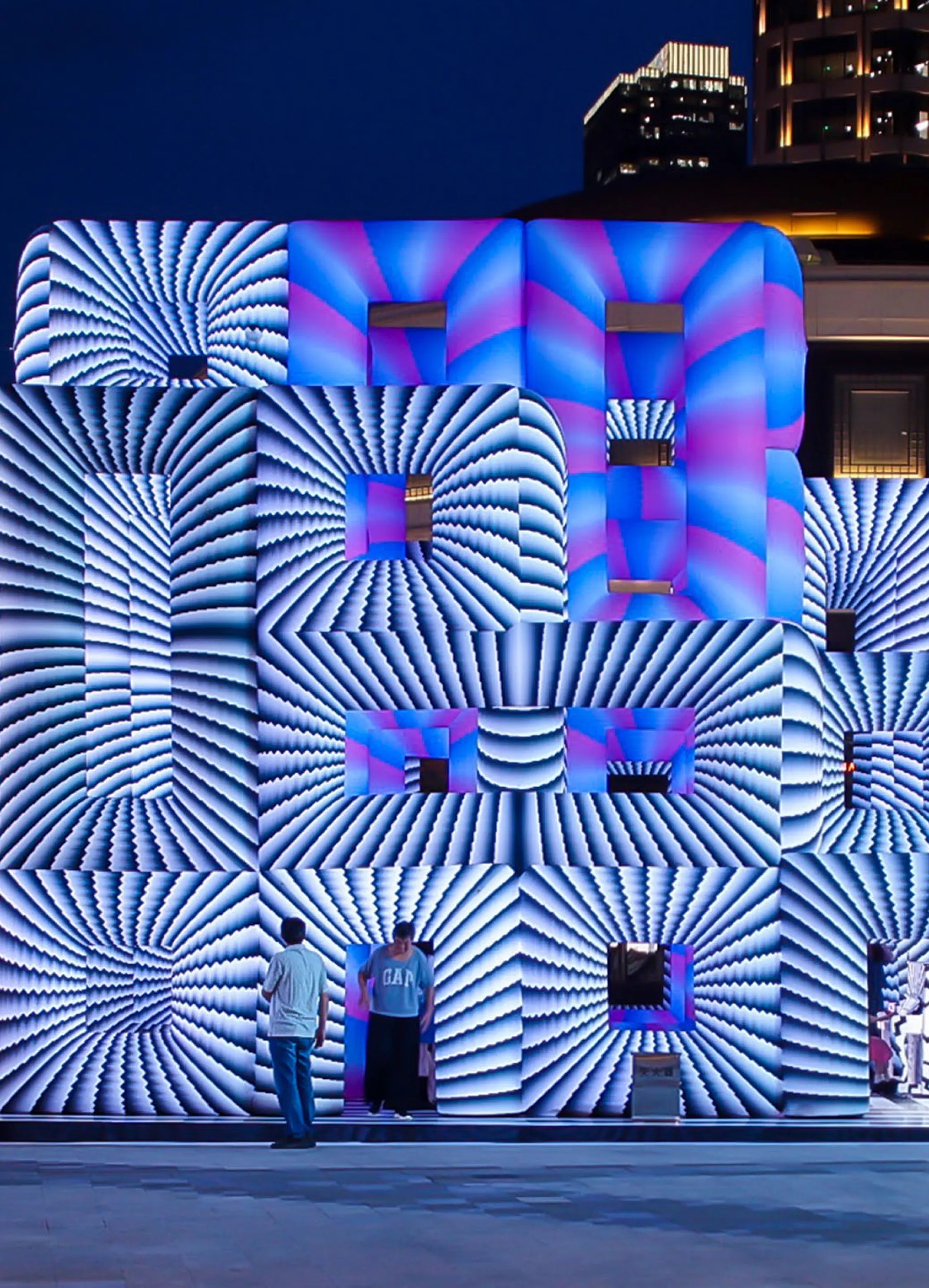
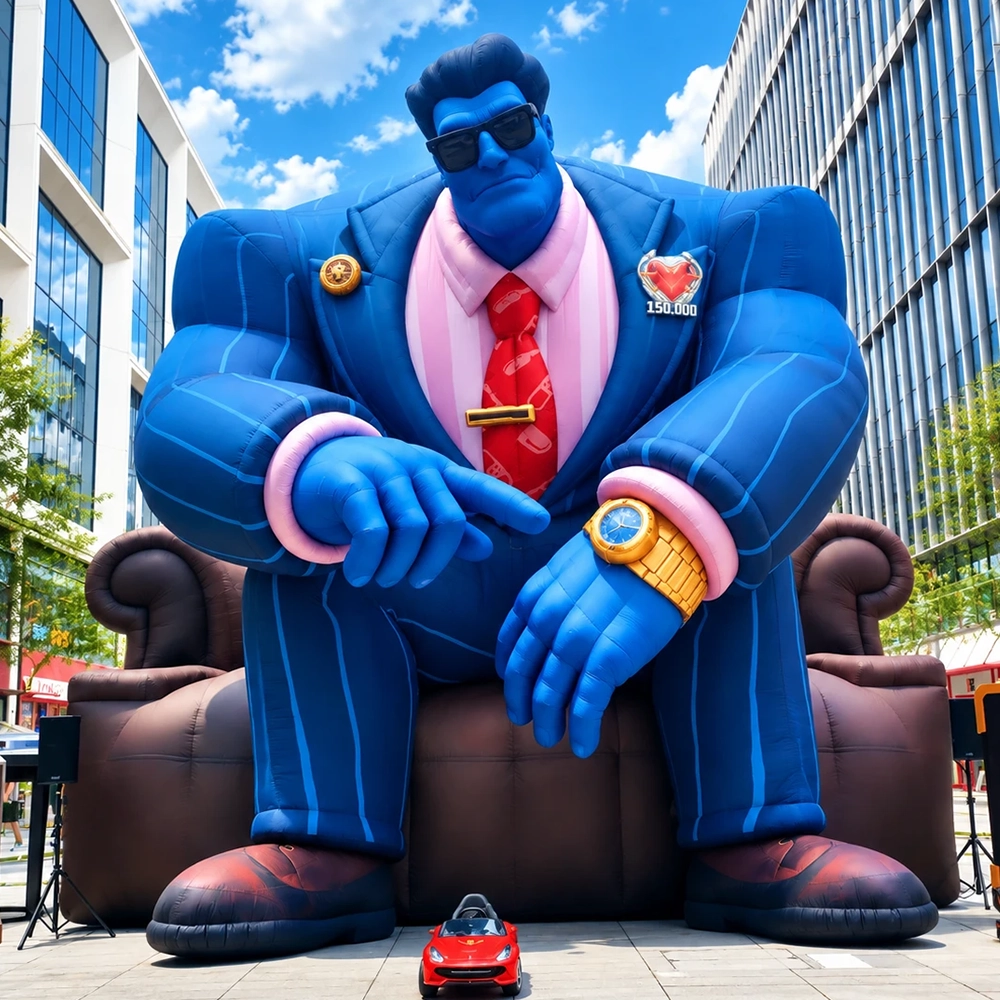
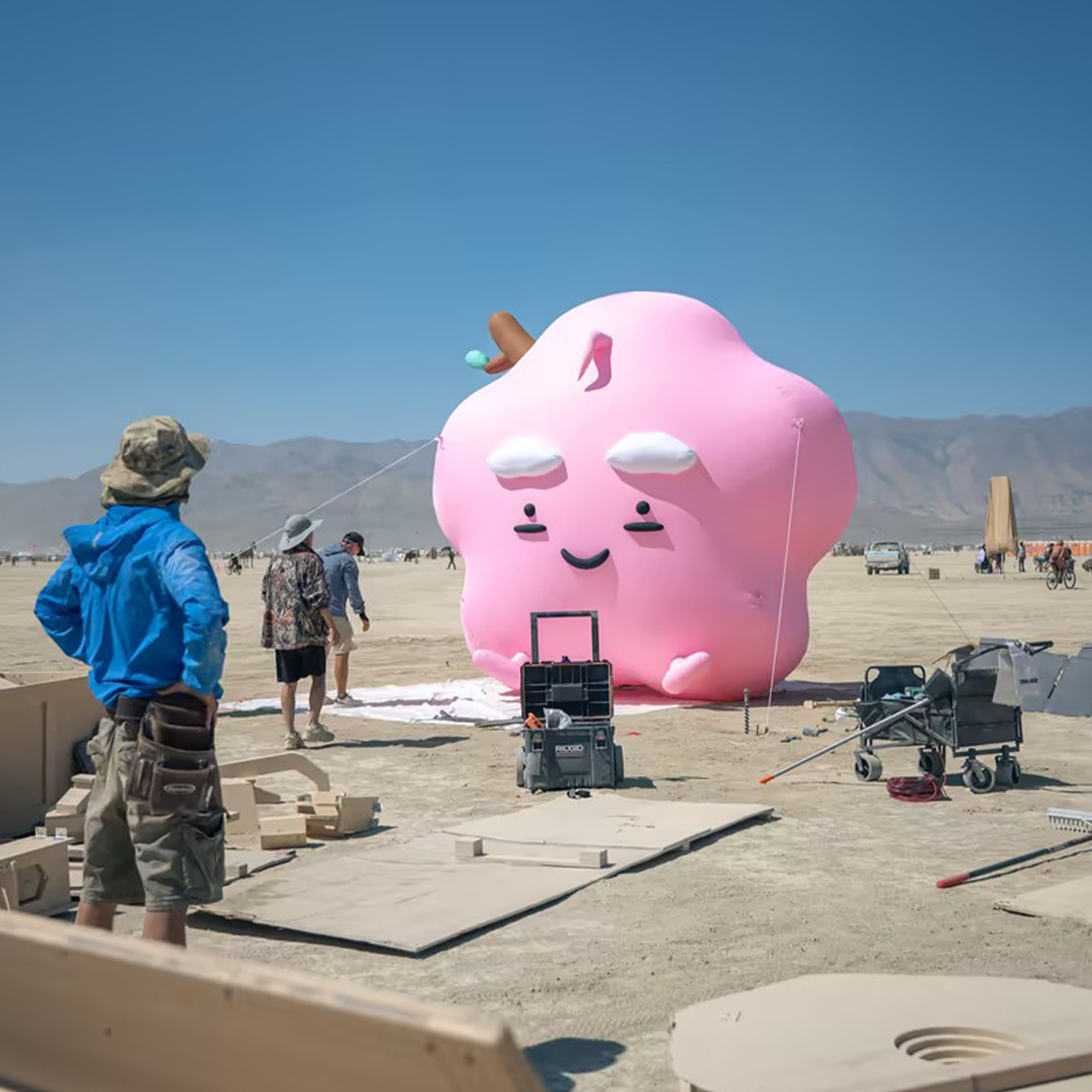
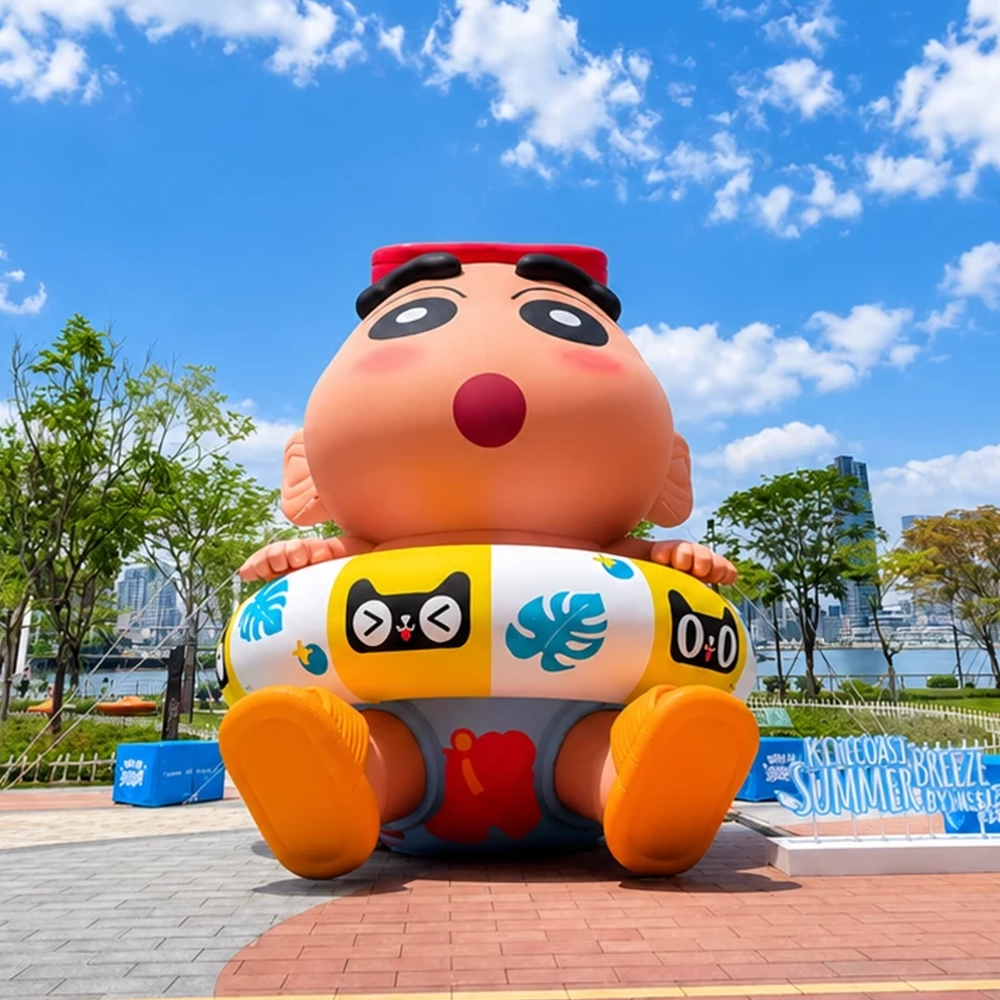
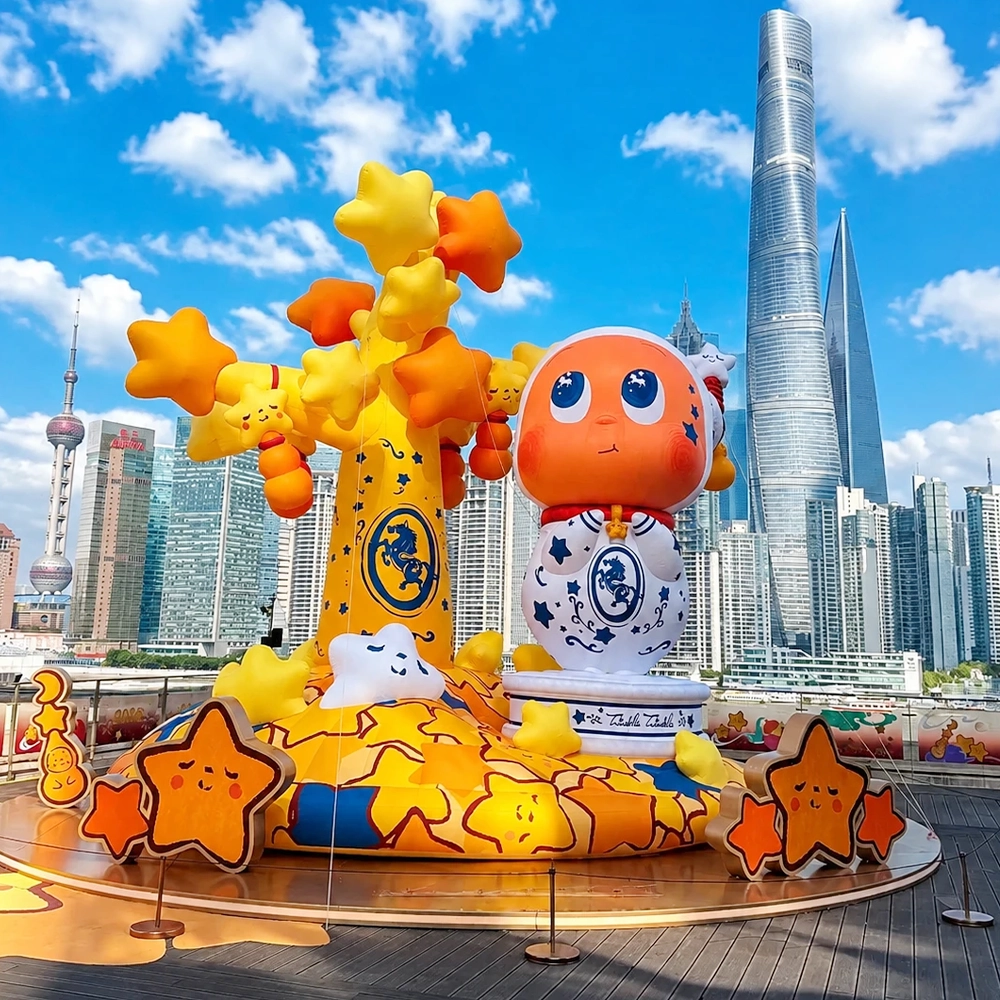
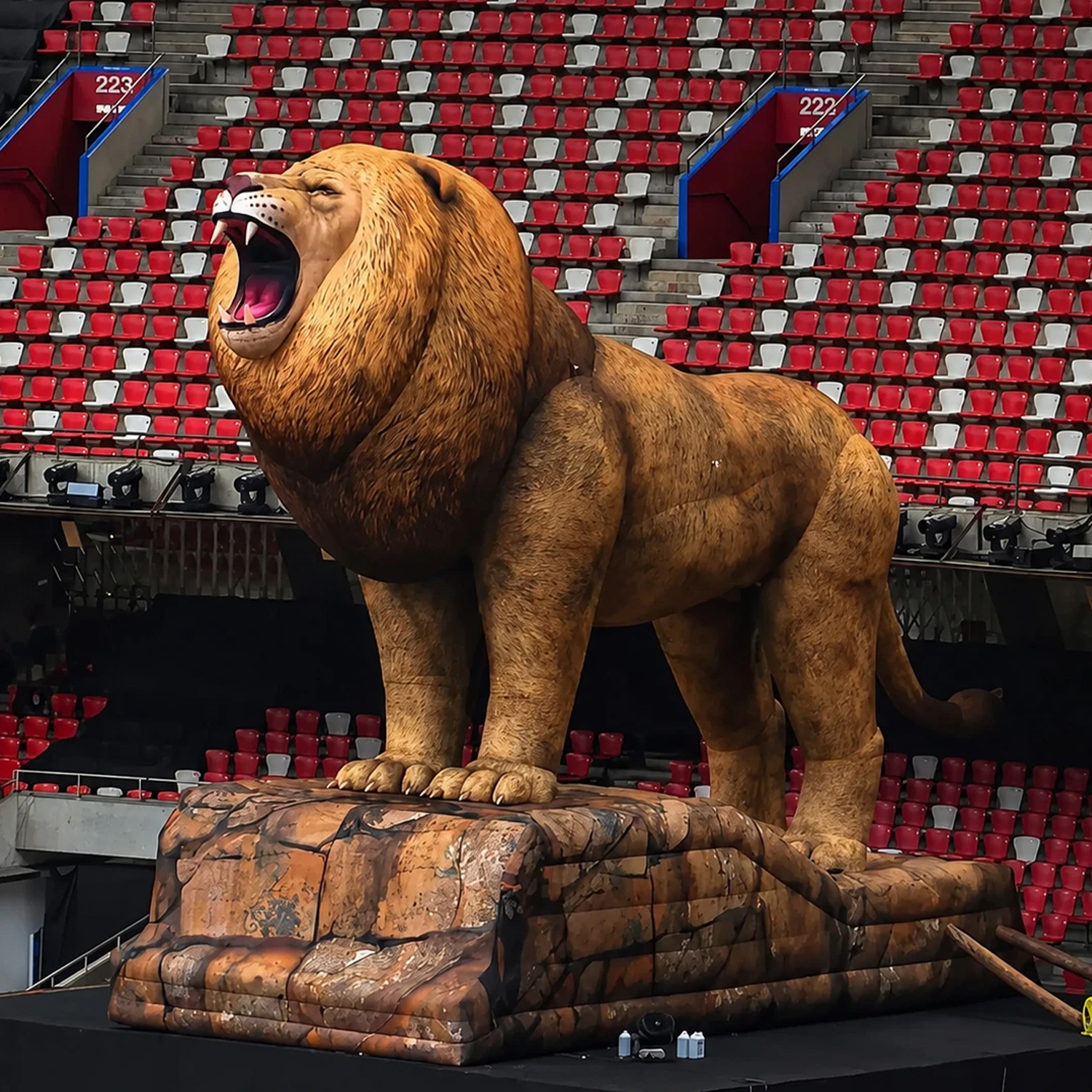
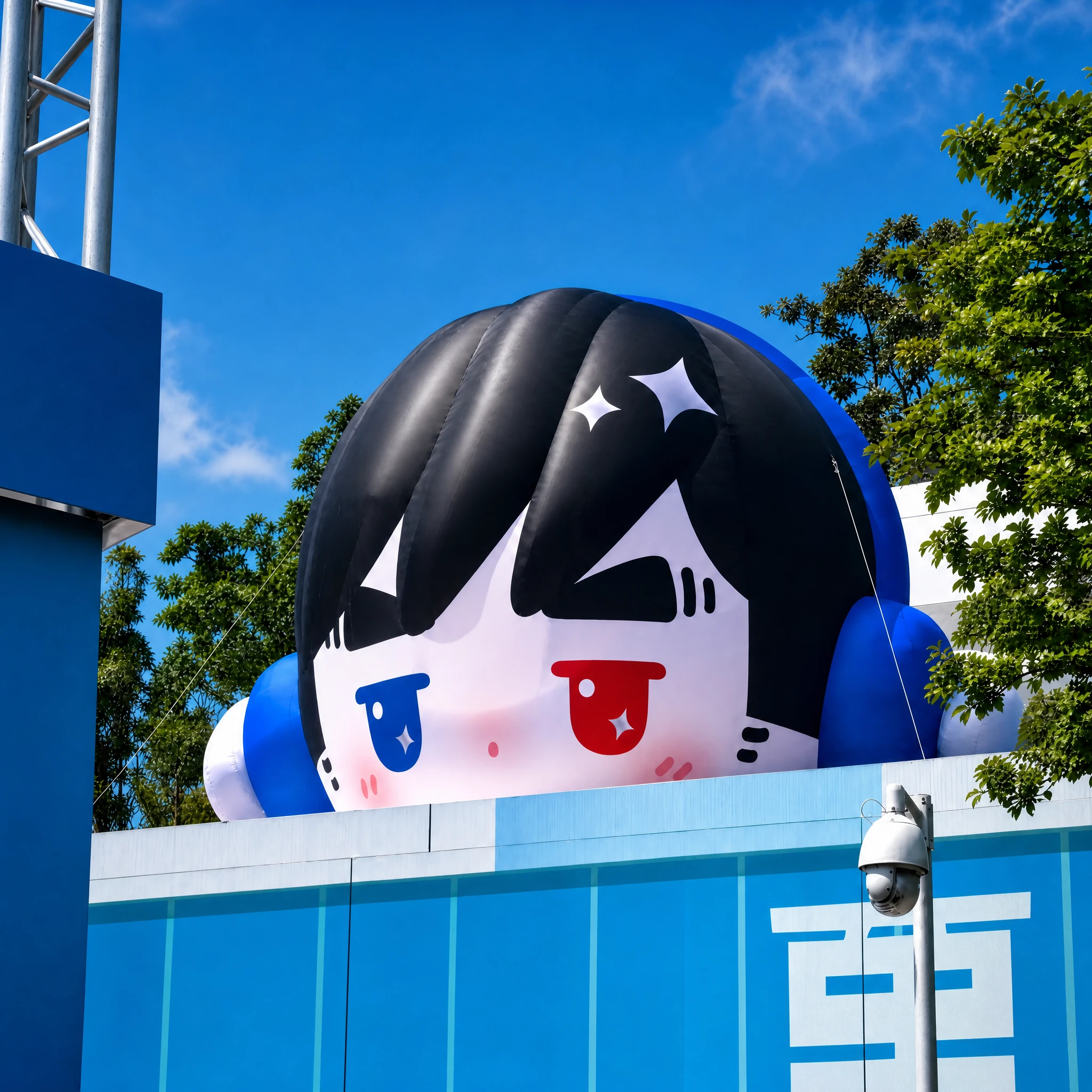
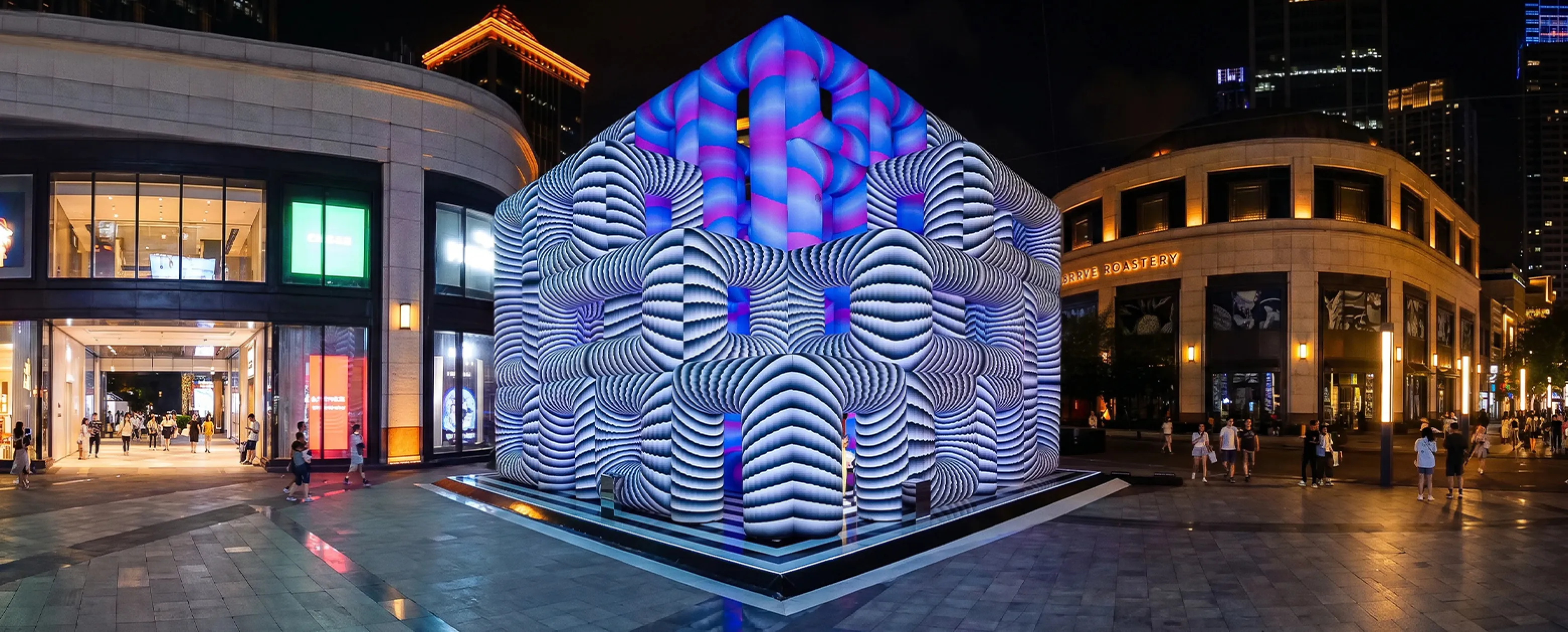
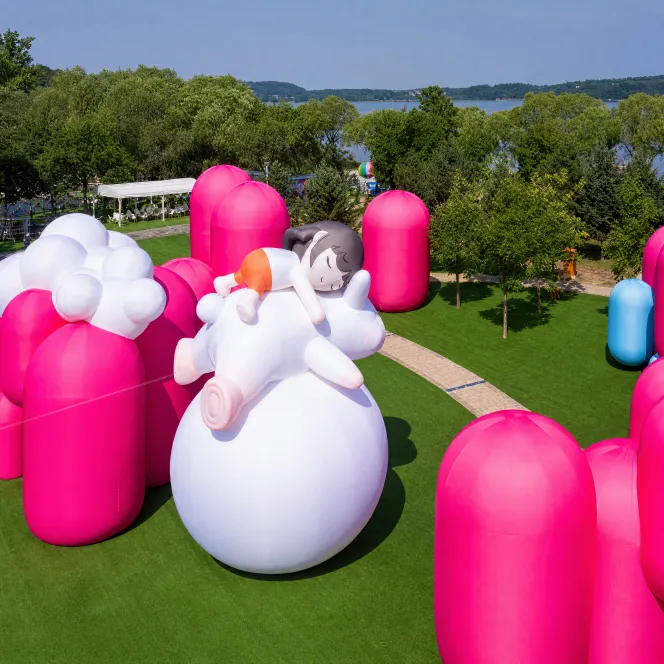
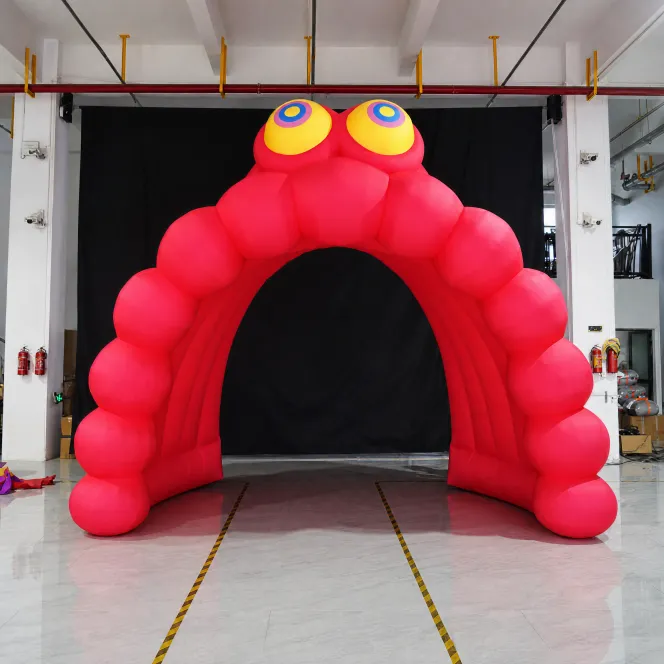
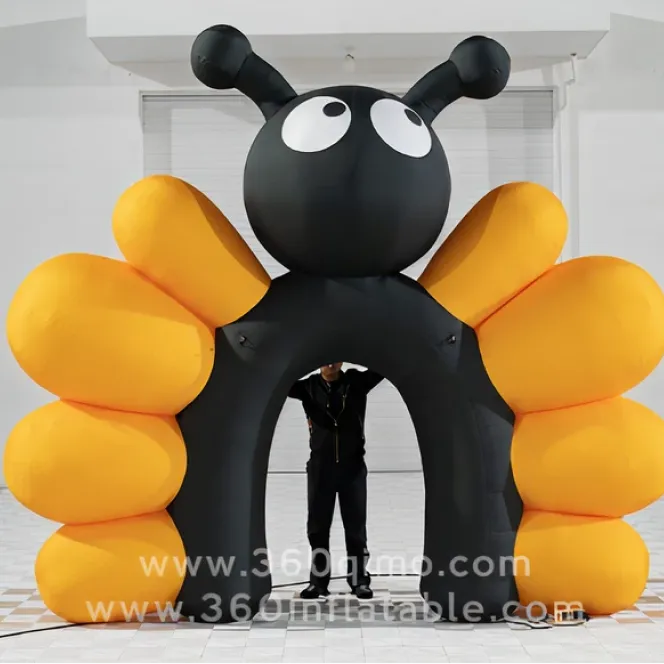
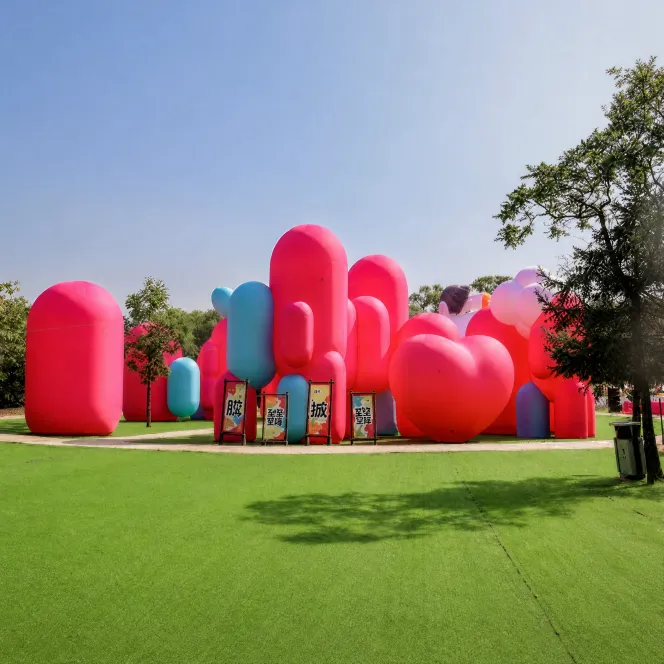
Inflatable architecture is what happens when an inflatable stops being a prop and becomes a space — something people walk through, gather inside, and remember as part of the event itself. Domes, castles, immersive corridors, sculptural pavilions, themed structures. The form is determined by the experience the project needs to create, not by a catalog of standard sizes.
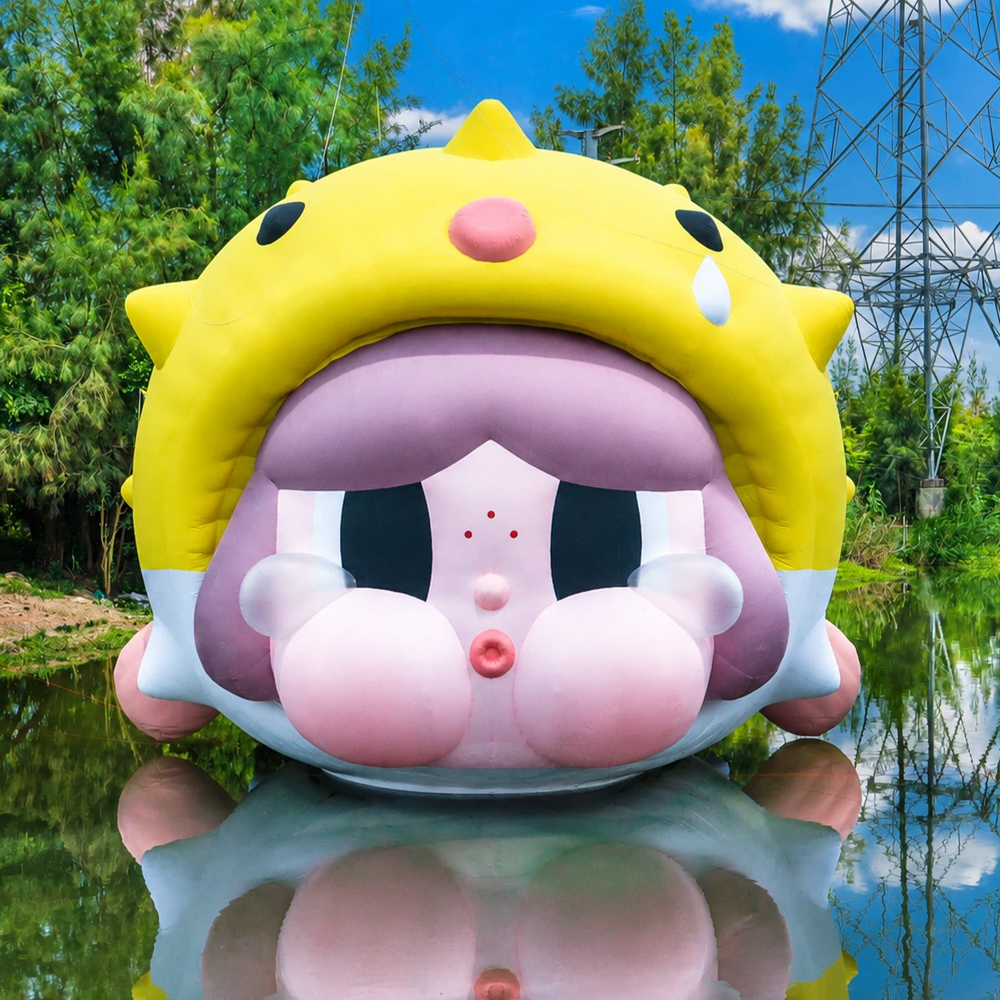
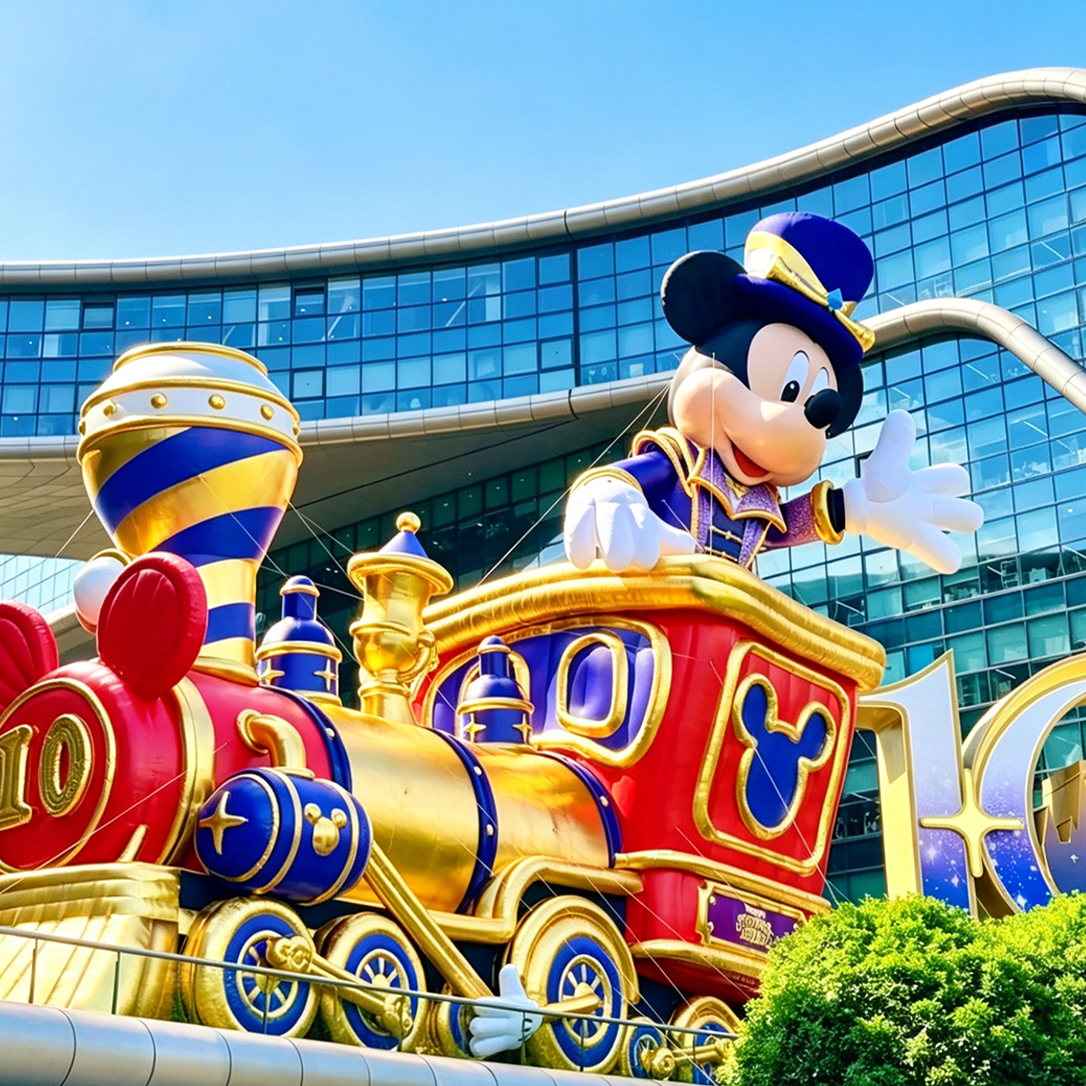
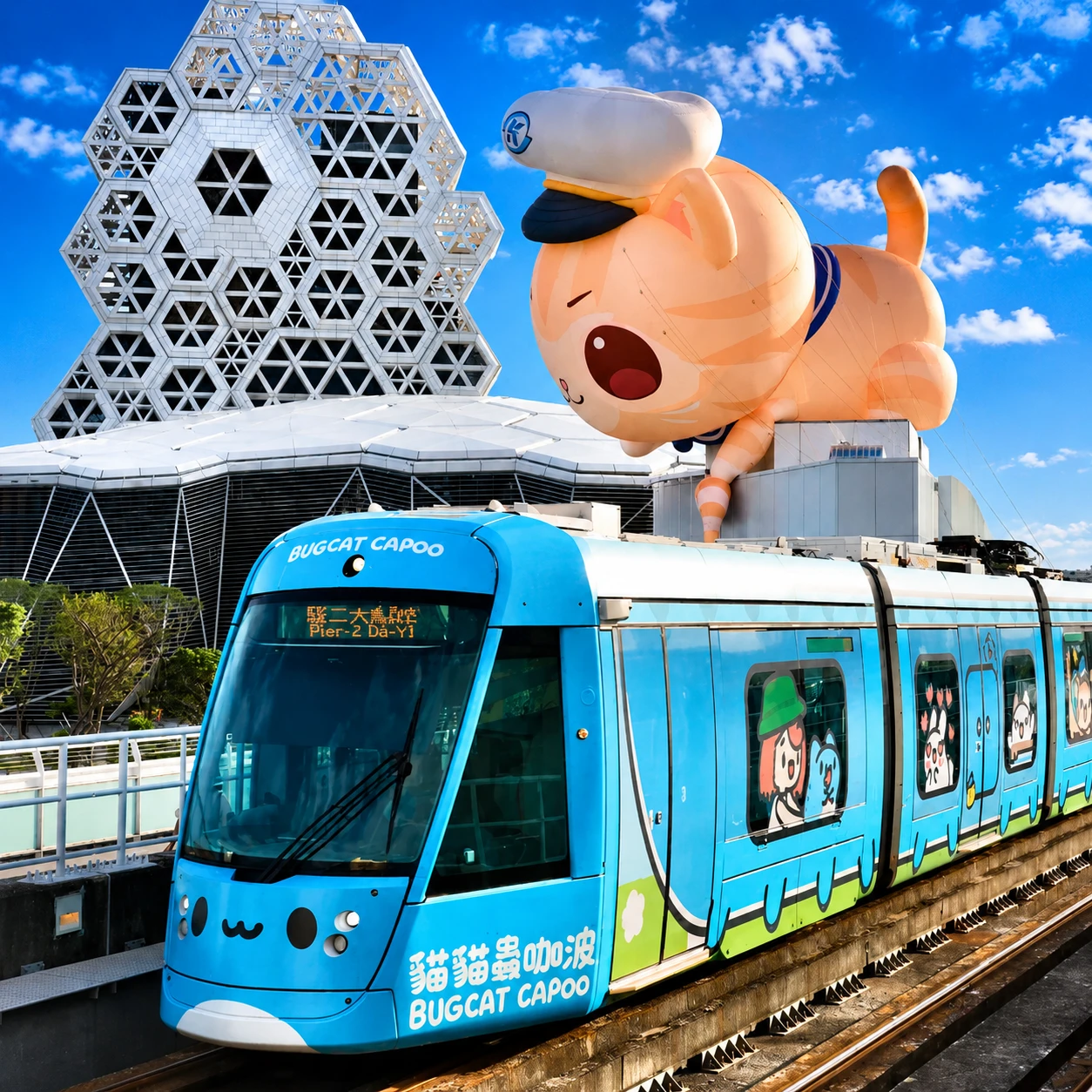
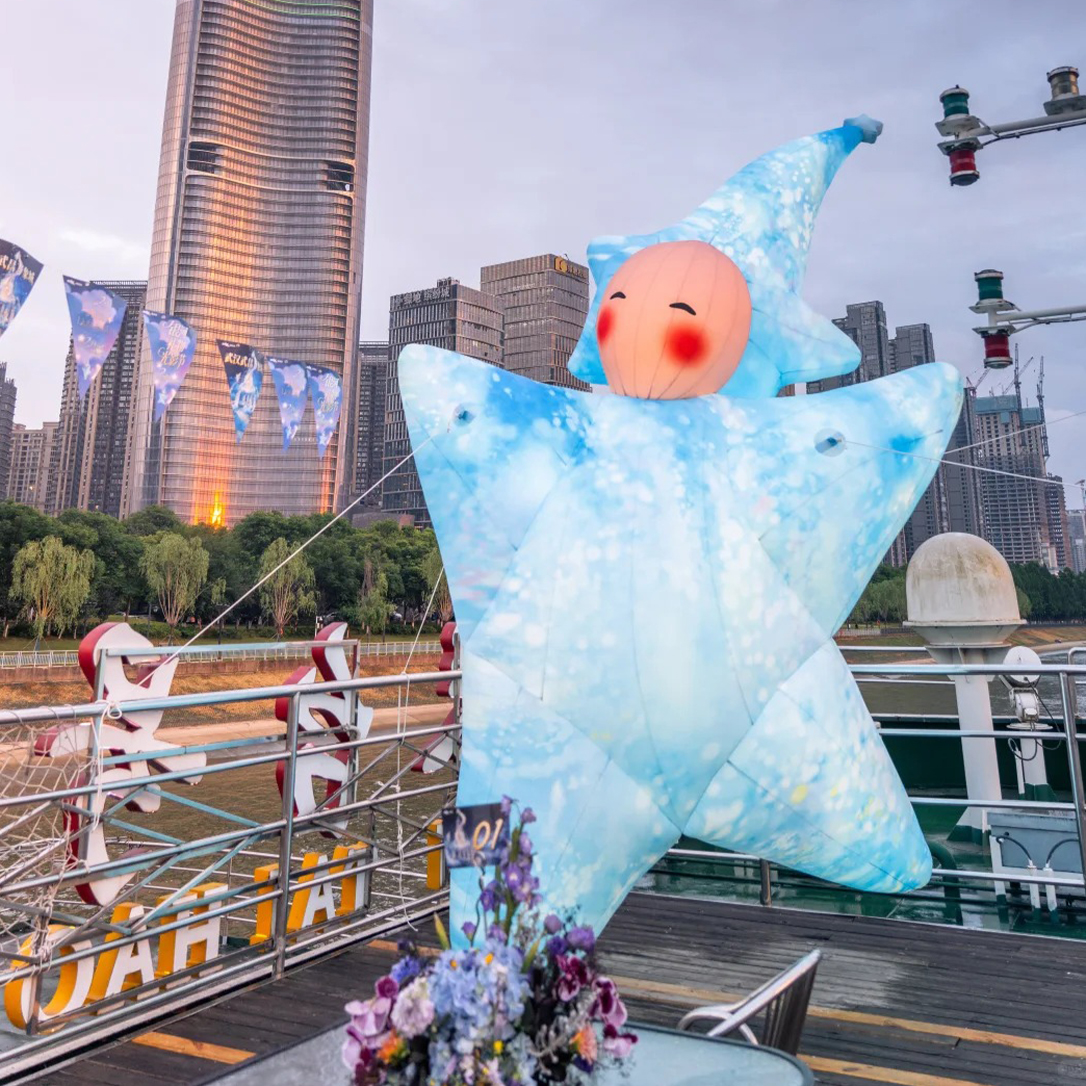
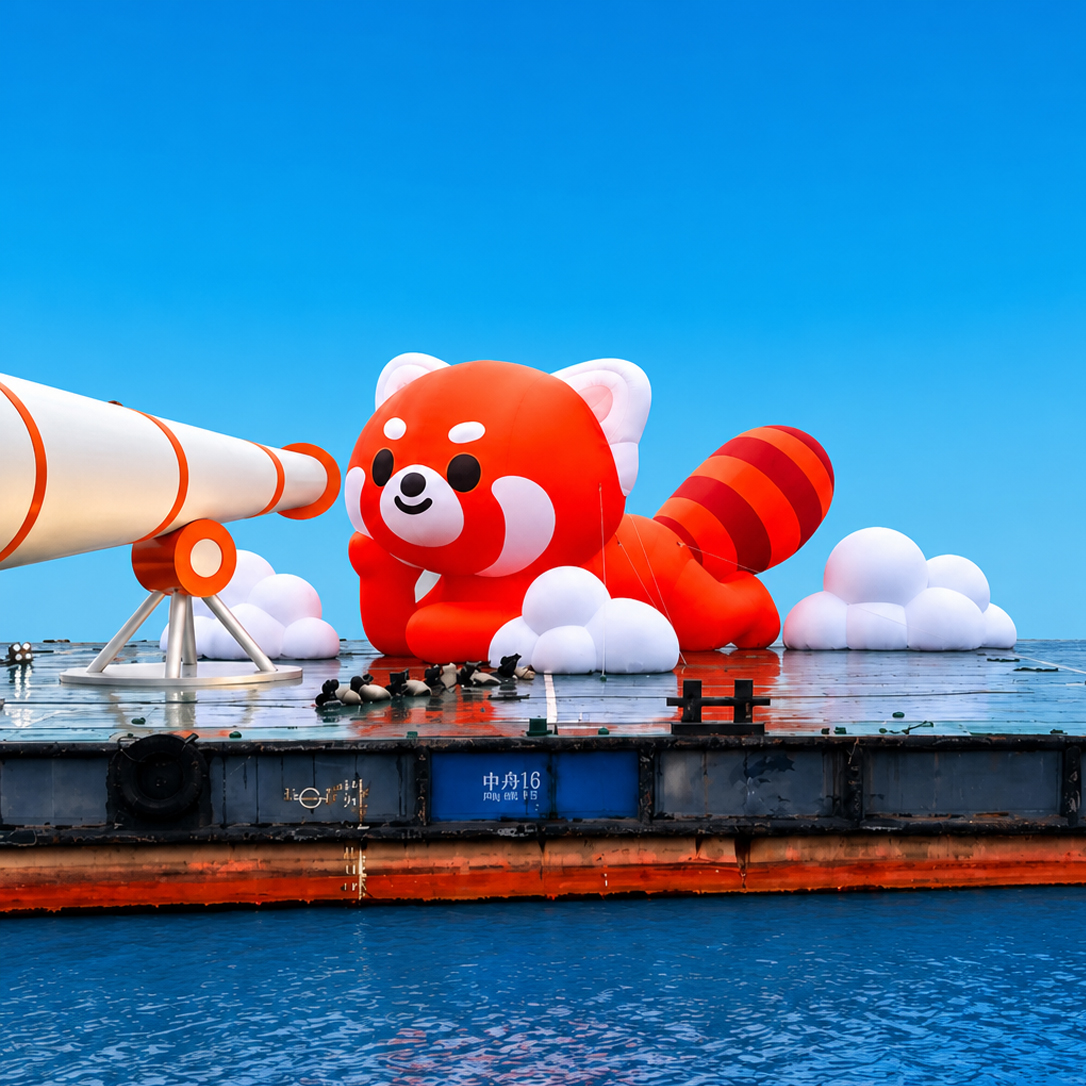
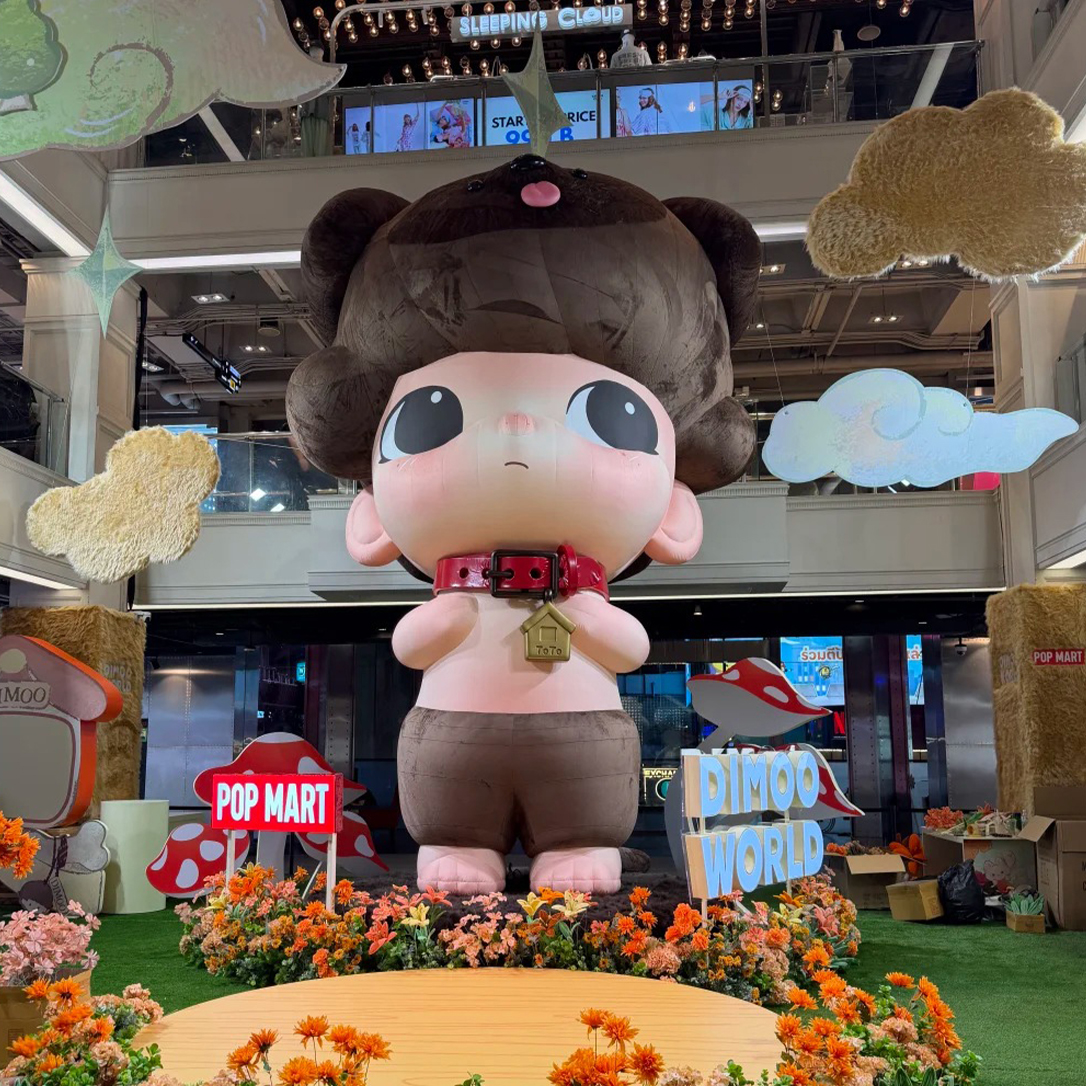
Since 2006, we've delivered inflatable architectural builds for brand activations, museum exhibits, city festivals, and immersive art installations. Disney, POP MART, Tencent, and 200+ global brands have commissioned us for spaces that double as visual statements. Every project is engineered as both a structure and a piece of visual communication — built inside our 10,000㎡ facility in Wenzhou, delivered across 40+ countries.
| Materials | Heavy-duty PVC tarpaulin, Oxford fabric, PU-coated fabric, transparent PVC (selected per structural and visual needs) |
|---|---|
| Size Range | 5m – 30m+ span, fully custom, multi-element structures supported |
| Process | 3D modeling, structural engineering, large-format digital printing, double-stitched sewing, hand-finished detailing |
| Stitching | Double-stitched seams with reinforced bar tacking; load-bearing zones engineered for sustained deployment |
| Inflation | Continuous-run commercial blower; redundant blower configuration for large-span structures |
| Wind Resistance | Up to 38 km/h with full anchoring; project-specific reinforcement for extended outdoor deployment |
| Setup Time | 30 minutes to 4 hours depending on scale and complexity; on-site team available for large projects |
| MOQ | 1 piece, single-piece custom production supported |
| Lead Time | 20 – 45 days depending on structural complexity and finish requirements |
| Certification | CE, UL |
| Warranty | 12 months |
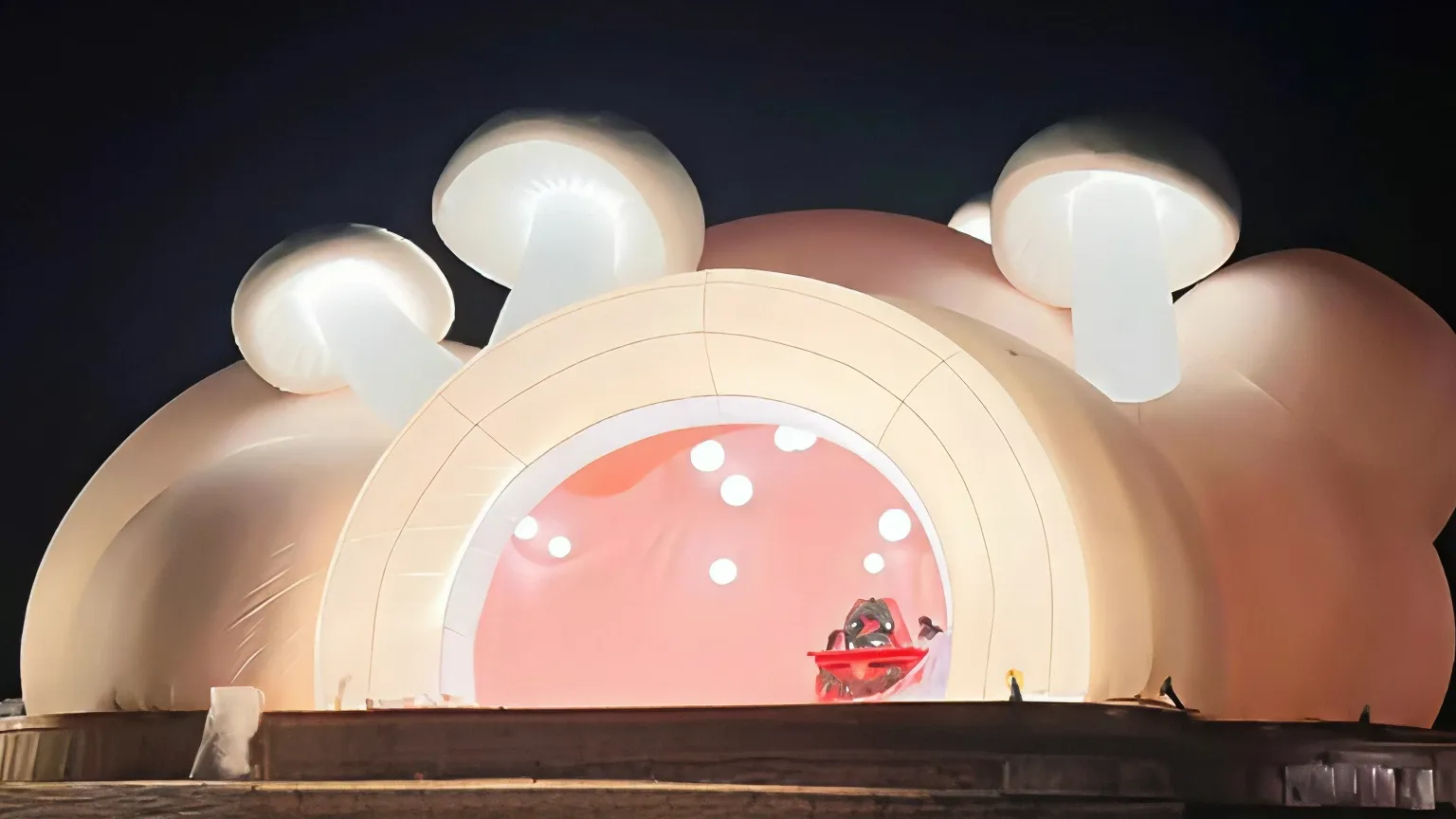
An inflatable structure can be a shelter. It can also be a sculpture you stand inside. The shape, scale, light, and material all carry meaning before the visitor reads any signage. We treat each project as a spatial composition first — what should it feel like to approach, enter, move through, and leave — then engineer the structure to deliver that experience.
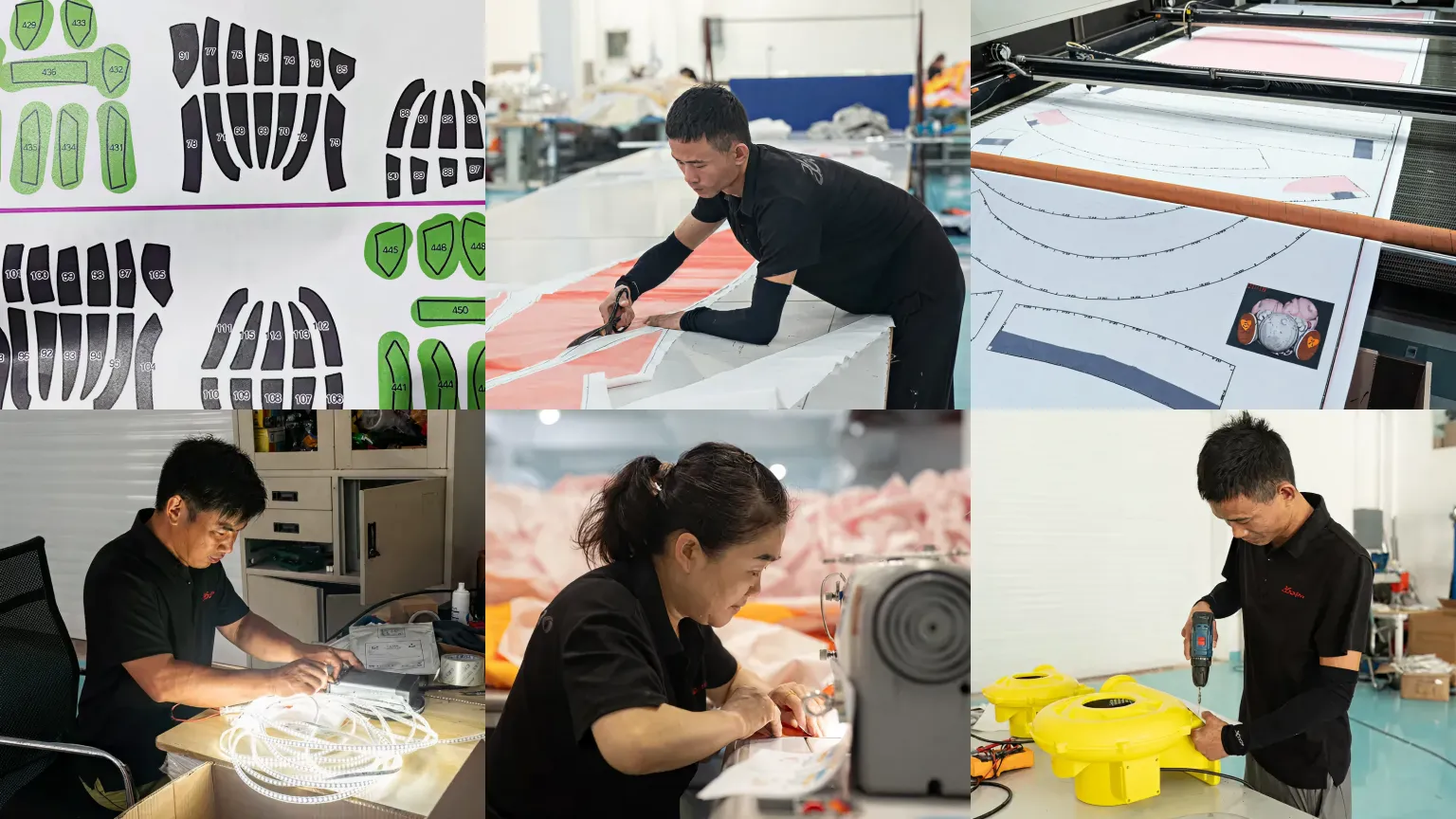
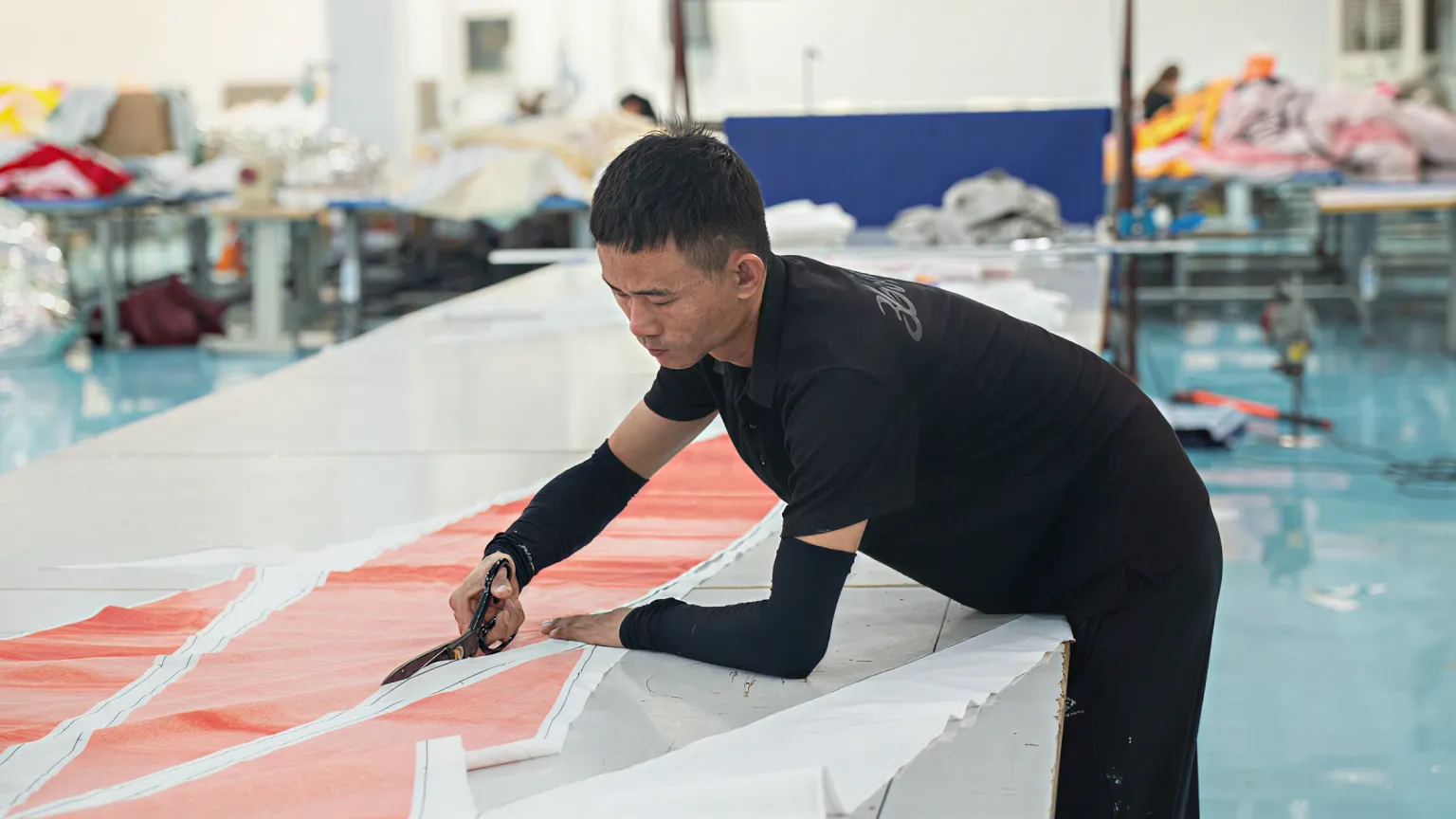
Inflatable architecture fails when one of two things is missing — engineering depth, or visual finish. Most suppliers handle one well. We handle both inside the same facility: structural engineers validate the load and pressure system; designers and pattern-makers handle the print, color matching, and surface detail. The structure stands, and it photographs.
Inflatable architecture at scale needs on-the-ground support. For larger or complex projects, our installation team handles site preparation, anchoring engineering, structural setup, and post-event teardown across 40+ countries. For standard builds, we provide detailed setup documentation, video guides, and real-time remote support throughout the deployment window.
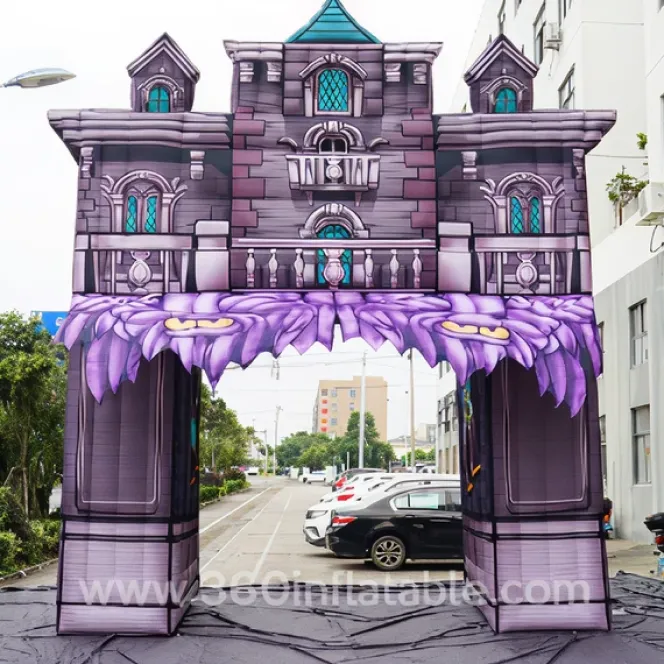
Standard inflatable tents and domes are commodity products designed for utility — shade, shelter, basic event coverage. Inflatable architecture is engineered as a designed spatial experience: custom shape, sculptural form, brand-specific aesthetic, integrated lighting and visual storytelling. The structural principle is similar; the design intent and execution depth are completely different categories.
Our inflatable architecture is engineered for short-to-mid-term deployment — typically days to several weeks. With proper anchoring and material upgrades, structures can extend to multi-month installations. For permanent installations (12+ months), we recommend air-supported buildings, which is a separate category with different engineering standards.
Yes, with project-specific engineering. For walk-through structures (corridors, exhibit halls, immersive spaces), we calculate occupancy loads, design proper entry/exit points, and validate air pressure systems to maintain consistent internal volume. Public-occupancy projects require additional safety review including emergency egress planning.
Heavy-duty PVC tarpaulin is the workhorse material — durable, weather-resistant, holds shape under sustained pressure. Oxford fabric and PU-coated fabric are used for lighter or printed-finish projects. Transparent PVC and mirror PVC are reserved for visual-effect zones. Material is selected based on deployment duration, environment, and visual requirements.
Air-supported buildings (permanent air domes) are pressurized 24/7, use industrial blowers and emergency power backup, and are engineered to building-code standards for permanent occupancy. Inflatable architecture as we manufacture it is engineered for event-grade temporary deployment — days to months. The two categories serve different functions and require different engineering disciplines.
Yes. Custom shape is the default, not an upgrade. Sculptural forms, brand-themed silhouettes, multi-element compositions, and asymmetric structures are all supported. The 3D modeling stage validates that the proposed shape can hold under inflation pressure. For brand-specific projects, we work from your visual identity guidelines and creative brief.
With full anchoring kits, structures handle winds up to 38 km/h (Beaufort Force 5). For exposed sites or extended outdoor deployment, we engineer project-specific anchoring — ground concrete anchors, ballast systems, or structural tie-downs based on site conditions and expected wind exposure. Rain and moderate weather are handled by the fabric treatment; severe weather requires temporary deflation.
Standard inflatable architectural projects ship in 20–35 days. Complex multi-element installations, museum-grade builds, or projects with custom material specifications run 35–45 days. The 3D rendering and engineering review stages account for the first 1–2 weeks before fabric is cut.
Yes. Our on-site installation teams cover 40+ countries for large or complex projects. For standard deployments, we provide detailed installation guides, video documentation, and real-time remote support. For high-profile brand or city-scale events, we strongly recommend on-site team support included as part of the project scope.
Yes. Commercial-grade inflatable architecture lasts 5 to 10+ years with proper use and storage, supporting 50 to 100+ deployment cycles. For traveling exhibitions, multi-city brand tours, or annual festival use, this makes the per-event cost significantly lower than single-use alternatives.
Most clients approach inflatable architecture thinking about appearance first. The decisions that determine whether the project actually works — and whether it can be built within the timeline and budget — happen in three areas the client usually hasn't considered. This section covers what 20 years of architectural inflatable projects have taught us about the questions that need to be answered before design starts.
Before form, before color, before brand — the structure's intended use determines almost every downstream decision. Five common use modes:
| Function | Key Engineering Focus | Typical Scale |
|---|---|---|
| Walk-through immersive experience | Internal lighting, surface acoustics, traffic flow | 10–30m length |
| Standing brand activation space | Occupancy capacity, photo lighting | 5–15m diameter |
| Performance or presentation venue | Acoustics, sightlines, climate control | 15–30m+ span |
| Static sculptural installation | Visual fidelity, structural stability | Variable |
| Exhibition hall or pavilion | Modular layout, multi-entry circulation | 15–40m+ footprint |
Inflatable architecture is more sensitive to site conditions than rigid structures. A site check at the design stage prevents most failures:
Clients often weigh inflatable architecture against rigid tents, modular event structures, or scaffold-based temporary buildings. Each serves different needs:
| Structure Type | Strengths | Limitations | Best For |
|---|---|---|---|
| Inflatable architecture | Fully custom shape, fast deployment, lightweight transport | Continuous blower operation, weather-limited | Brand-driven, sculptural, immersive experiences |
| Rigid frame tents | Standardized sizes, high wind tolerance, lower per-day cost | Fixed shape, slow setup, heavy transport | Functional shelter, large-capacity events |
| Modular event structures | Reusable components, scalable | Generic appearance, longer setup | Multi-event series, modular venues |
| Air-supported buildings | Permanent occupancy, large clear span | Permanent installation, building code compliance | Sports facilities, warehouses, long-term needs |
For a precise quote and engineering plan, having these in place upfront saves multiple rounds of back-and-forth:
With these in hand, we can deliver a 3D render, structural engineering preview, and full quote — typically within one to two weeks for complex architectural projects.