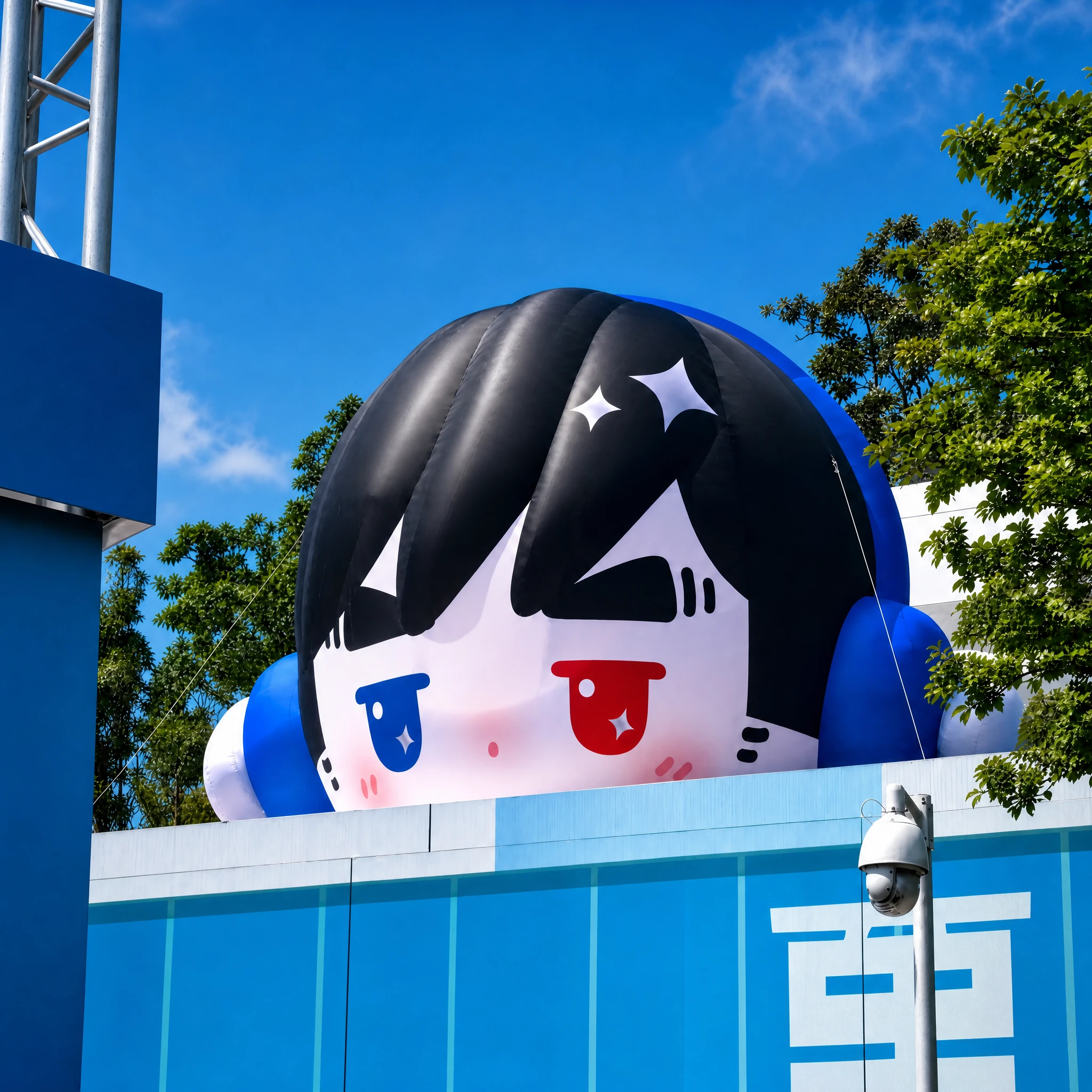
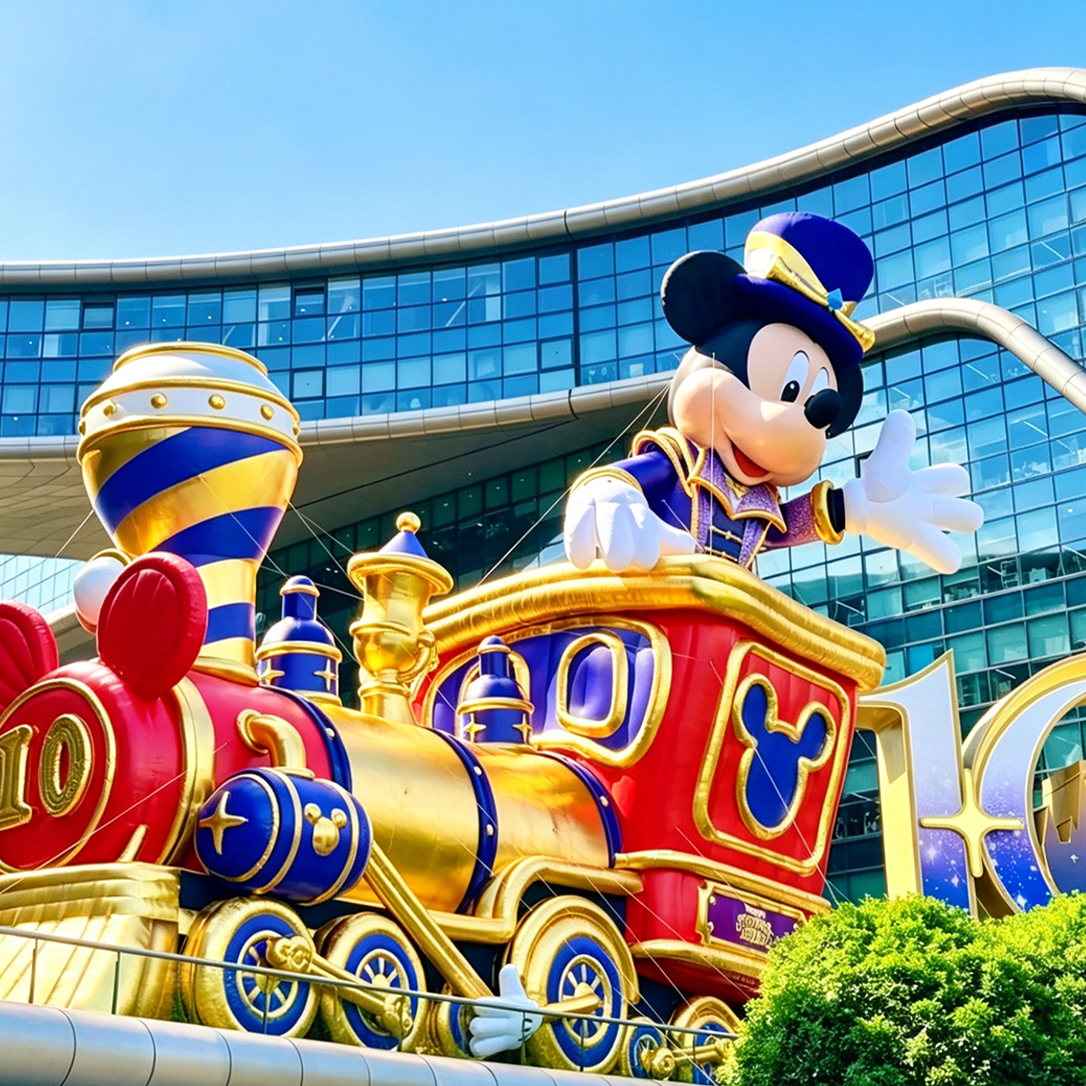
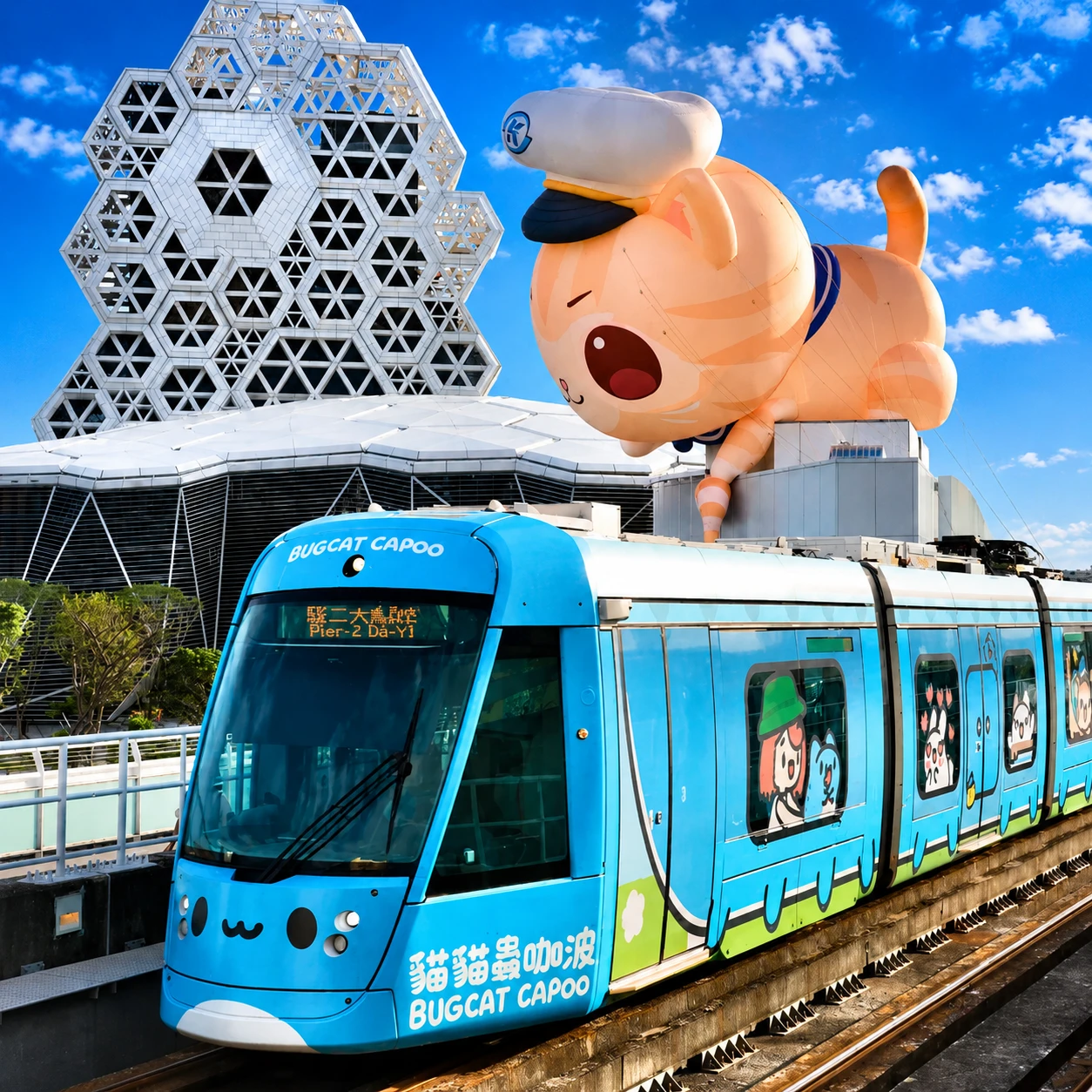
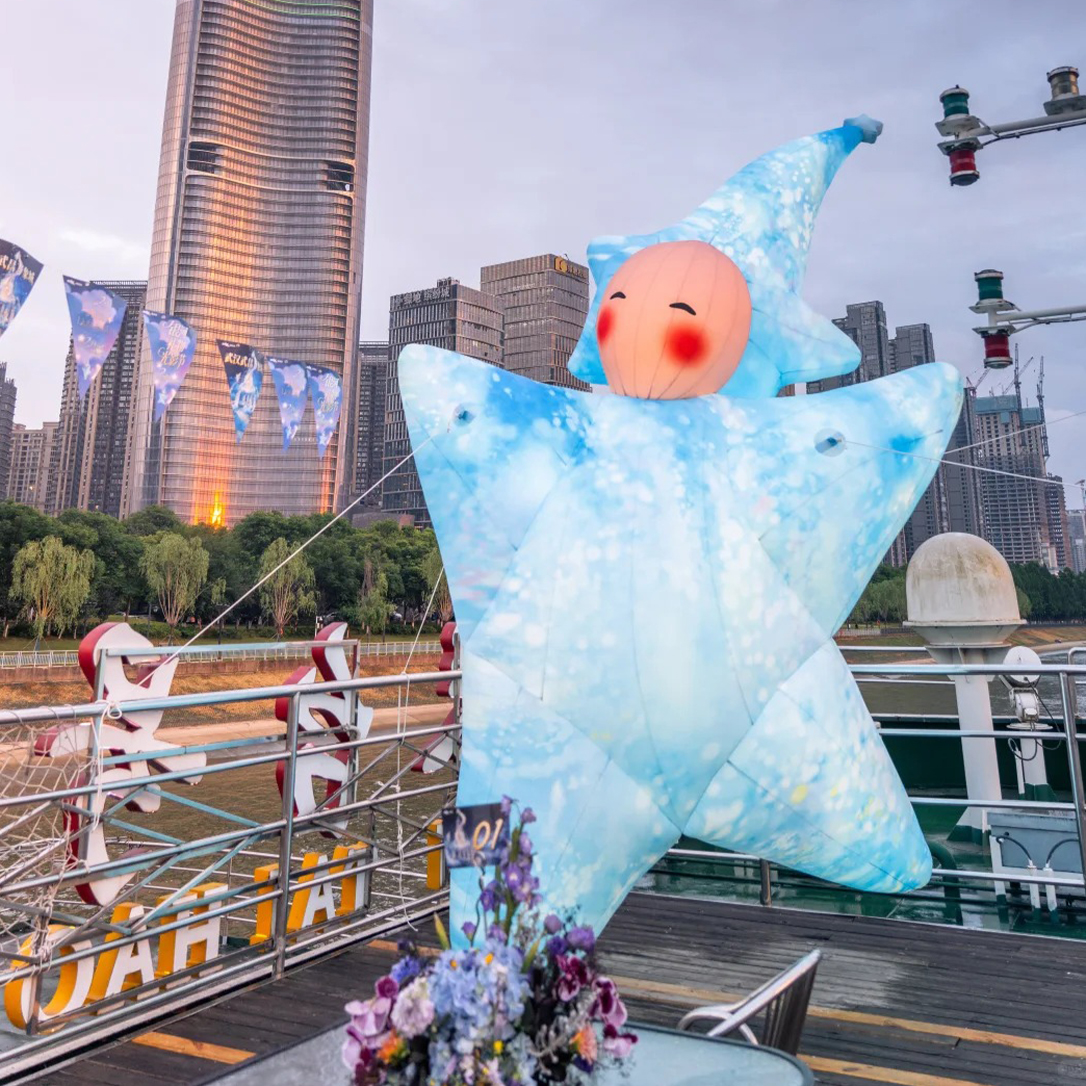
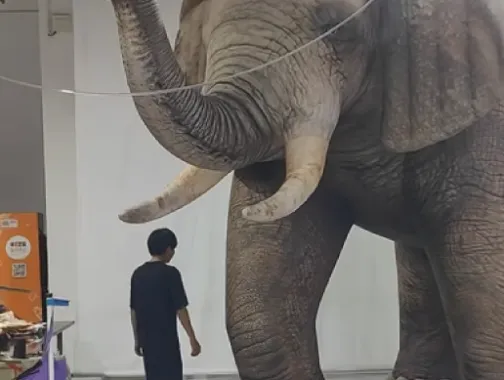
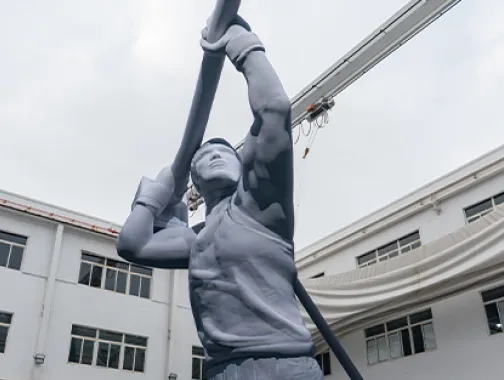
Giant Floating Art Installations
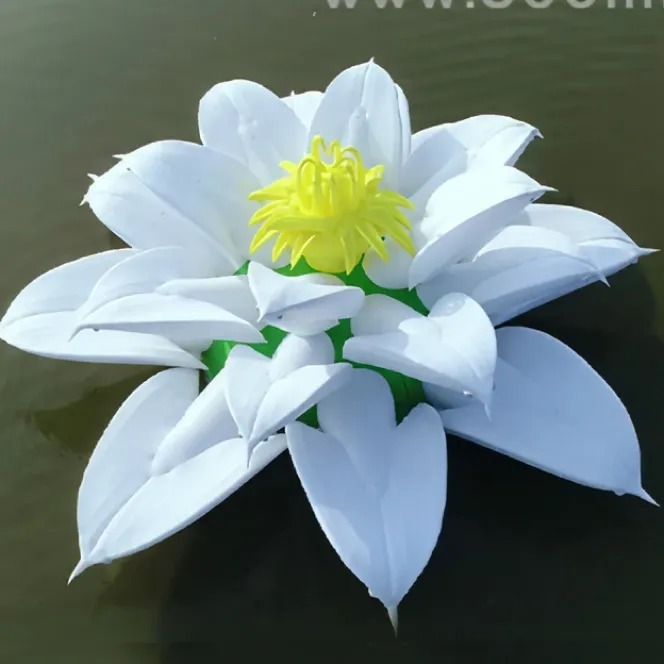

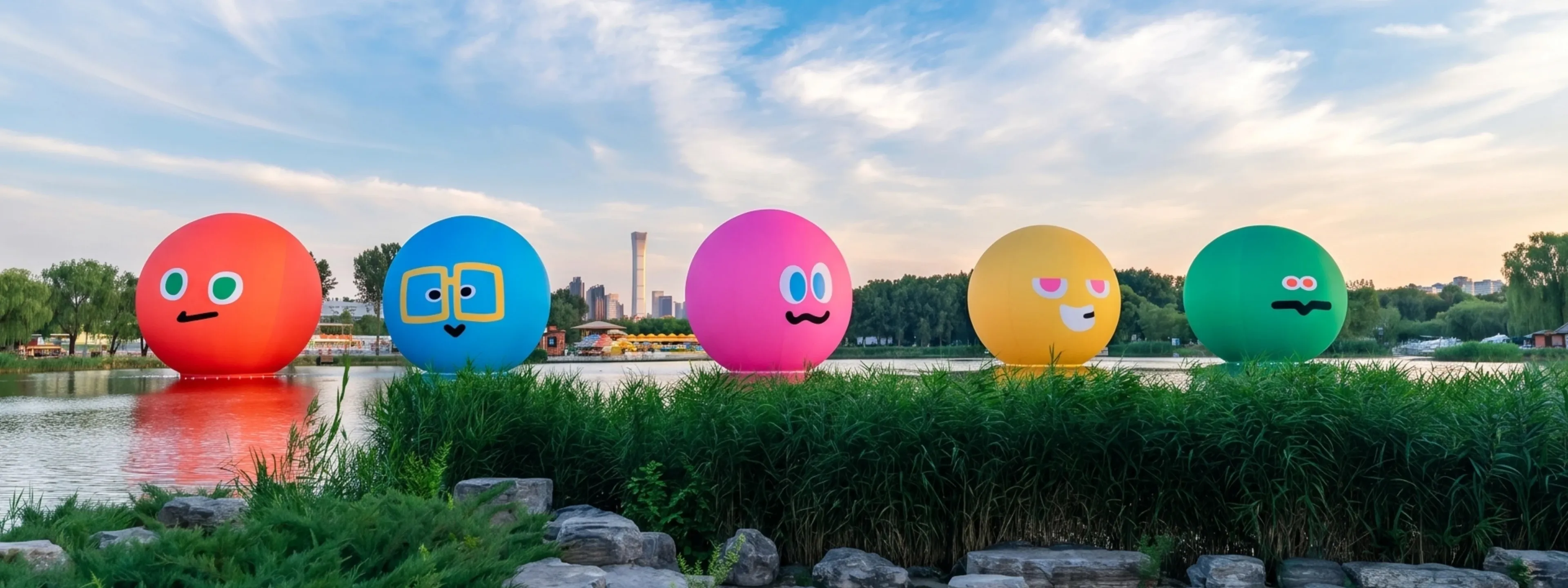
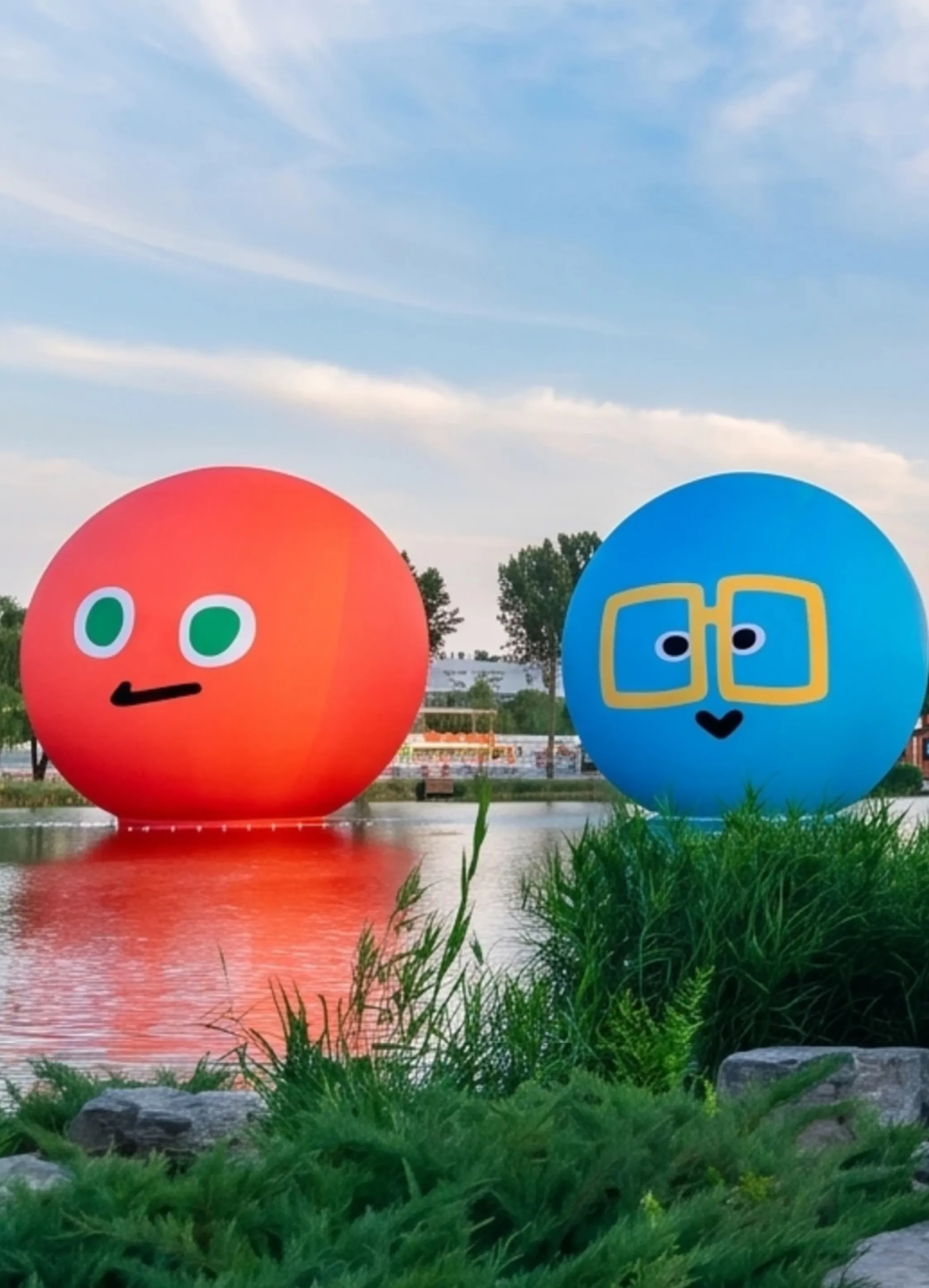
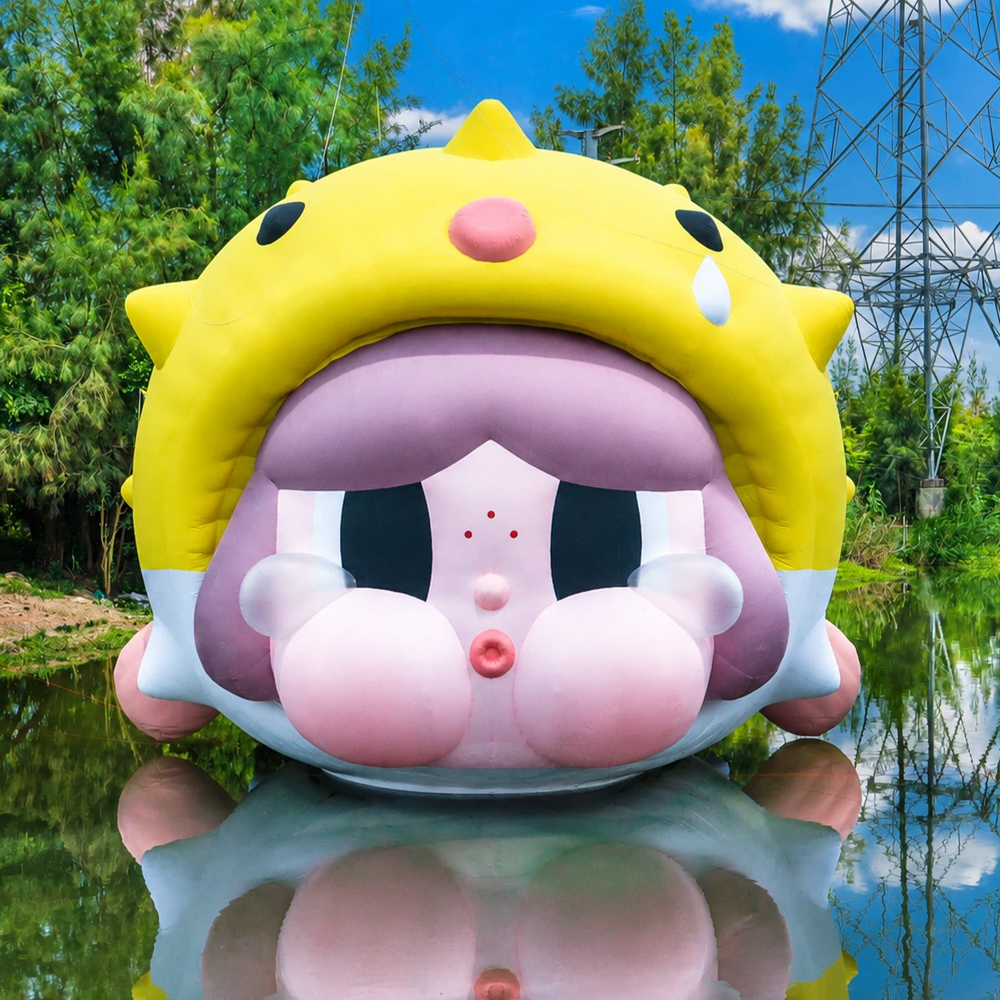
A floating inflatable sits at the intersection of two disciplines most manufacturers cannot bridge — large-scale public art and water engineering. The piece has to read as a sculpture from the shoreline, hold its visual identity under shifting light and weather, and stay anchored against wave, wind, and current for the entire deployment window. We have spent twenty years building that intersection into a single production capability.
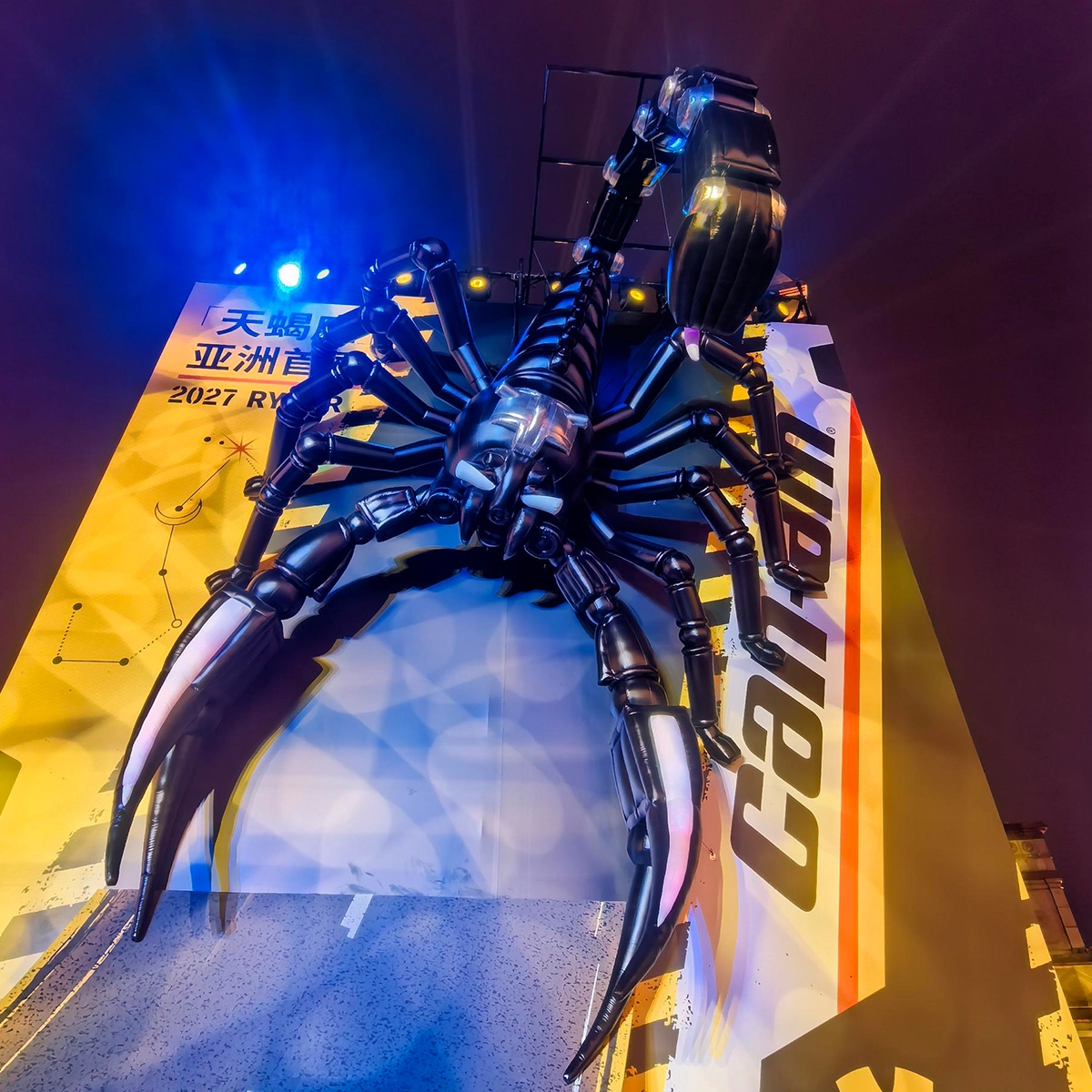
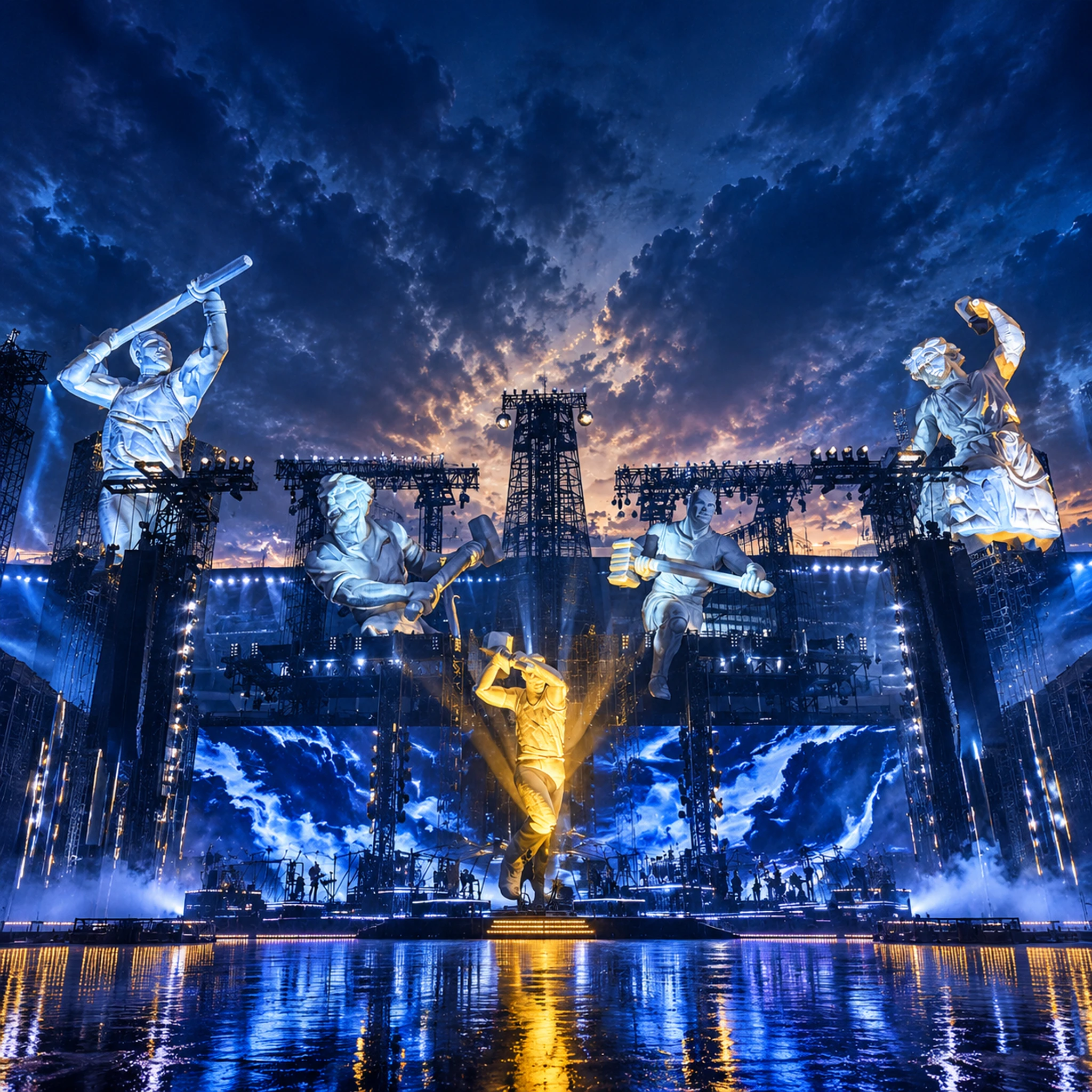
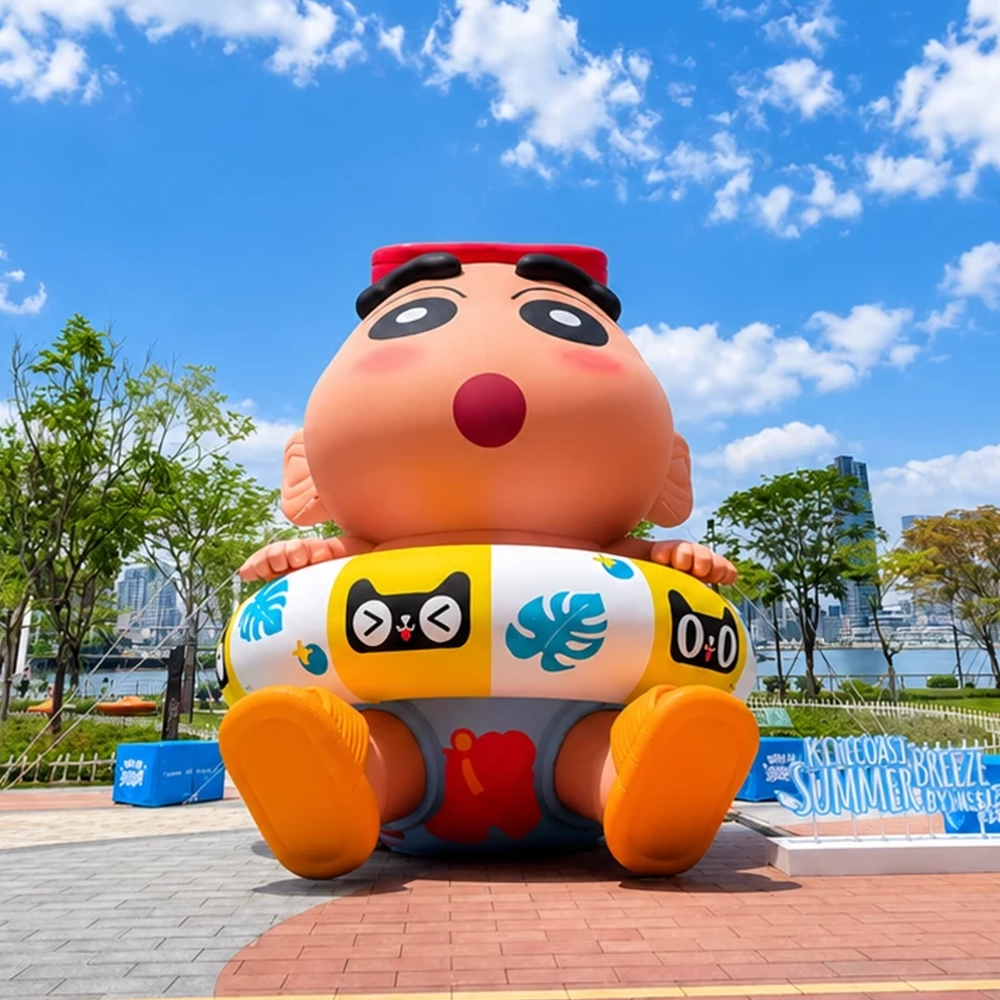
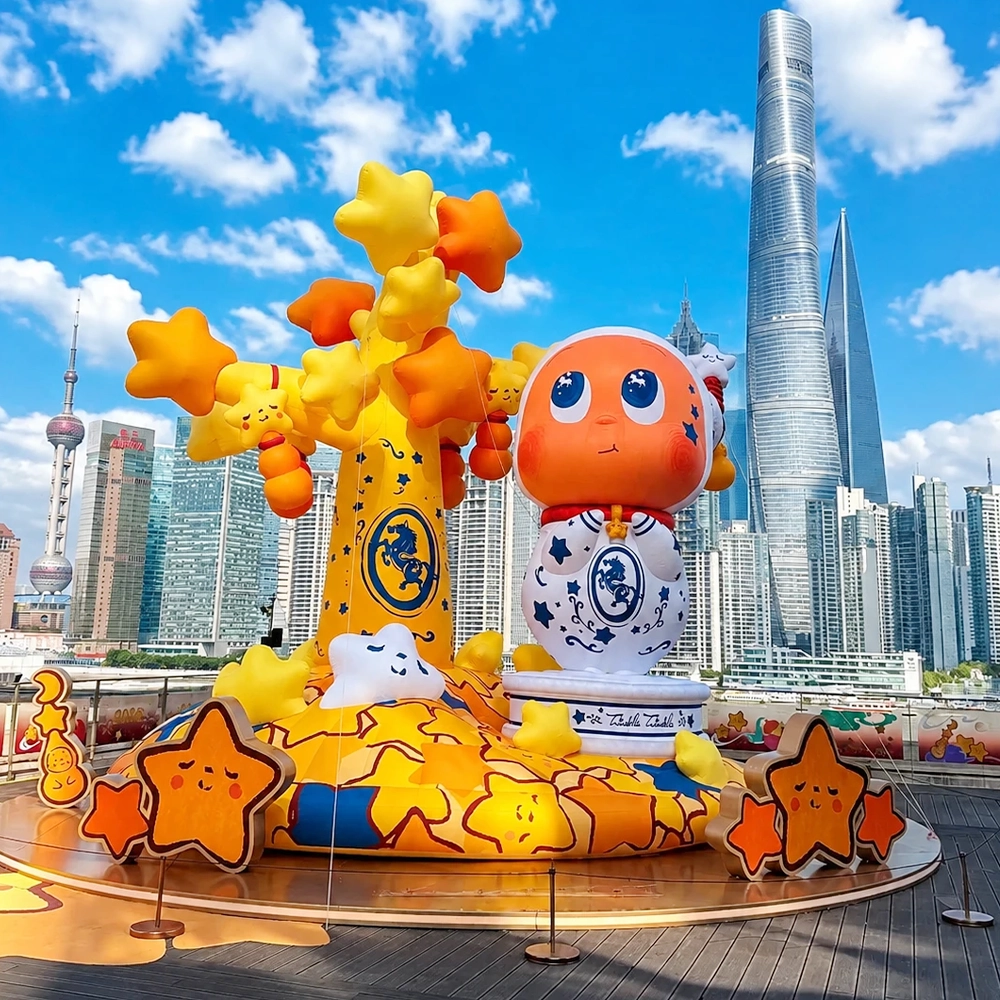
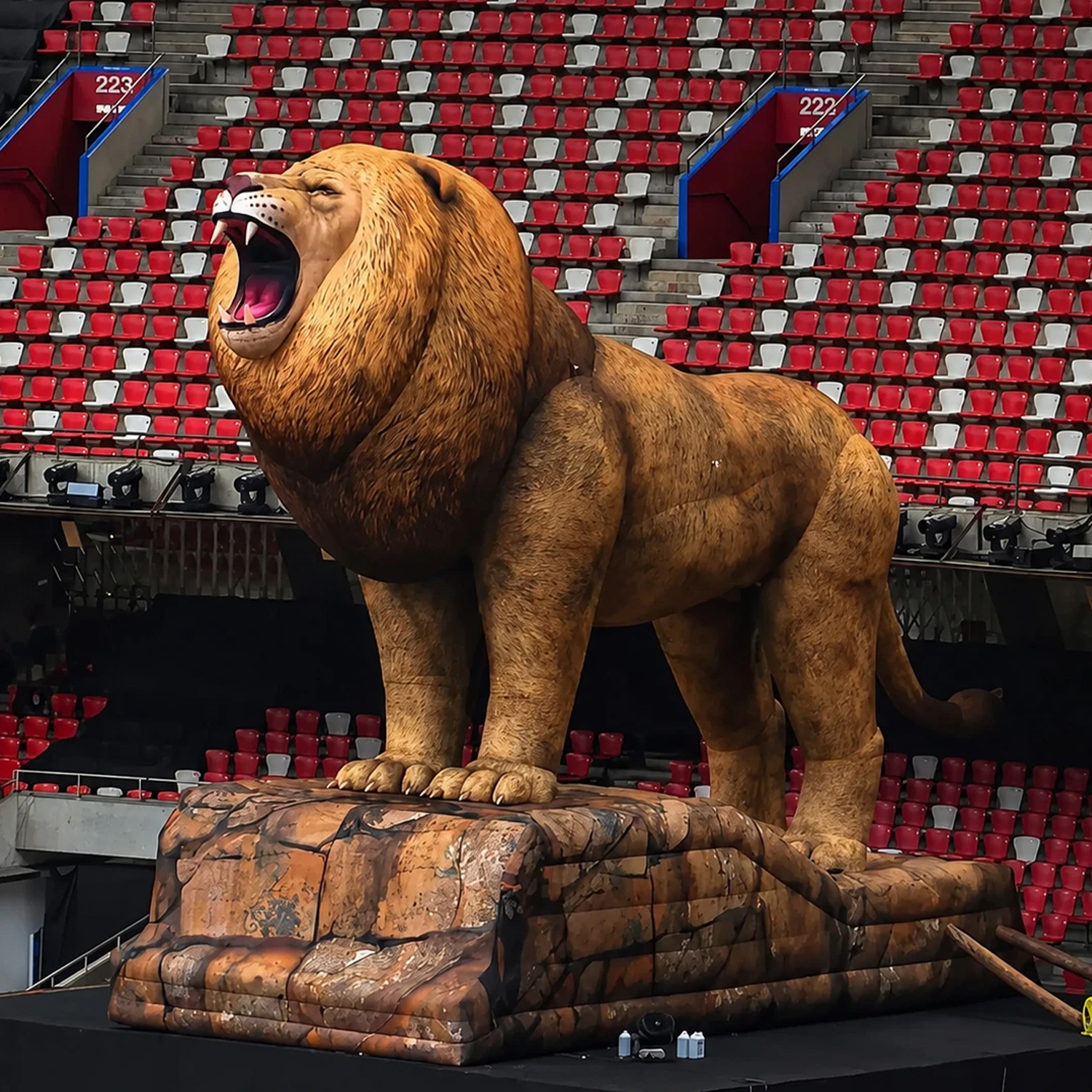
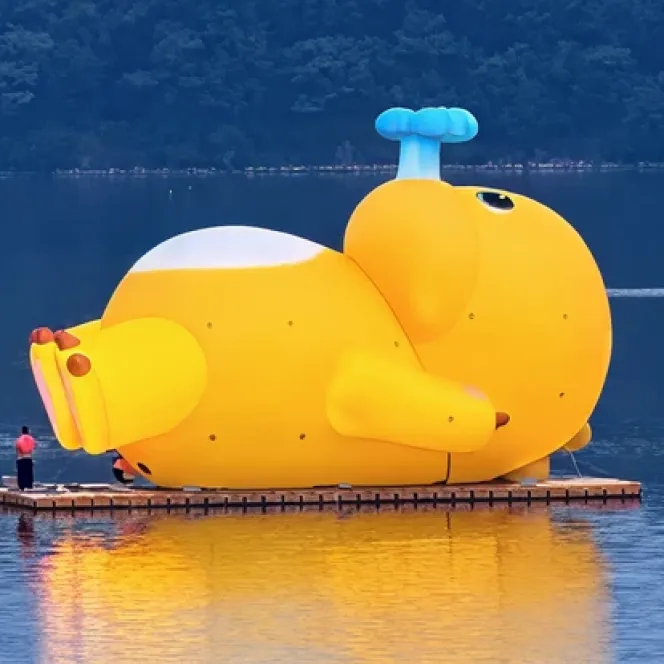
Our floating inflatable works have appeared on city harbors, lake plazas, festival waterfronts, and museum waters — from a 20-meter art duck for Xiaohongshu's Road Life Festival to landmark stage installations for major concert tours. We work with artists, curators, brand teams, and city event organizers to bring large-format water-based inflatable concepts from sketch to permanent-quality build. Every project is engineered for the water it actually sits on — not generalized, not assumed.
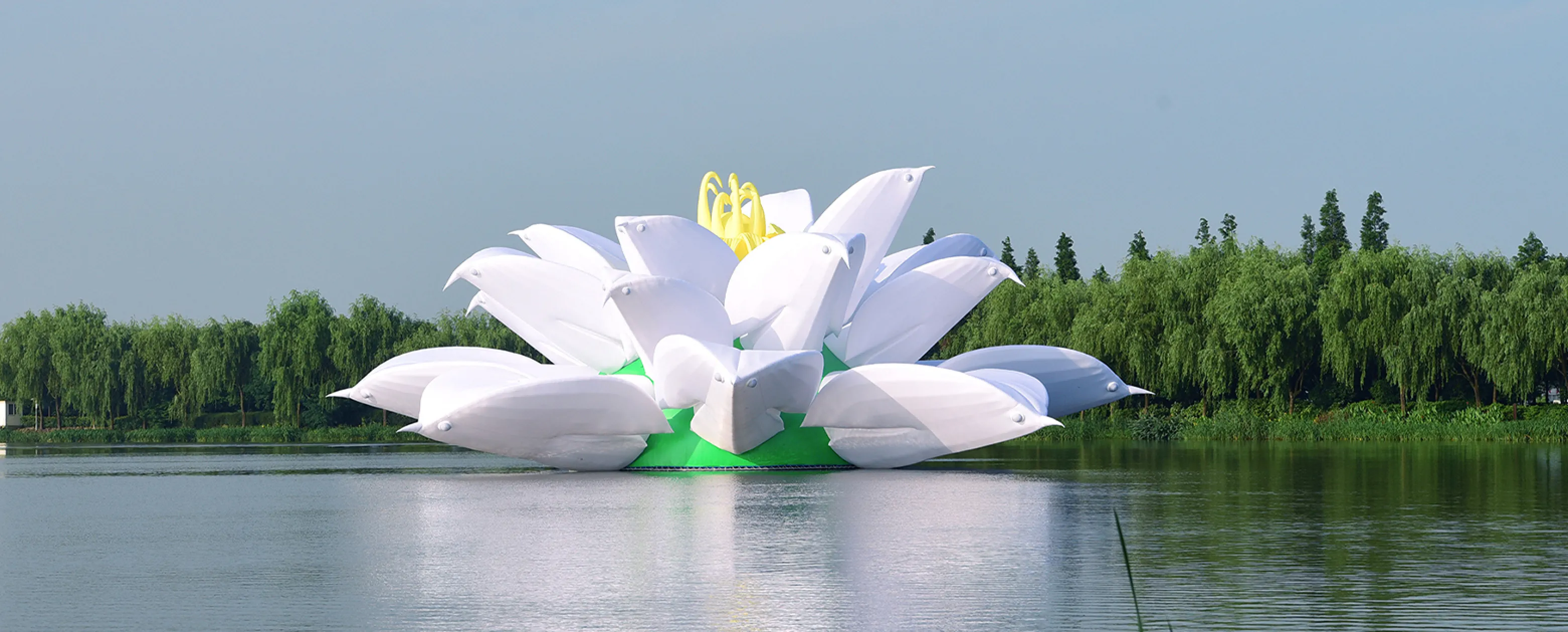
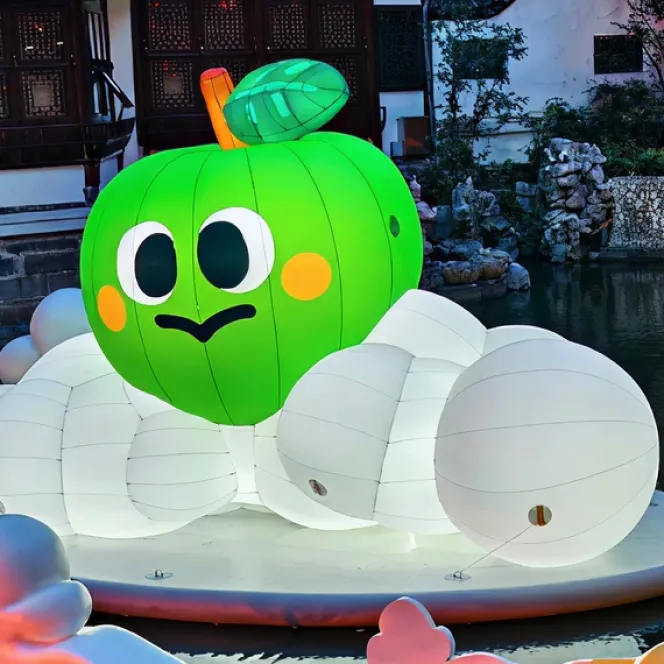
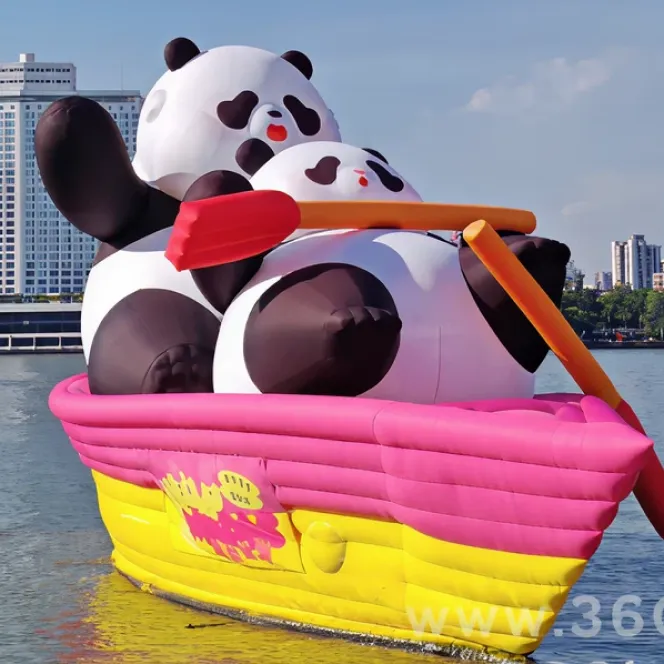
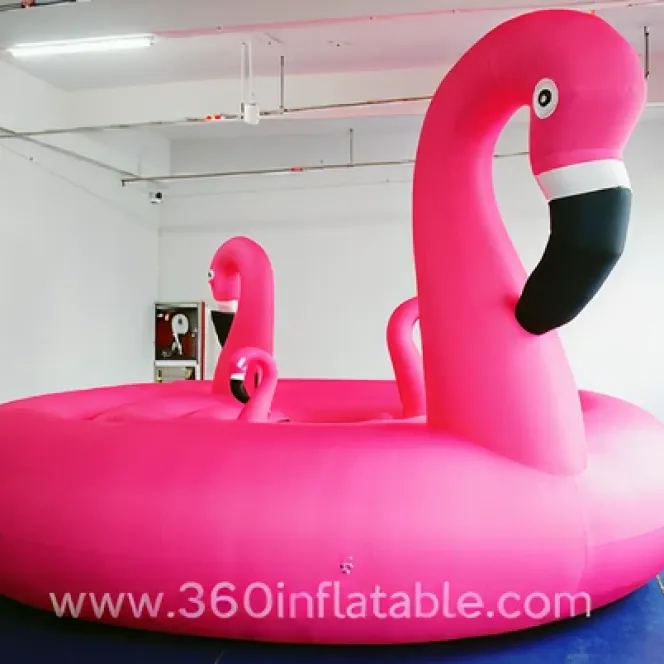
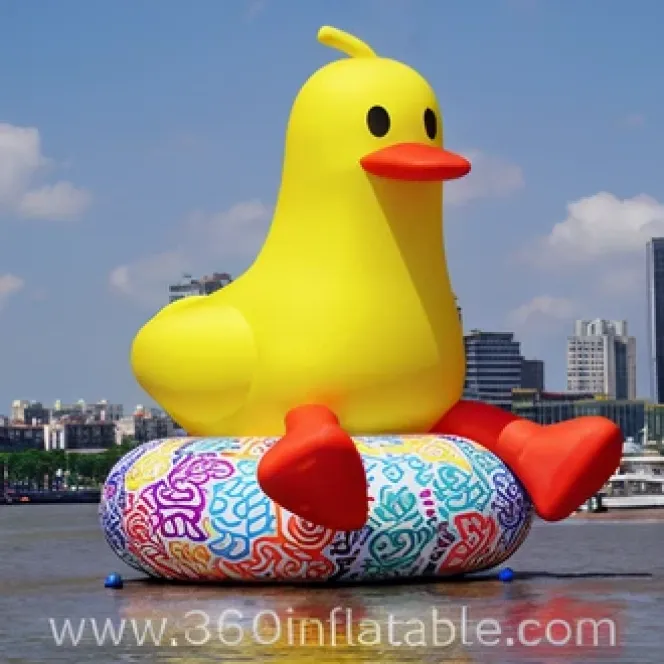
| Materials | Heavy-duty PVC tarpaulin, double-layer waterproof construction, marine-grade Oxford, mirror PVC (selected by water environment and visual requirements) |
|---|---|
| Size Range | 3m – 30m+ across, fully custom; multi-element compositions supported |
| Process | 3D modeling, structural and buoyancy engineering, dye-sublimation printing, double-layer welded seams, hand-finished art detailing |
| Seam Construction | Double-stitched and high-frequency welded seams for water-tight performance; reinforced base buoyancy chambers |
| Inflation | Marine-grade continuous-run blower with weatherproof housing; redundant backup configuration for landmark installations |
| Water Anchoring | Float anchor systems, ballast weights, shore-line tethering — designed per body of water (lake, harbor, reservoir, river) |
| Wave & Wind Resistance | Stable in waves up to 0.5m and winds to 38 km/h; project-specific reinforcement for higher exposure |
| Night Visibility | Optional internal LED systems for after-dark display; programmable RGB and DMX options available |
| Lead Time | 30 – 60 days depending on scale, art complexity, and engineering depth |
| Certification | CE, UL |
| Warranty | 12 months, with extended coverage available for landmark and multi-deployment projects |
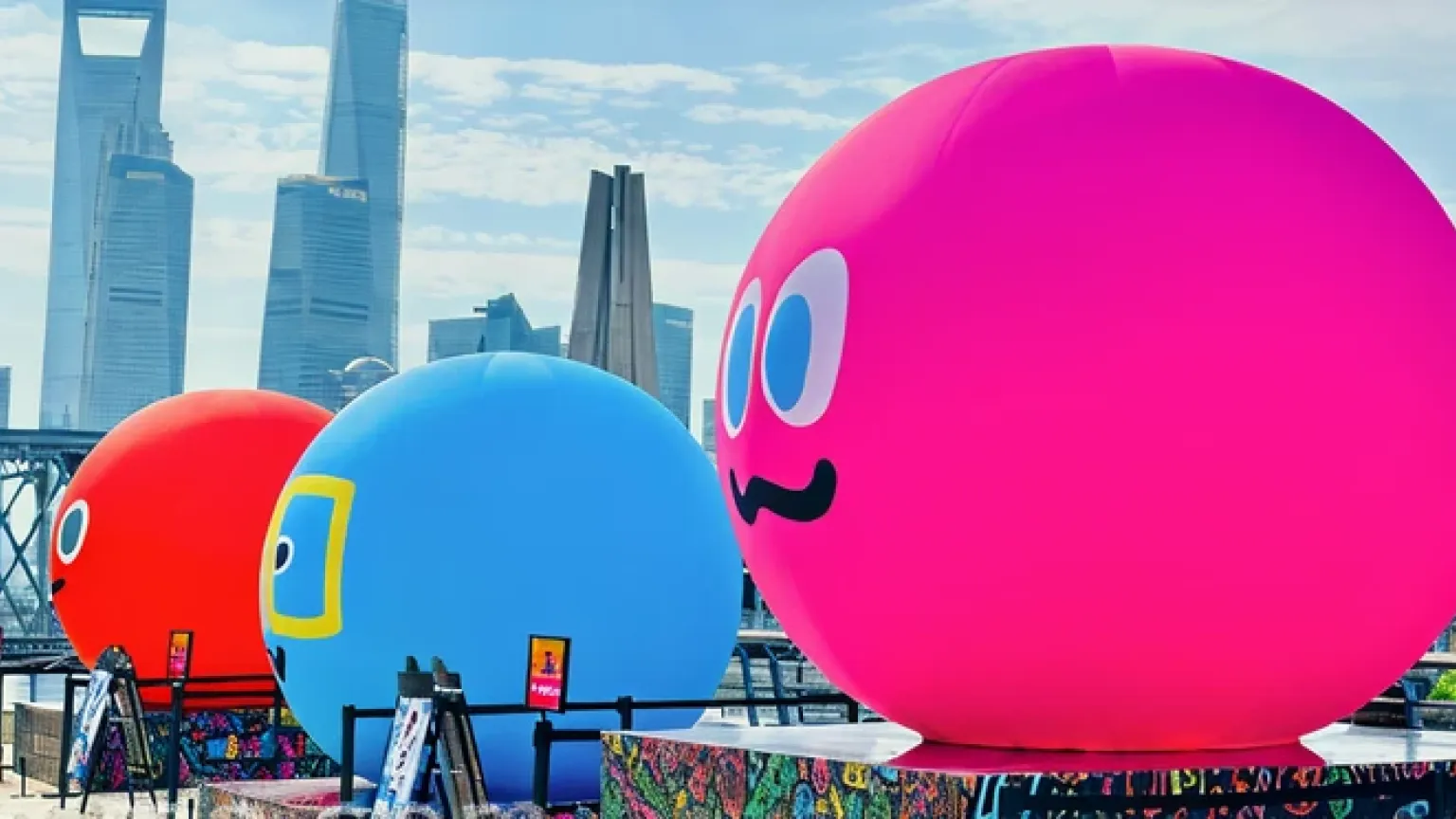
A floating inflatable is a piece of public art before it is a product. The form has to compete with the scale of the water itself — to hold its silhouette against an open harbor, a reflective lake, a festival cove. We work upstream of the build: with artists, curators, and creative teams to refine the concept, render the form, and validate that the visual reads at the distances your audience will actually experience it from.
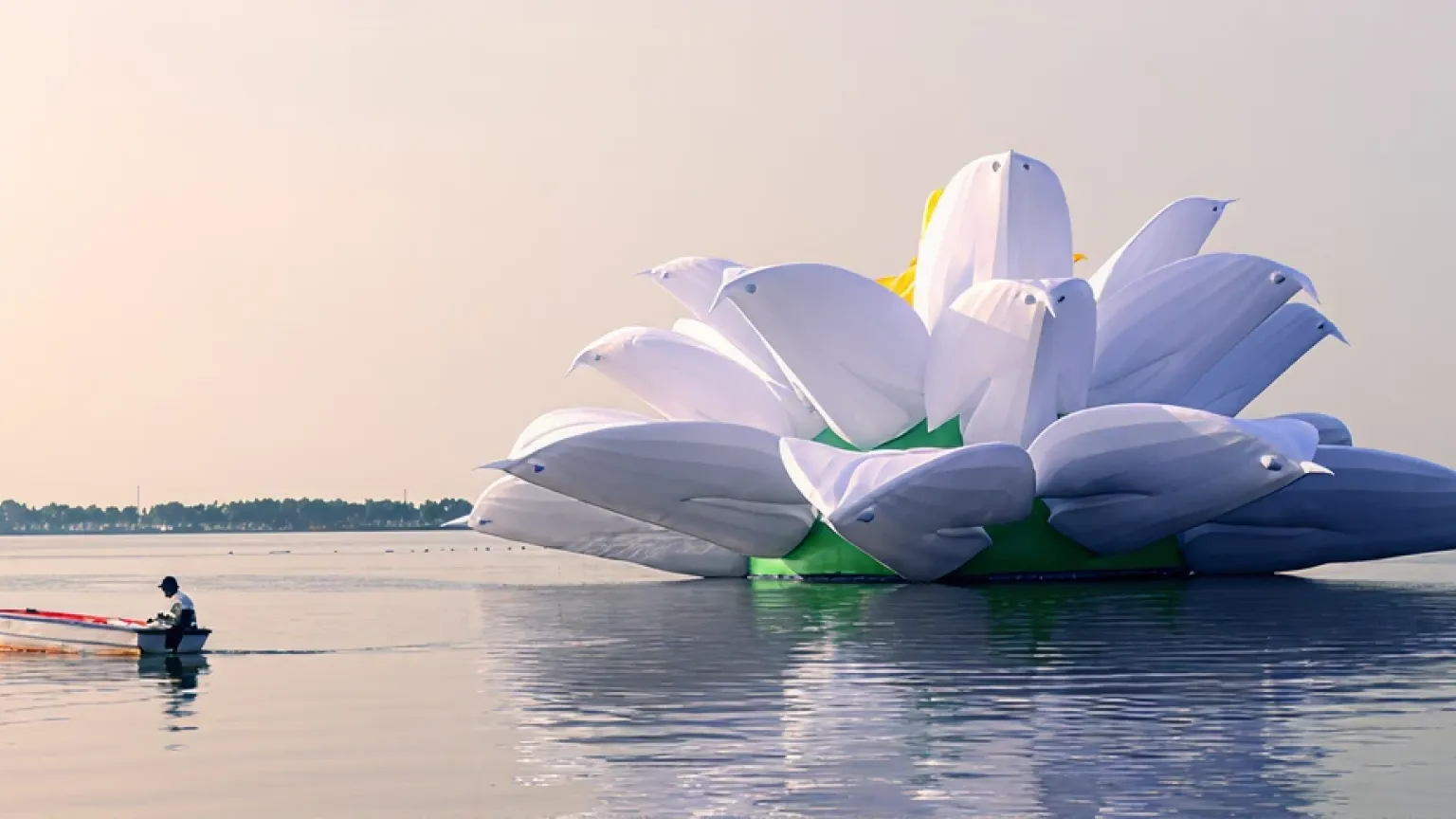
The challenge of water-based inflatables is not visual — it is engineering. Floating stability, anchor design, buoyancy distribution, internal air circulation, water-tight seam construction, and weather resilience all matter. We engineer for the specific lake, harbor, or festival waterfront the piece will sit on — accounting for wave height, wind exposure, current, depth, and shoreline conditions before any fabric is welded.
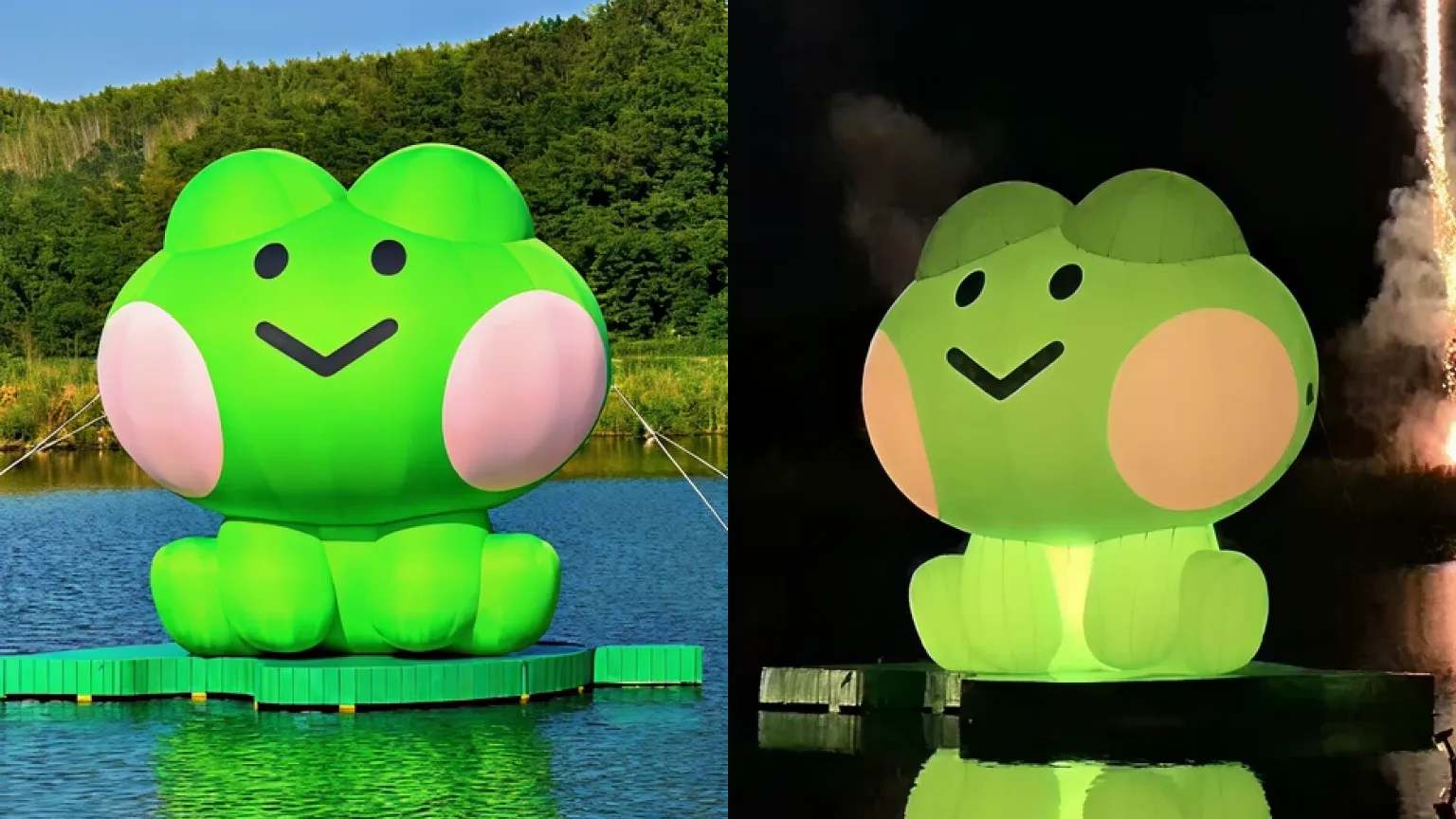
The strongest floating installations work twice — once in daylight when material, color, and reflection on water define the image, and again at night when internal lighting transforms the same piece into a glowing waterfront landmark. We design for both moments from the start. Material selection, surface finish, internal lighting layout, and color choreography are coordinated so the work delivers across the full deployment window.
Commercial water inflatables (pool toys, advertising floats) prioritize cost and standardization. Floating inflatable art installations are engineered as site-specific public art — the form, materials, anchoring, internal systems, and lighting are all custom-designed for a single project. Our floating works are built to the engineering standards expected of a landmark public art piece, not commodity products.
Anchoring depends entirely on the body of water. For lakes and harbors, we use a combination of float-anchor systems beneath the structure and shore-line tethering. For reservoirs or controlled basins, ballast weights tethered to fixed points handle wave displacement. For river installations, current-resistant anchor configurations are engineered with the site's flow data. The anchoring plan is part of the engineering deliverable, not an afterthought.
Yes, with proper engineering. Our largest landmark projects have stayed deployed for 2 to 6 weeks on continuous display. For extended deployment (multi-month), we use marine-grade materials, enhanced UV treatment, and a redundant blower configuration so the air system never goes down. For permanent installations (12+ months), we recommend project-specific consultation since long-term water exposure has different engineering requirements.
Each water environment changes the engineering. Calm lakes are the most straightforward — standard buoyancy and shore tethering. Open harbors face waves and wind, requiring reinforced anchoring and current-aware design. Reservoirs may have water-level fluctuations requiring float-adjusted tethers. Saltwater requires marine-grade materials due to corrosion. We validate the specific water environment as part of project intake.
With proper anchoring, our floating works handle waves up to 0.5m and winds to 38 km/h without intervention. The internal air pressure system maintains shape against wave motion. In extreme weather (wave height above 0.5m or sustained wind above moderate), we recommend monitoring protocols and, for high-exposure sites, can engineer enhanced anchoring or temporary deflation procedures.
Internal LED systems are integrated during the 3D modeling stage. For floating works, the lighting needs to function in a water-environment housing — sealed, waterproof, and stable through the deployment window. We offer single-color, RGB color-changing, and DMX-controlled programmable systems. For landmark installations, lighting is choreographed to coordinate with daytime visual identity.
Both. We work as fabricator and engineering partner for artists, curators, and brand creative teams — bringing their concept from sketch to finished work. We also work from established artwork or brand IP to recreate forms at large public scale. Artist collaborations include NDA-protected development, multi-round concept refinement, and material consultation throughout the design phase.
Floating inflatables pack down compactly for transport — even a 20m work folds into a containerized package. Deployment requires coordination with the host site: water access, support boat or pontoon for positioning, anchor point installation, and inflation crew. For major projects, our on-site team handles deployment across 40+ countries. Mid-scale projects ship with detailed deployment documentation for local crew execution.
Our largest delivered floating inflatable exceeds 25 meters. Beyond 20m, the project shifts into landmark-scale public art — requiring multi-month engineering, structural review for the specific water body, and on-site deployment crew. Reference points: Florentijn Hofman's Rubber Duck (26m), our own 20m art duck for Xiaohongshu Road Life Festival, and concert tour stage installations are all in the same scale tier.
Standard floating installations: 30 to 45 days. Complex landmark-scale projects with custom engineering, multi-material art finish, and integrated lighting: 45 to 60 days. Artist collaborations or projects requiring custom material specifications can extend further. The 3D rendering and engineering review stages typically account for the first 2 to 3 weeks before fabric is welded.
Large-scale floating inflatable art is one of the most demanding categories in the inflatable industry. The visual standard is set by works like Florentijn Hofman's Rubber Duck — a 26-meter sculpture that has toured Hong Kong, Sydney, Auckland, Sao Paulo, and Pittsburgh. The engineering standard is shaped by every project that has failed in front of a city audience. This section covers what we have learned across two decades of large-scale floating projects, and what clients should think about before commissioning one.
Floating inflatable art lives at the intersection of two specialized disciplines that most manufacturers treat as separate problems:
Suppliers that handle only one of these produce floating works that look good on the day of launch but fail under sustained deployment, or works that survive the water but read poorly to the audience. The integration of both is what defines landmark-grade work.
For a landmark floating project, six engineering decisions get locked in before the artwork is even refined:
| Decision Point | What Drives It | Why It Matters |
|---|---|---|
| Water environment | Lake, harbor, reservoir, ocean, river | Determines anchoring, material, and current handling |
| Deployment duration | Days, weeks, multi-month | Defines material grade and redundancy needs |
| Wave and wind exposure | Sheltered cove vs. open water | Sizes anchor system and reinforcement |
| Buoyancy profile | Total mass and weight distribution | Determines internal chamber design |
| Power and air supply | Shore-based or onboard system | Affects cable routing, backup power, blower placement |
| Audience viewing positions | Distance, height, angles | Defines silhouette, color contrast, scale calibration |
The benchmark scale and engineering quality for floating inflatable art is shaped by a small number of major works:
We have delivered work at this scale tier — including a 20-meter art duck for Xiaohongshu's Road Life Festival and landmark inflatables for major brand and concert tour clients. Each project requires the same engineering depth and creative partnership as the international reference works above.
Pricing for floating inflatable art does not follow the per-square-meter logic of standard inflatables. Landmark projects are priced as art-engineering commissions, with cost driven by:
For reference, a single high-end inflatable stage installation for a major Asian concert tour has reported production costs exceeding USD 230,000. Large landmark floating art commissions at 15-meter+ scale typically range from USD 50,000 to seven figures depending on engineering scope and finish requirements.
For an accurate quote and engineering proposal:
With this in hand, we deliver a project-level engineering preview, 3D rendering, and budgetary estimate. For complex landmark commissions, the engineering review and concept refinement stage runs 2 to 3 weeks before the production timeline is locked.