Inflatable Dinosaurs
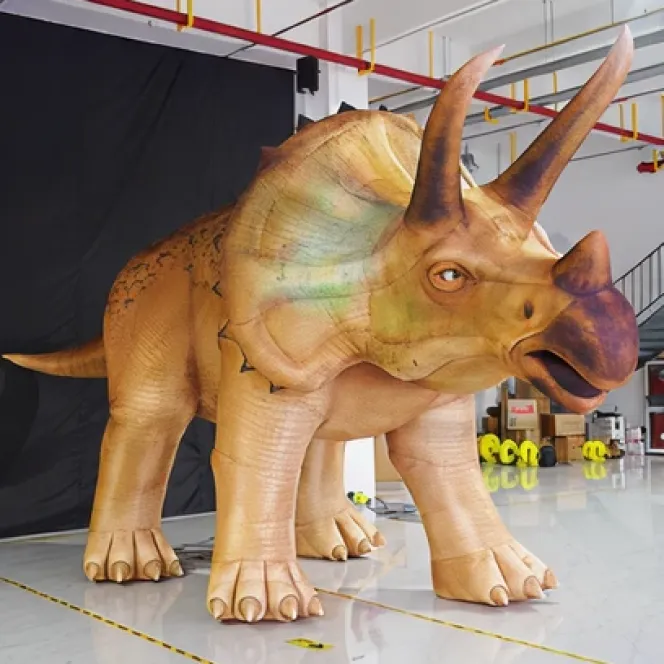

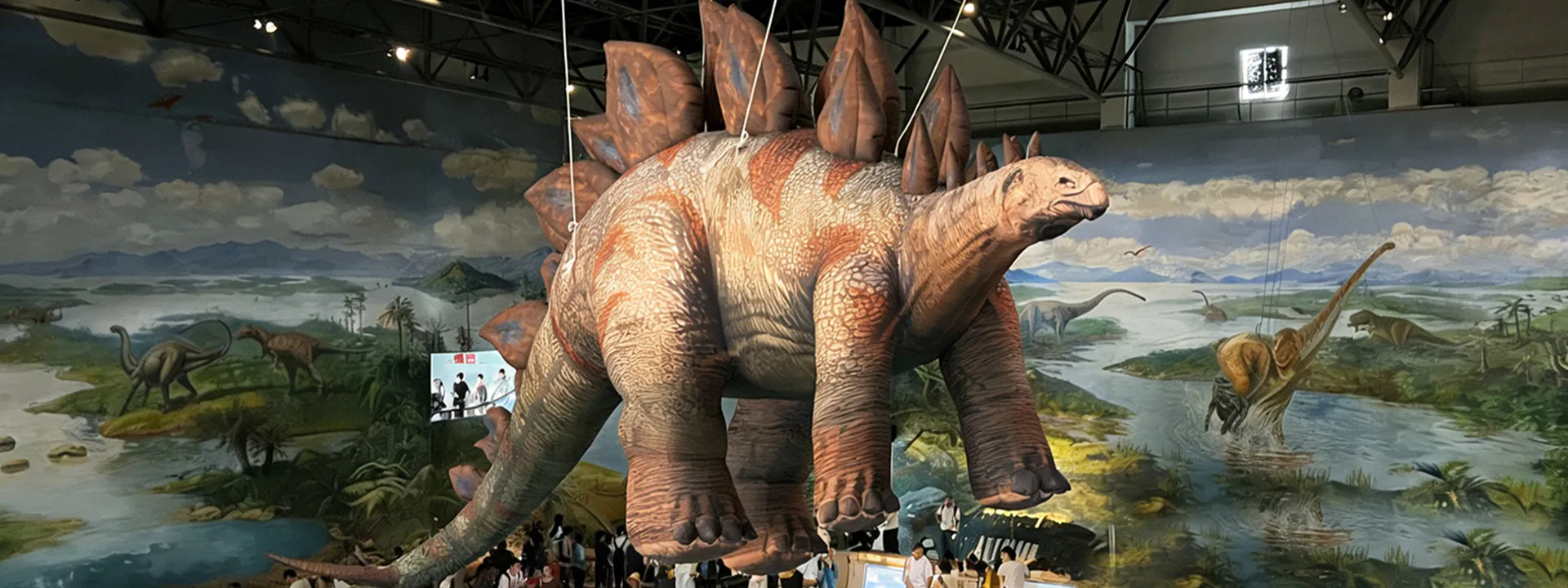
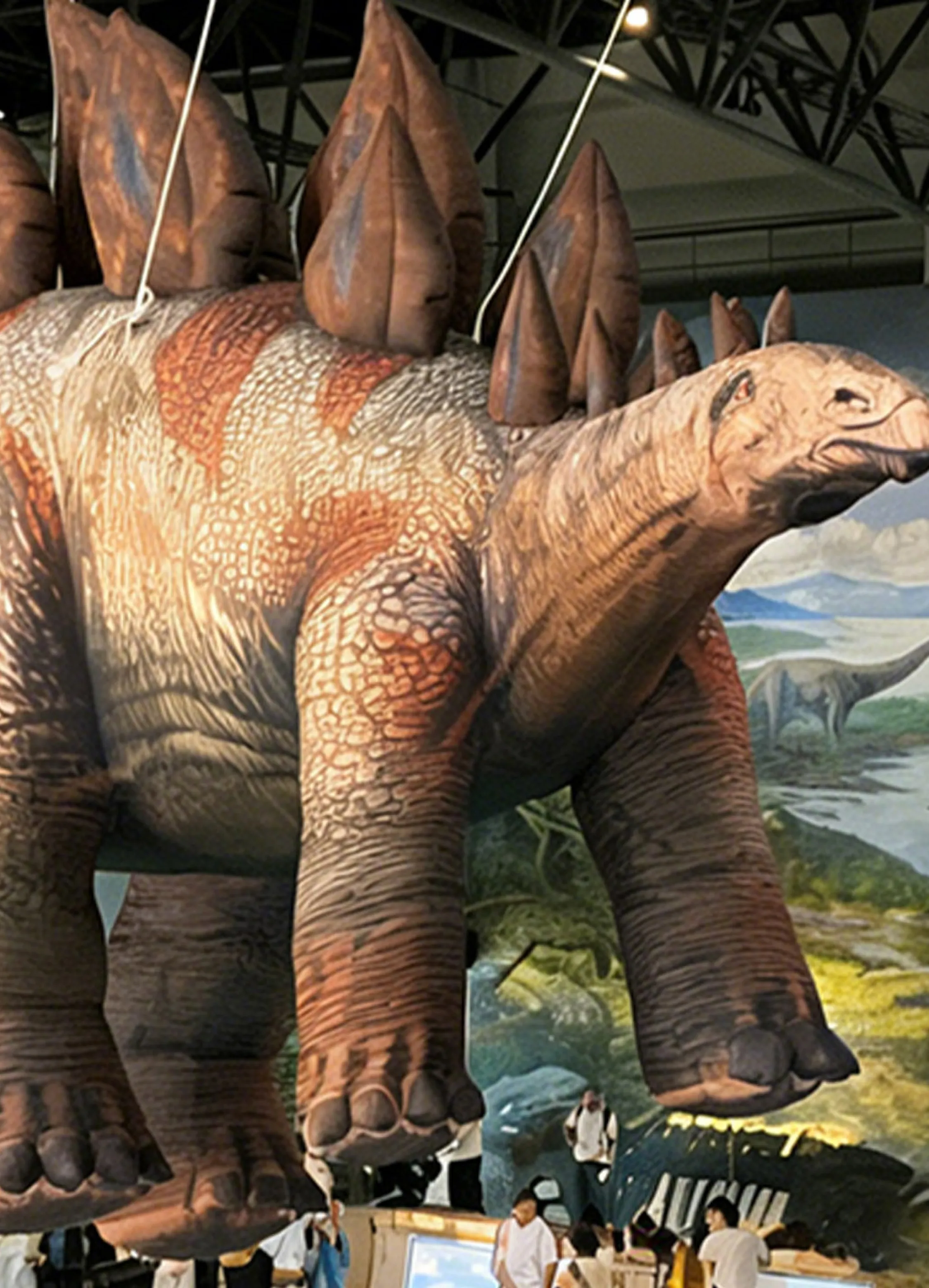
A custom inflatable animal is not a decoration — it is a sculptural reconstruction. Anatomical proportion, surface texture, color rendering, and posture all have to read correctly enough that a six-year-old recognizes the species at first glance and a museum curator approves it for the exhibit floor. That is a different specification than "blow-up character" entirely.
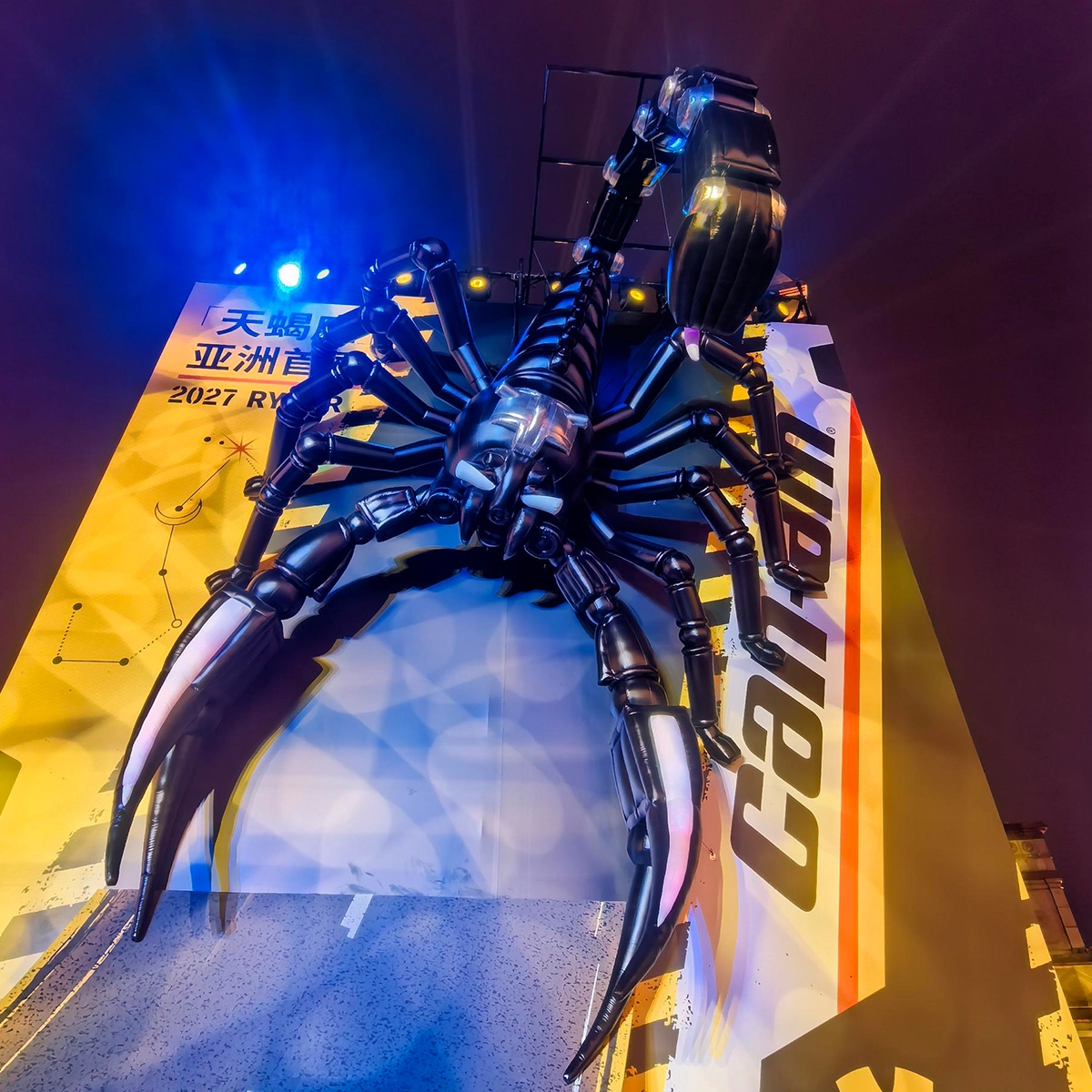
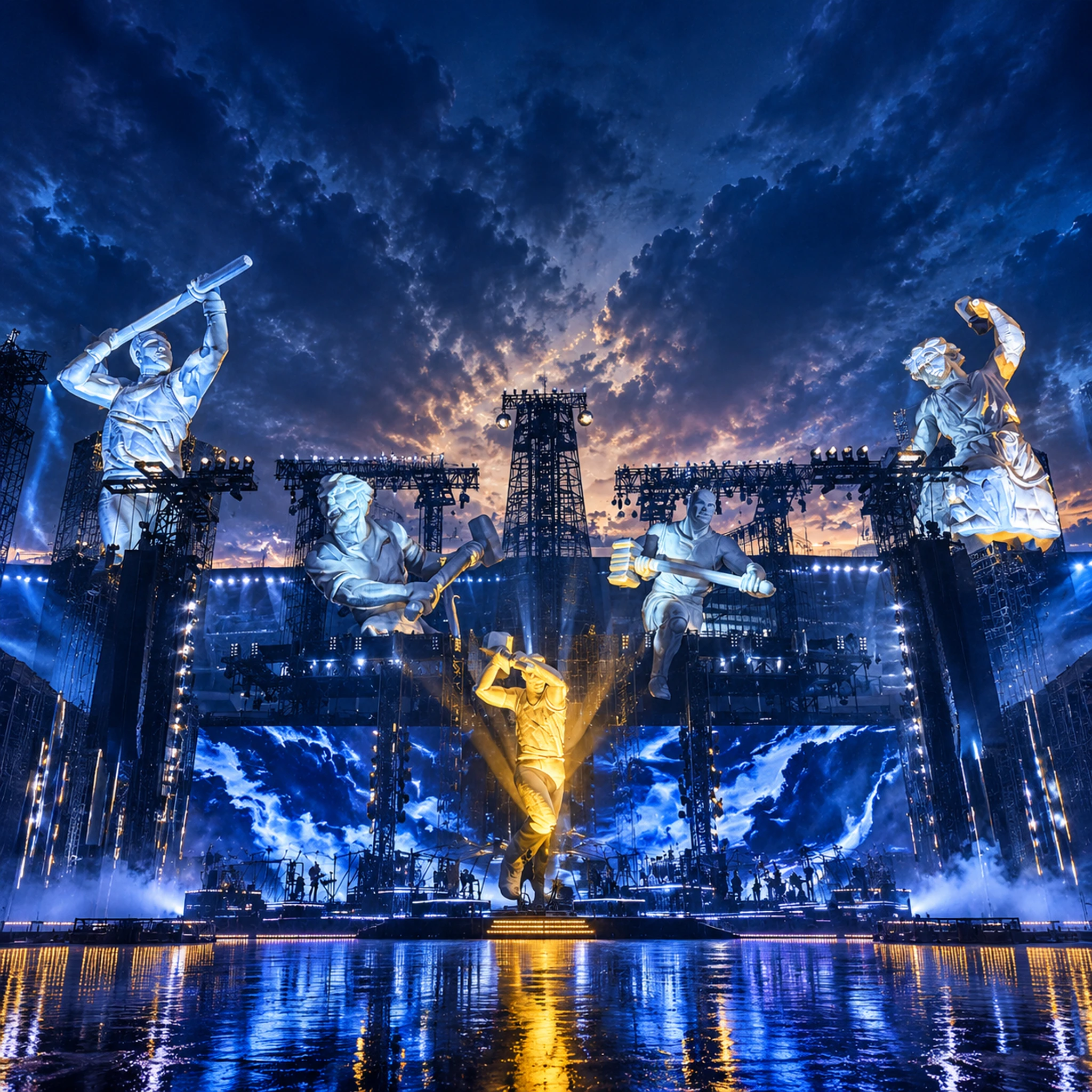
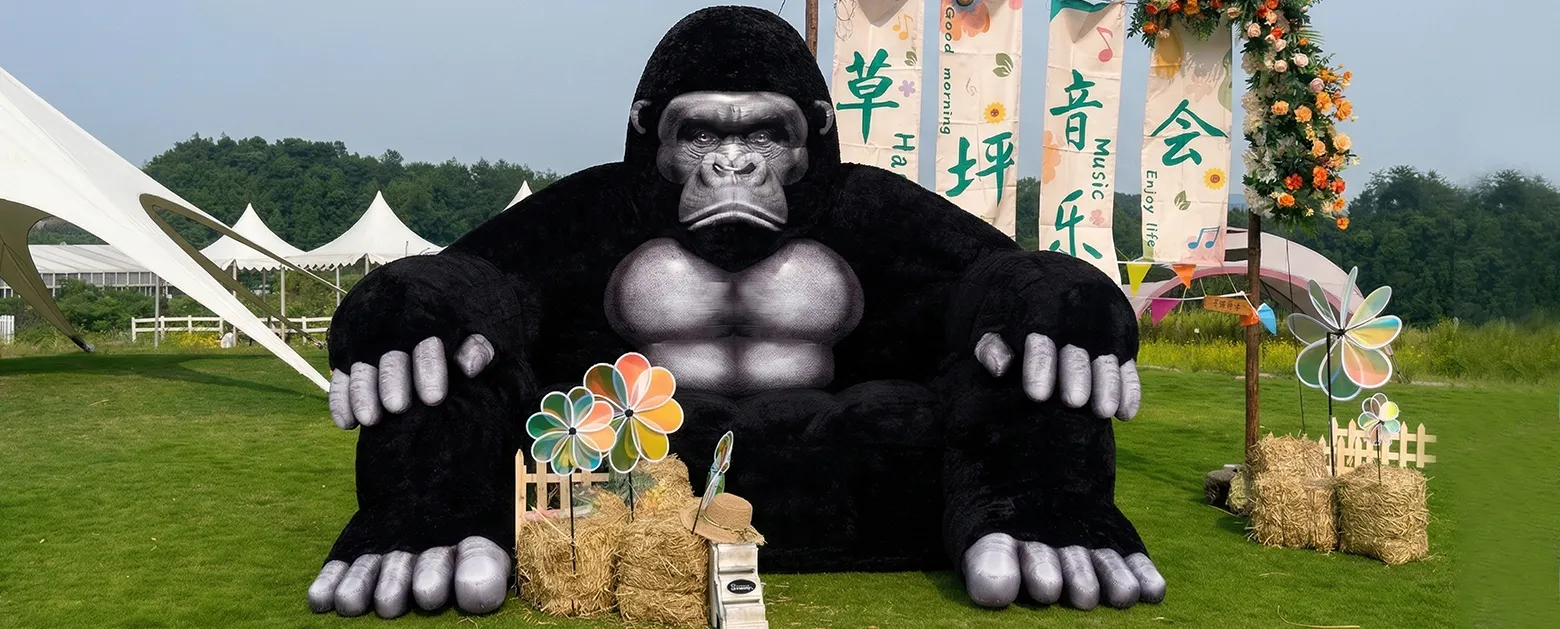
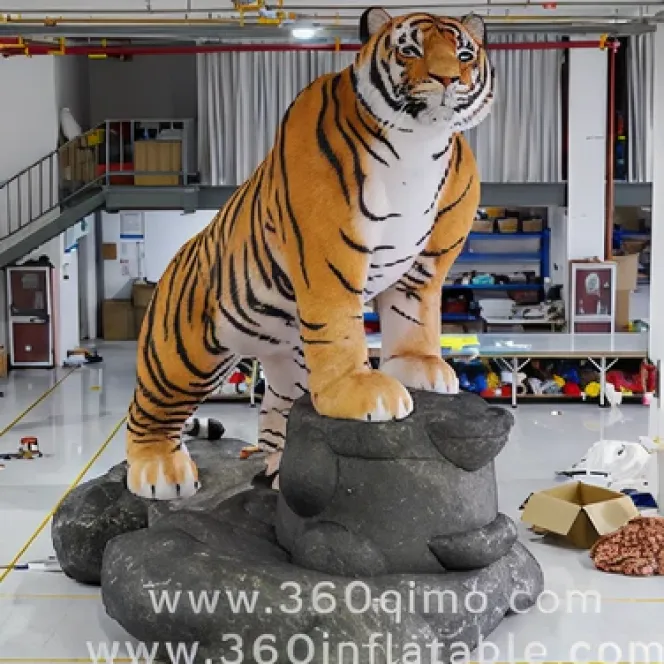
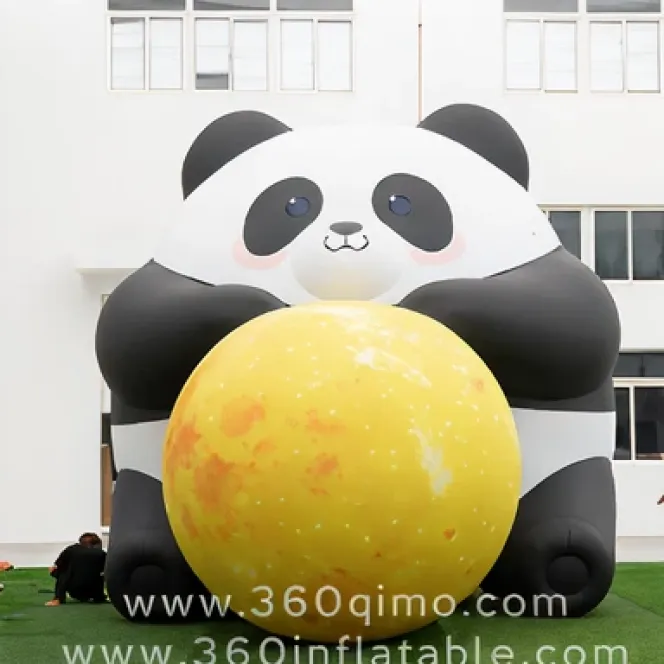
From a 1:1 scale velociraptor for a natural history museum to a 15-meter T-Rex for a brand campaign, an 8-meter blue whale for an oceanic exhibition to a panda for a city landmark — each project follows the same workflow: anatomical reference, 3D modeling, texture and finish development, sample approval, production. The category covers dinosaurs, terrestrial animals, marine life, cartoon animal characters, and giant artistic forms.
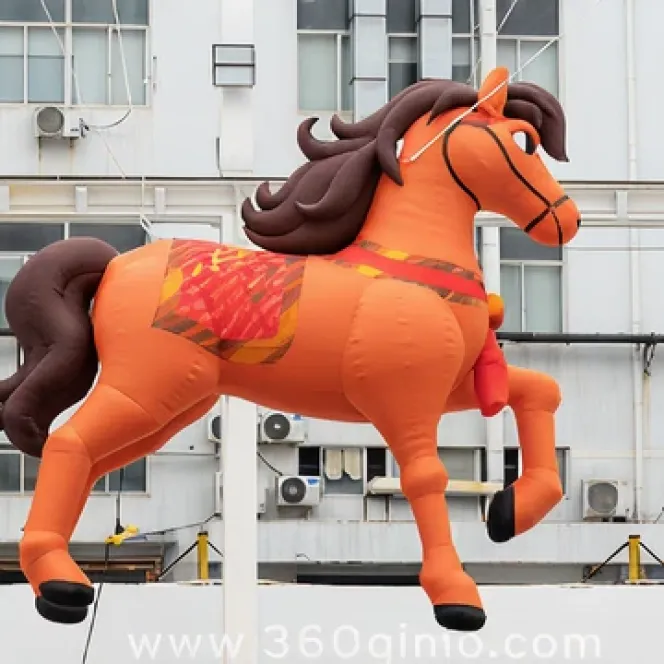
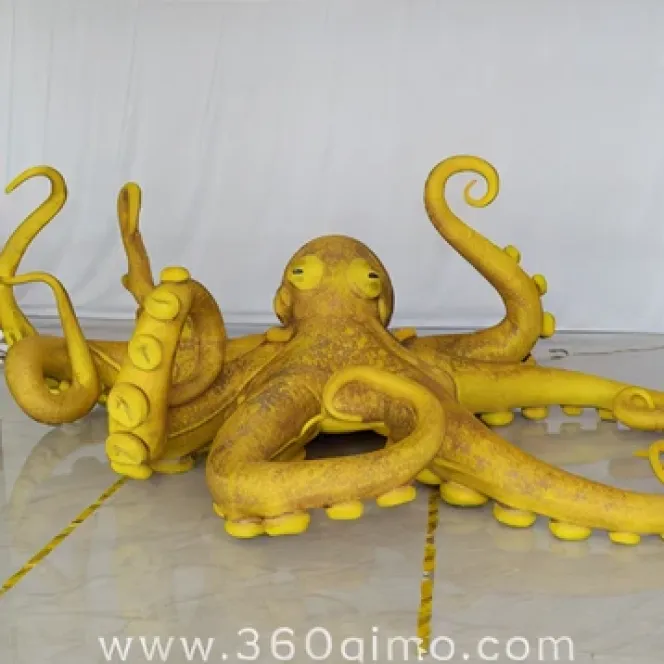
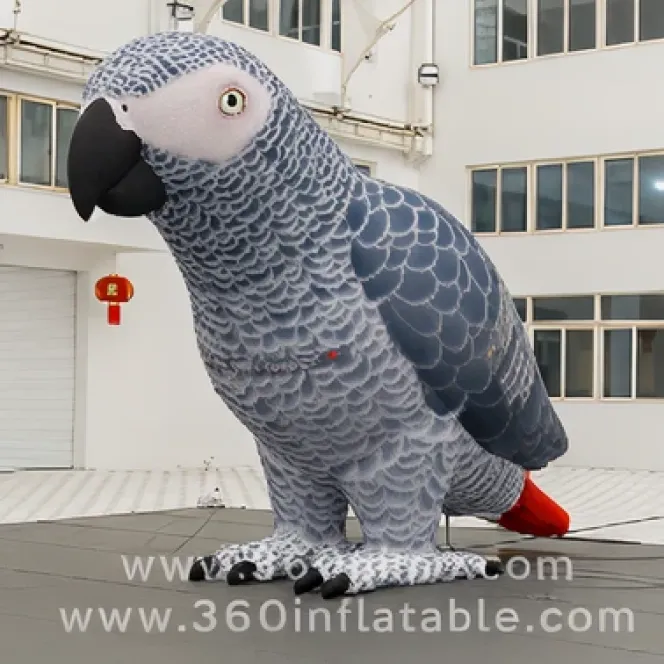
| Materials | Oxford fabric, long plush, mirror PVC, transparent PVC, specialty coated fabric (selected by species and texture target) |
|---|---|
| Size Range | 0.5m – 30m+, fully custom; 1:1 anatomical scale supported for educational and museum projects |
| Process | 3D modeling from anatomical reference, multi-panel pattern, dye-sublimation printing with texture rendering, precision sewing, hand-finished critical detailing |
| Texture Rendering | Scales, fur, skin folds, fin detail, color gradients — printed and hand-finished for close-range visual fidelity |
| Stitching | Double-stitched seams with reinforced bar tacking at joints, claws, fins, and other anatomical stress zones |
| Inflation | Continuous-run blower included, sized to internal volume; 110V / 220V compatible |
| Wind Resistance | Up to 38 km/h with full anchoring; extended anchoring for landmark outdoor installations |
| MOQ | 1 piece, single-piece custom production supported |
| Lead Time | 20 – 40 days depending on size, anatomical complexity, and texture finish requirements |
| Certification | CE, UL |
| Warranty | 12 months |
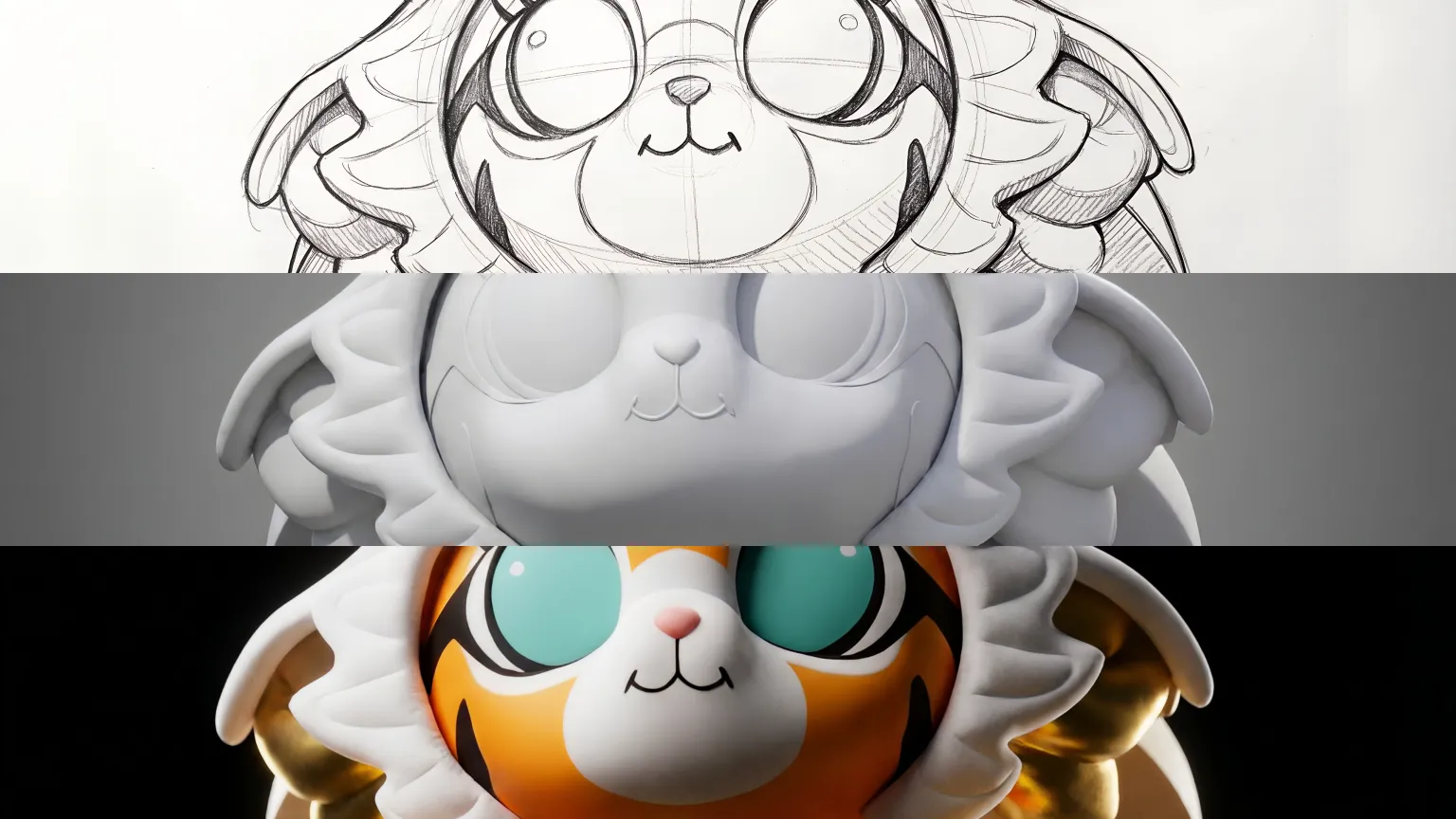
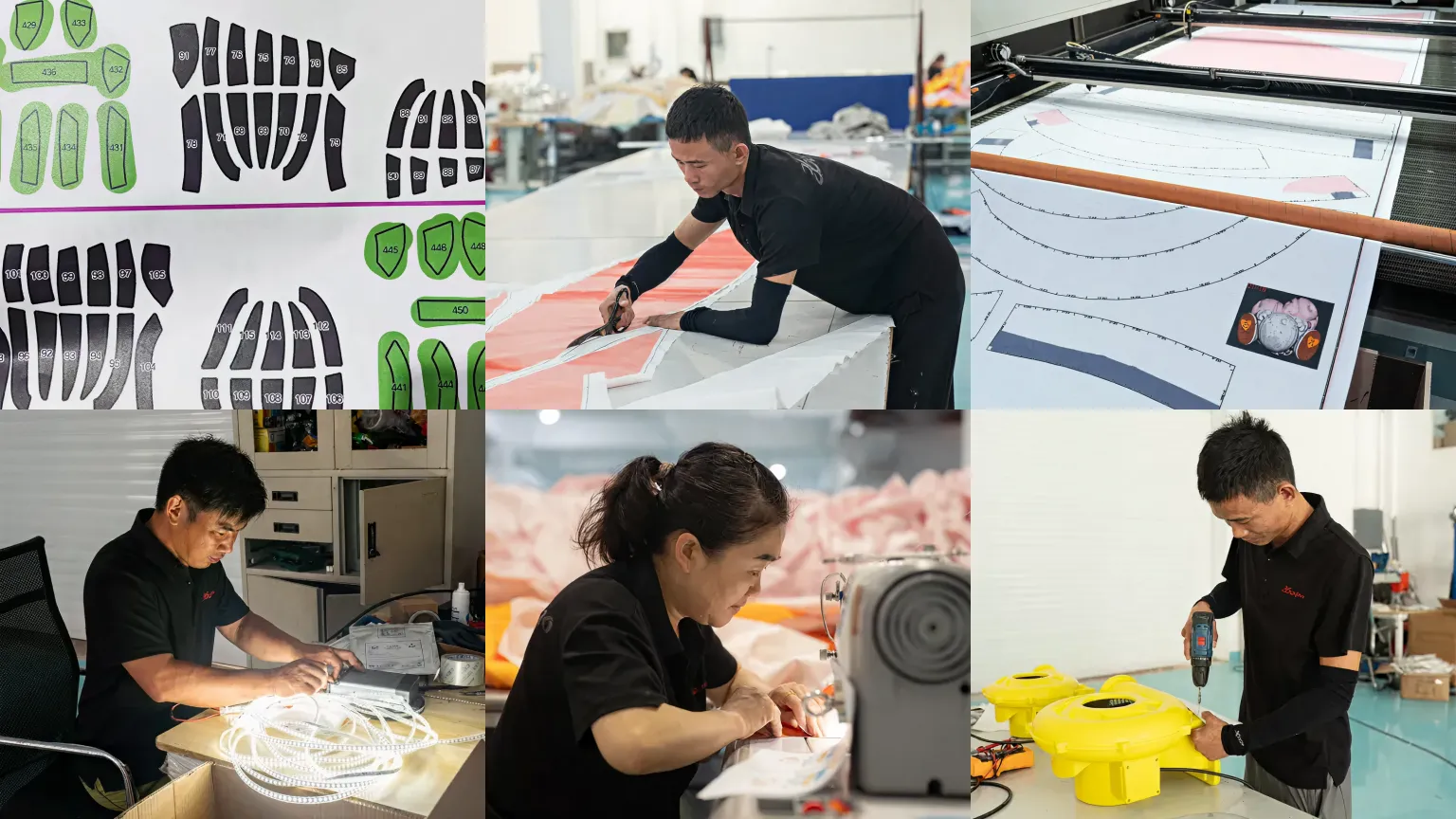
The work starts with reference — anatomical drawings, photo references, museum-grade scientific illustrations, or in some cases your own creative direction. We model the form in 3D with attention to skeletal proportion and muscle volume, refine surface texture and posture, validate at multi-angle preview, then break the form into 50 to 200+ fabric panels with seams routed along natural anatomical lines. This pattern-cutting craft is what separates an inflatable shaped like an animal from an inflatable that reads as that animal.
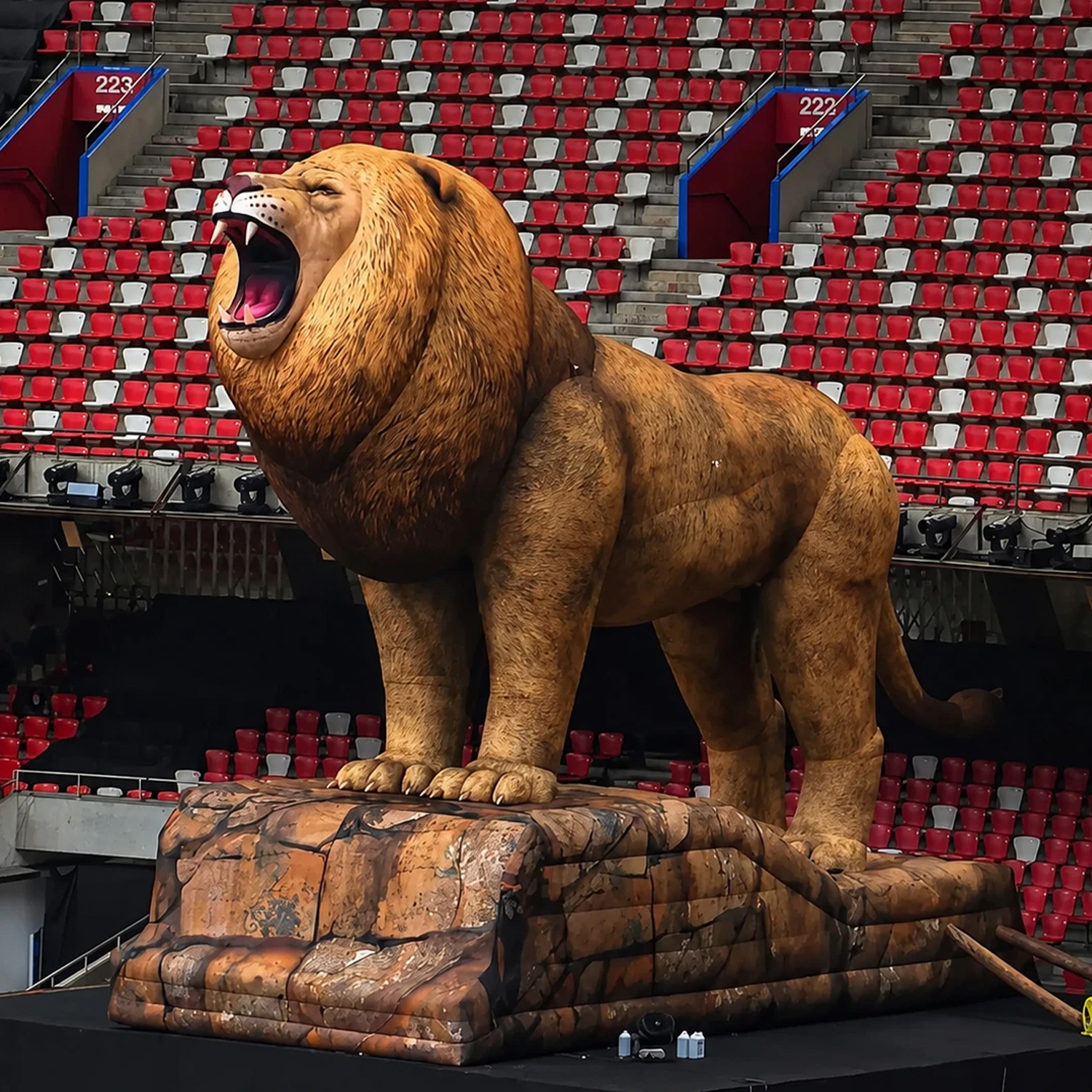
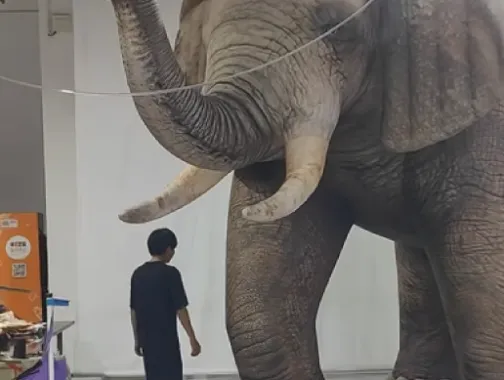
The right surface for one animal is wrong for another. Scales need different rendering than fur. Mammalian skin needs different finish than reptilian. A panda's signature contrast requires texture choices that generic printing cannot deliver. We combine dye-sublimation printing, long-plush textile, specialty coatings, and hand-finished detail at signature zones — eyes, teeth, claws — across the same piece. The finished animal reads as material reality, not as a decorated balloon.
Realism is a function of three variables: anatomical accuracy in the 3D modeling stage, texture rendering on the surface, and hand-finished detail at the critical zones (eyes, teeth, claws, signature markings). For museum-grade work, all three are pushed to their limits — visitors at 1-meter distance recognize the species without signage. For brand-driven or stylized work, the realism level is calibrated to the campaign intent, not maxed out unnecessarily.
Yes. We've built 1:1 scale dinosaurs, life-size marine mammals, full-scale terrestrial animals for educational use, and oversized landmark builds reaching 15m+. For extinct species, we work from current paleontological reference (museum-approved when needed). For modern species, we use anatomical photography and zoological reference. 1:1 scale work is the standard for museum and educational deployment.
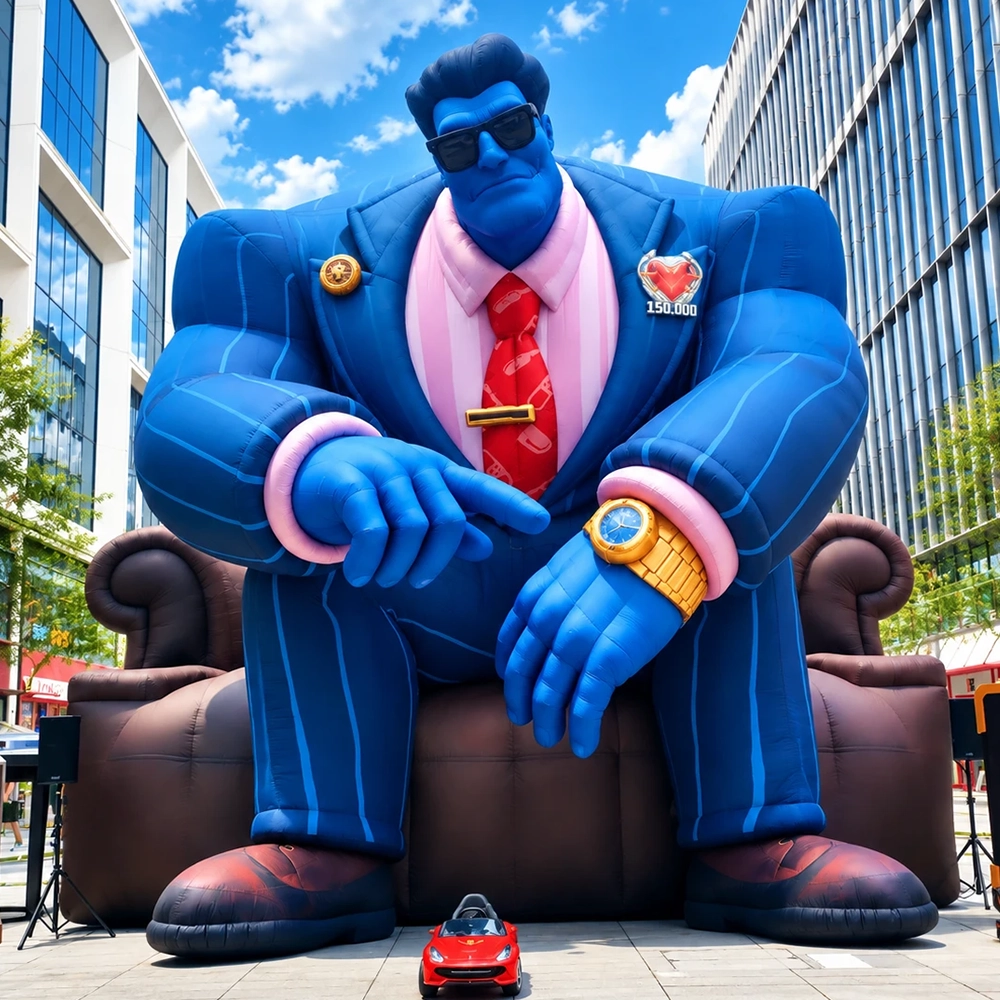
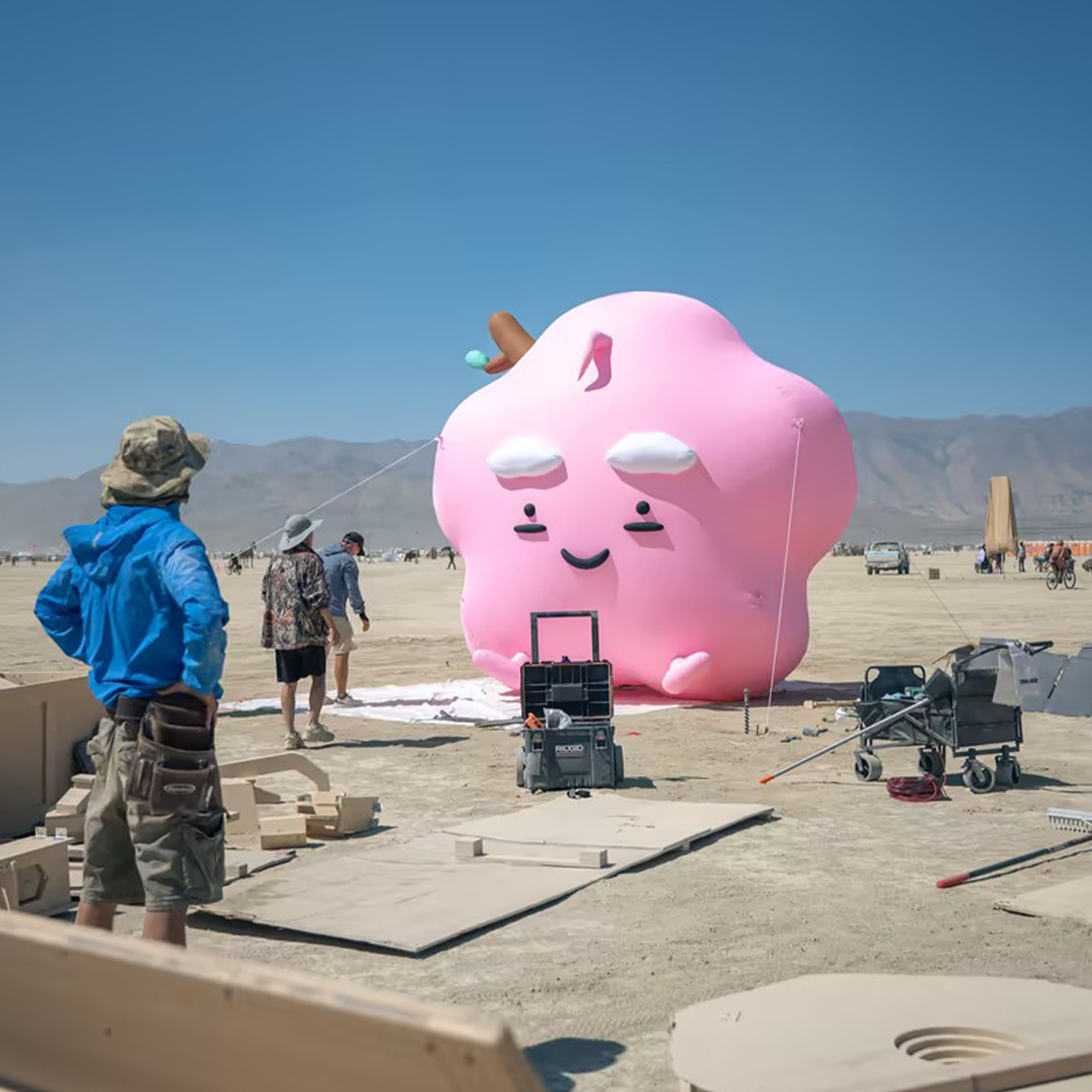
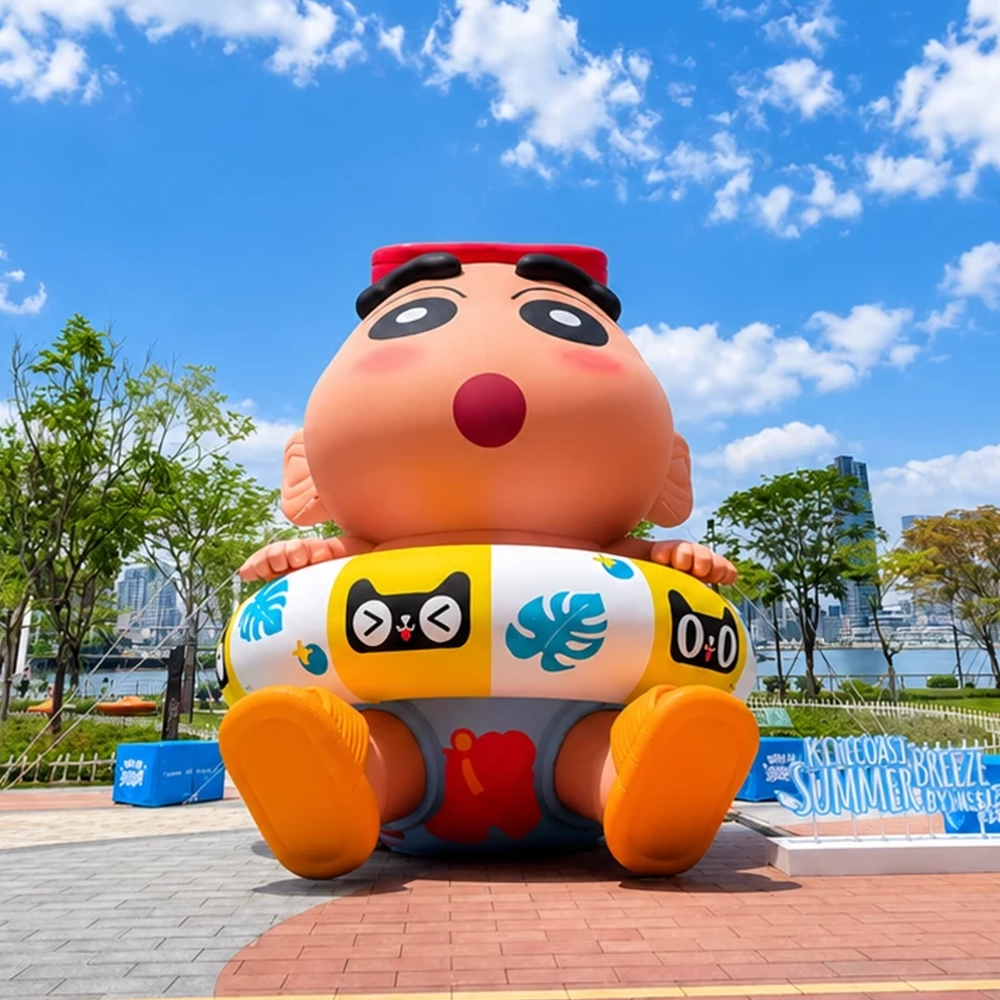
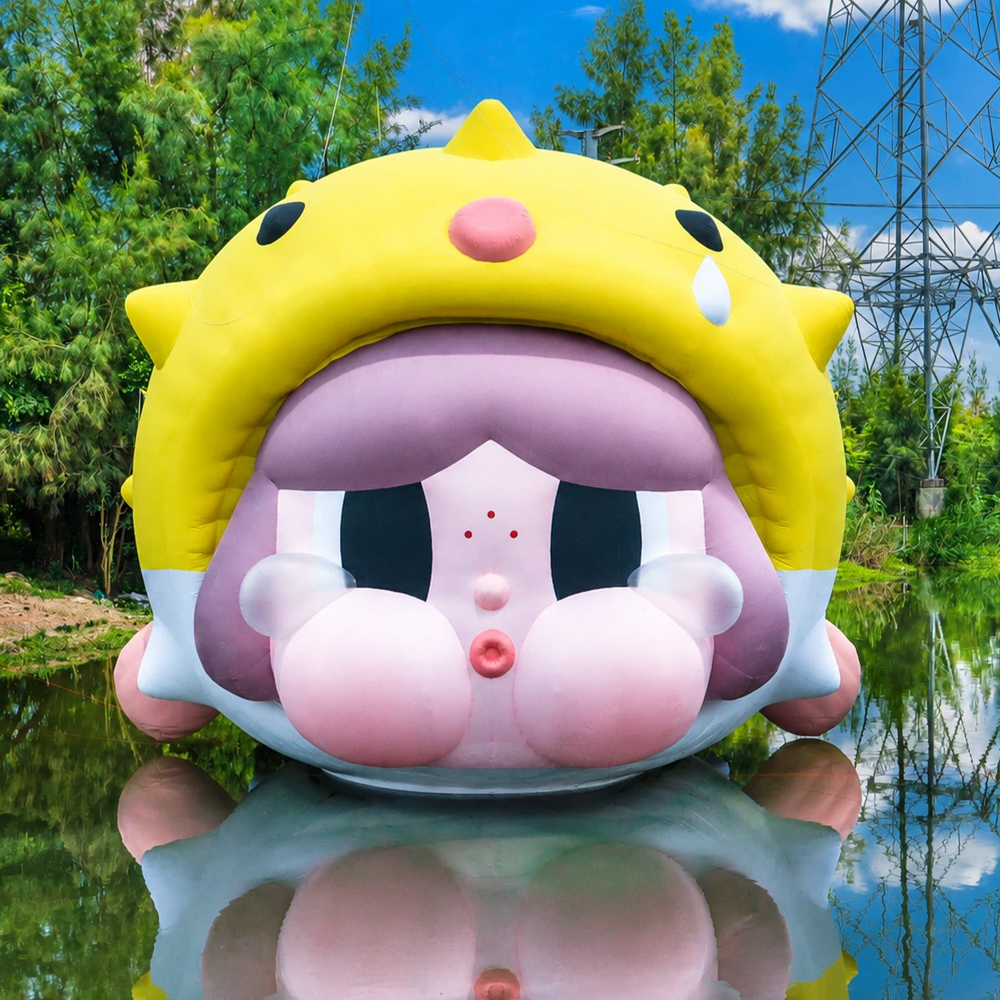
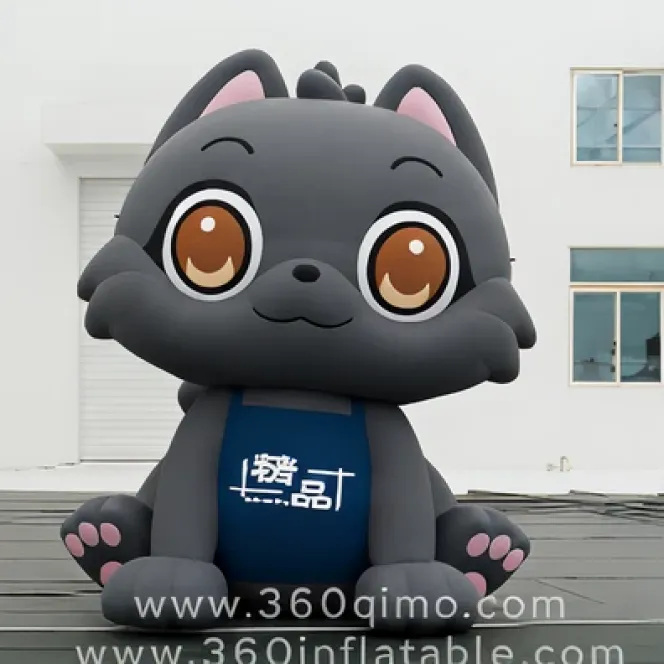
Cartoon mascot animals prioritize personality, simplified proportions, and brand identity — round, exaggerated, instantly cute or charismatic. Realistic animal inflatables prioritize anatomical accuracy, surface authenticity, and scientific recognizability — they're built to be read as the actual species. The same animal (e.g., a panda) can be built either way depending on the deployment purpose: cartoon panda for a brand activation, realistic panda for a zoo exhibit.
Yes, with material strategy. Scales are rendered through dye-sublimation printing with hand-finished depth at signature zones. Fur is handled with long-plush textile stitched onto the structural base where the animal has dense fur (mammal bodies), or printed where the fur is short and tight (e.g., a sleek seal). Skin folds and natural wrinkles are built into the 3D modeling, then reinforced through pattern-cutting that places seams along natural anatomical lines.
Standard sizes range from 0.5m (small species, educational toys) to 30m+ (landmark campaigns, large-scale dinosaurs). The largest realistic dinosaurs we've delivered exceed 15m in length. 1:1 scale work is the standard for educational and museum applications; brand campaigns often use 2:1 to 5:1 oversize for impact. Each scale tier requires different structural engineering.
Museums and educational institutions use inflatable animals for traveling exhibitions where rigid sculptures are impractical, for temporary special exhibits, for outreach programs reaching schools and community venues, and for film and documentary production support. The combination of anatomical accuracy and transportability is unique to inflatable construction.
Yes. Dynamic posture is part of the 3D modeling stage — roaring T-Rex, leaping shark, swimming whale, charging rhino, sleeping panda. The pose is engineered into the form, including the air channel distribution and internal pressure points that hold the pose against gravity. Static and dynamic poses both work; dynamic poses require additional engineering review for larger pieces.
Standard realistic animal projects ship in 20-30 days. Complex multi-texture or large-scale builds (above 8m) run 30-40 days. Hyper-realistic museum-grade work requiring multi-round preview and texture refinement may extend further. The 3D modeling and texture development stages account for 1-2 weeks of the timeline before production starts.
Yes. Outdoor deployment is standard for landmark and event use. Our fabrics are UV-treated for sustained outdoor exposure, and reinforced seam construction handles repeated deployment cycles. For permanent or extended outdoor exhibits (months+), we recommend enhanced UV coating and material upgrades to preserve color and surface fidelity over time.
Yes — this is one of the category's strongest use cases. We work with natural history museums, science centers, aquariums, and educational institutions globally. Scientific accuracy is achievable when paleontological or zoological reference is provided. For exhibition-grade work, the texture rendering and anatomical fidelity meet the standards expected of museum educational content.
Most inflatable products are designed inside-out — pick a shape, scale it, print on the surface. Realistic animal inflatables are designed outside-in. The finished piece has to convince the eye that it could be the actual species, which means every craft decision is reverse-engineered from that visual outcome. This section walks through how the work actually gets built, from the first reference image to the finished animal.
The piece is only as accurate as the reference behind it. For extinct species like dinosaurs, we work from peer-reviewed paleontological reconstructions — typically the same illustrations museums use for their own exhibits. For modern species, anatomical photography from multiple angles (lateral, frontal, three-quarter, head detail) provides the working set. For stylized or branded animals, we work from the client's creative reference plus underlying anatomical structure.
The reference quality at this stage caps the final realism. Vague references produce vague animals.
The 3D model is where the animal takes form. Four key decisions get locked at this stage:
Complex animal forms break down into 50 to 200+ individual fabric panels. The craft of pattern cutting determines whether the final piece reads as a continuous animal or as a stitched-together approximation. Two key principles:
Different anatomical regions need different surface treatments. A single animal often combines three or four:
| Anatomical Zone | Surface Treatment | What It Achieves |
|---|---|---|
| Mammalian fur (dense) | Long-plush textile stitched onto base | True tactile fur texture |
| Short fur or hide | Dye-sublimation print with texture rendering | Photographic skin appearance |
| Scales (reptiles, fish) | Print + hand-finished depth at signature zones | Reads as scaled texture from any distance |
| Skin folds, wrinkles | Built into 3D model + seam routing | Anatomical depth, not just surface print |
| Eyes, teeth, claws | Hand-finished applied detail | Close-range fidelity at signature points |
The features that announce the species — a T-Rex's teeth, a tiger's eyes, an octopus's suckers, a panda's facial contrast — are where printed surfaces fail and hand finishing takes over. These zones are completed separately and integrated into the final assembly. The skill of this stage is what separates production-grade animal inflatables from museum-grade work.
Realistic inflatable animals deliver the strongest impact in five contexts: