Giant Helium Advertising Balloons
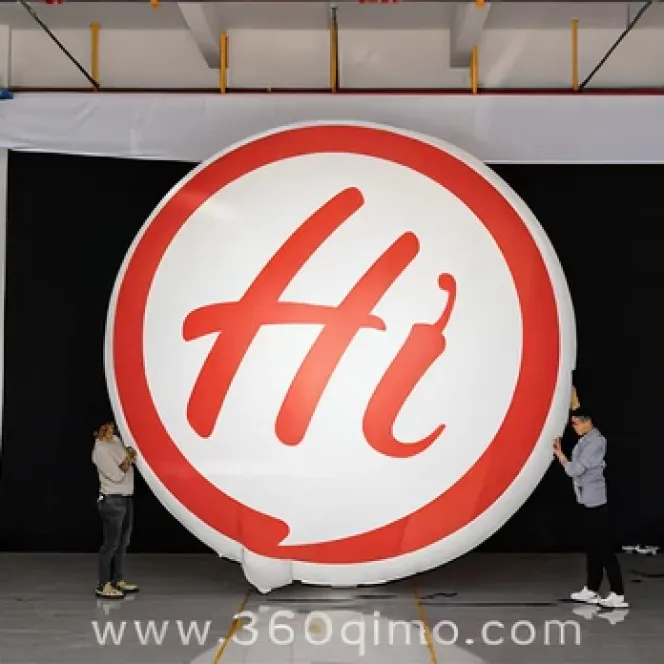

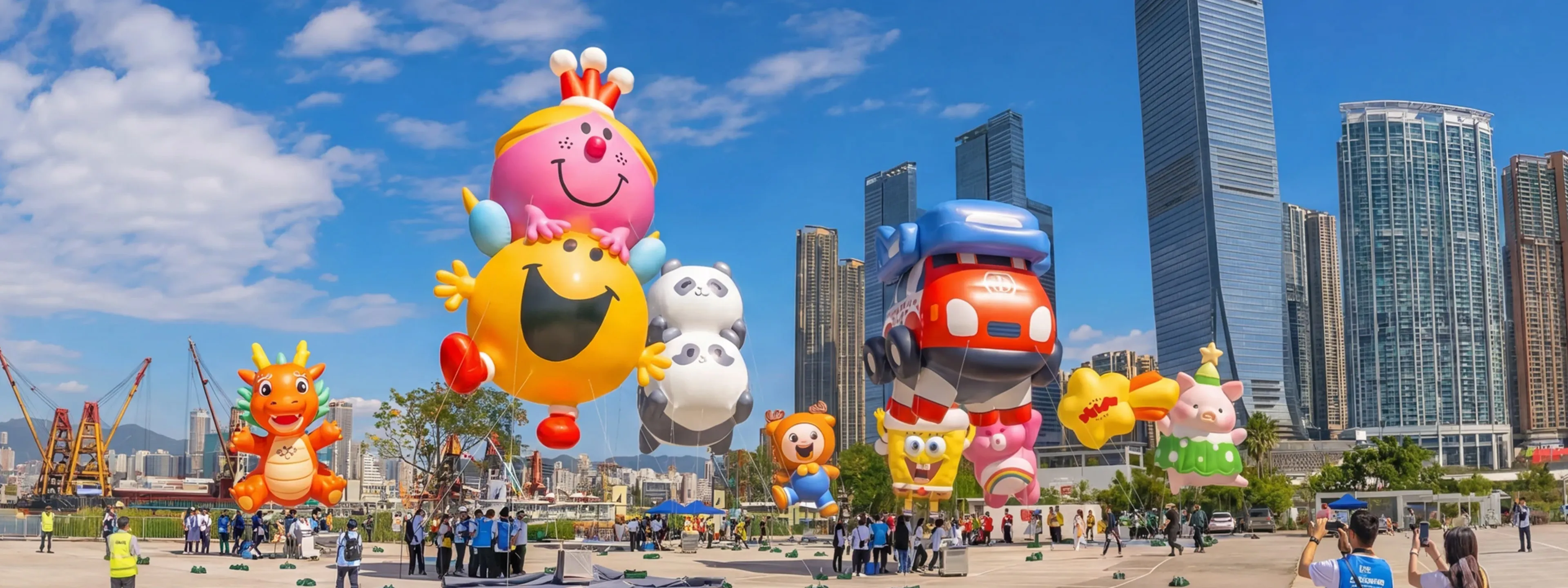
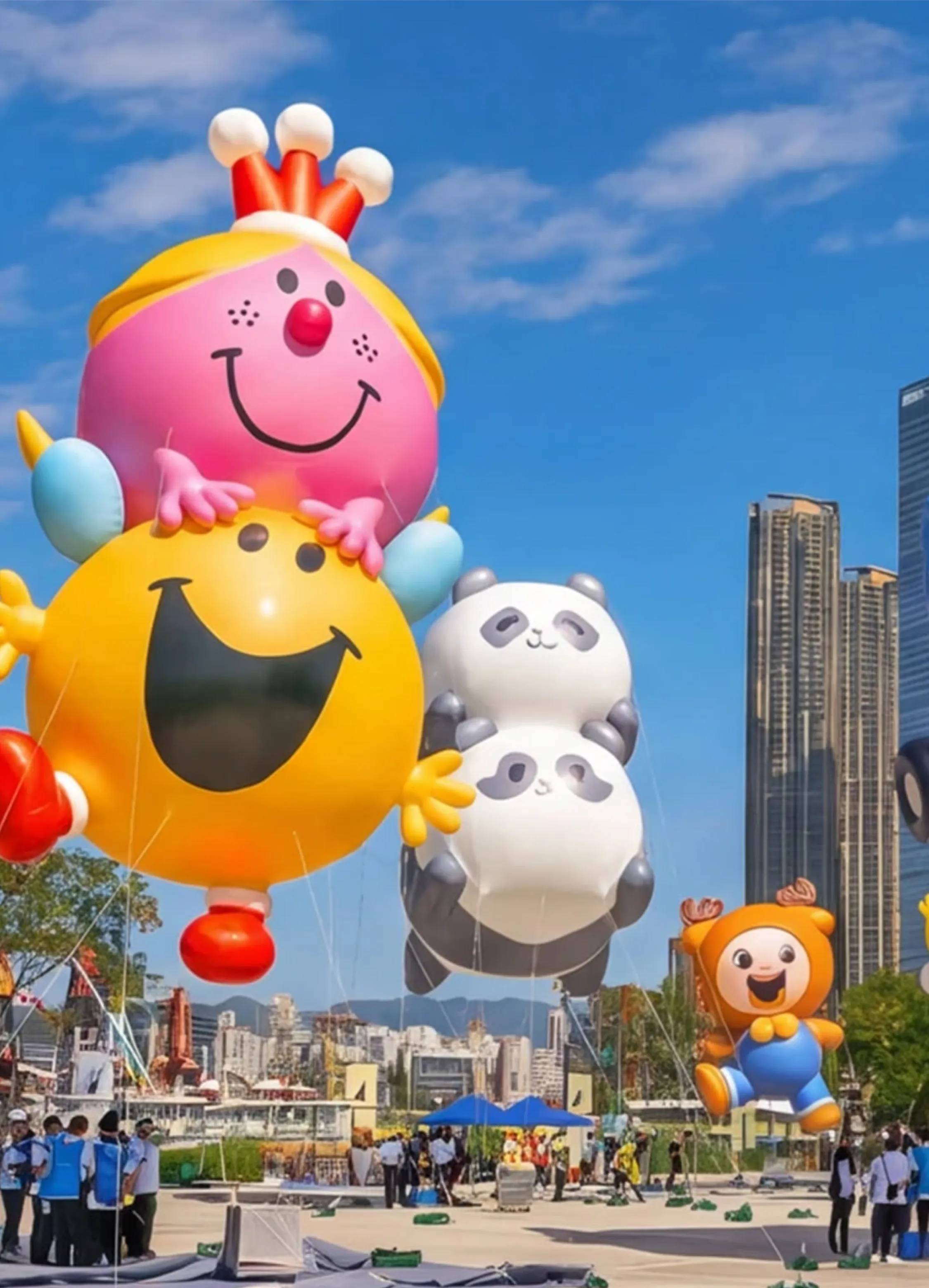
Helium inflatables occupy the one space no ground installation can — the sky above the event. A helium piece at the right altitude becomes a visual landmark readable from miles away, anchoring brand recognition across an entire venue, district, or city. It is also the most technically demanding category in the inflatable industry: helium retention, lift calculation, tethering engineering, and airspace compliance all matter equally.
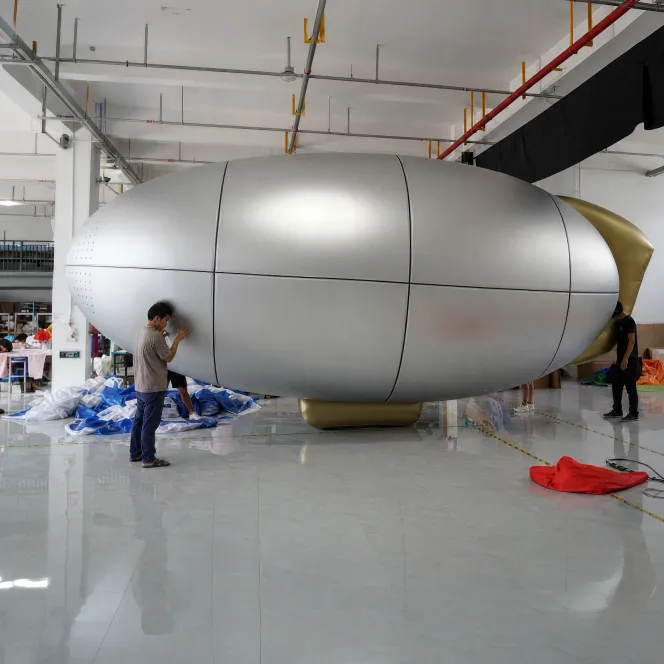
Since 2006, we have engineered helium inflatable systems for brand campaigns, city festivals, sporting events, and indoor architectural installations. From an 8-meter advertising blimp tethered above a retail opening to a 20-meter signature airship for a global brand tour, every project is engineered around three fundamentals: gas-tight construction that holds helium across the deployment window, calculated buoyancy that maintains stable altitude, and tethering systems that handle wind load without compromise.
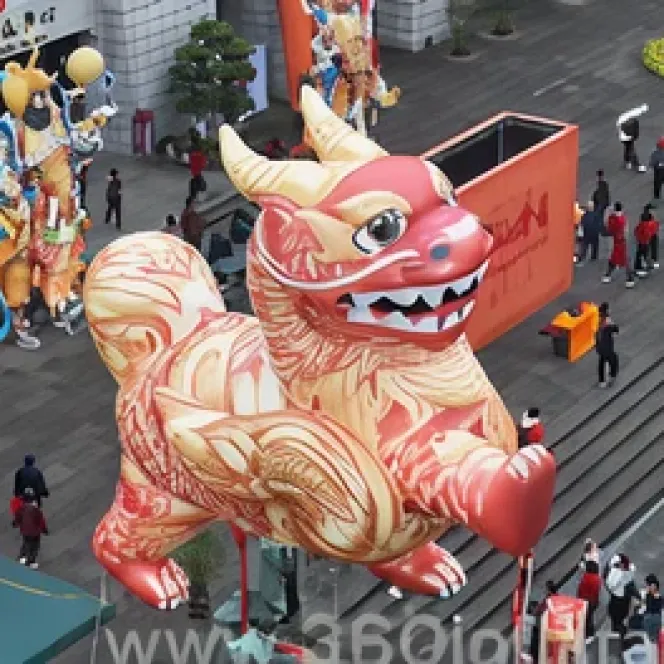
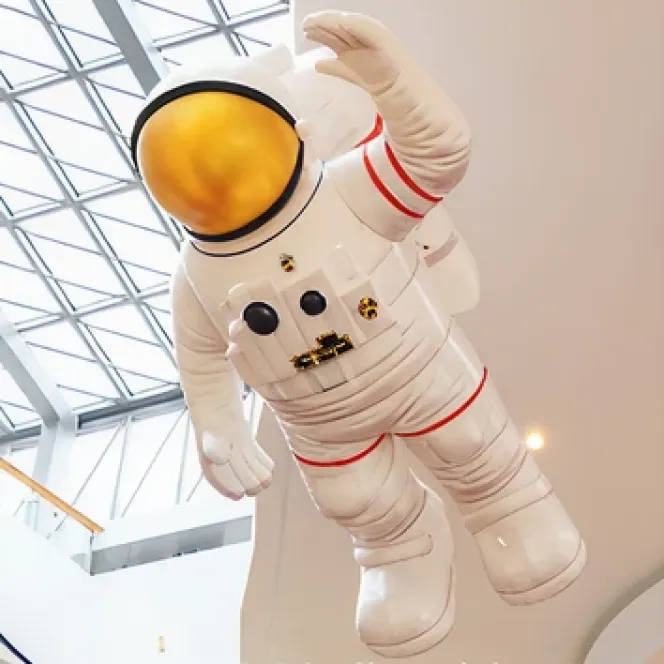
| Materials | 0.18mm PU (polyurethane) for premium gas retention; multi-layer welded PVC for cost-efficient builds; specialized coated fabric for extended deployment |
|---|---|
| Size Range | 2m – 24m+ length, fully custom; aerodynamic and sculptural forms supported |
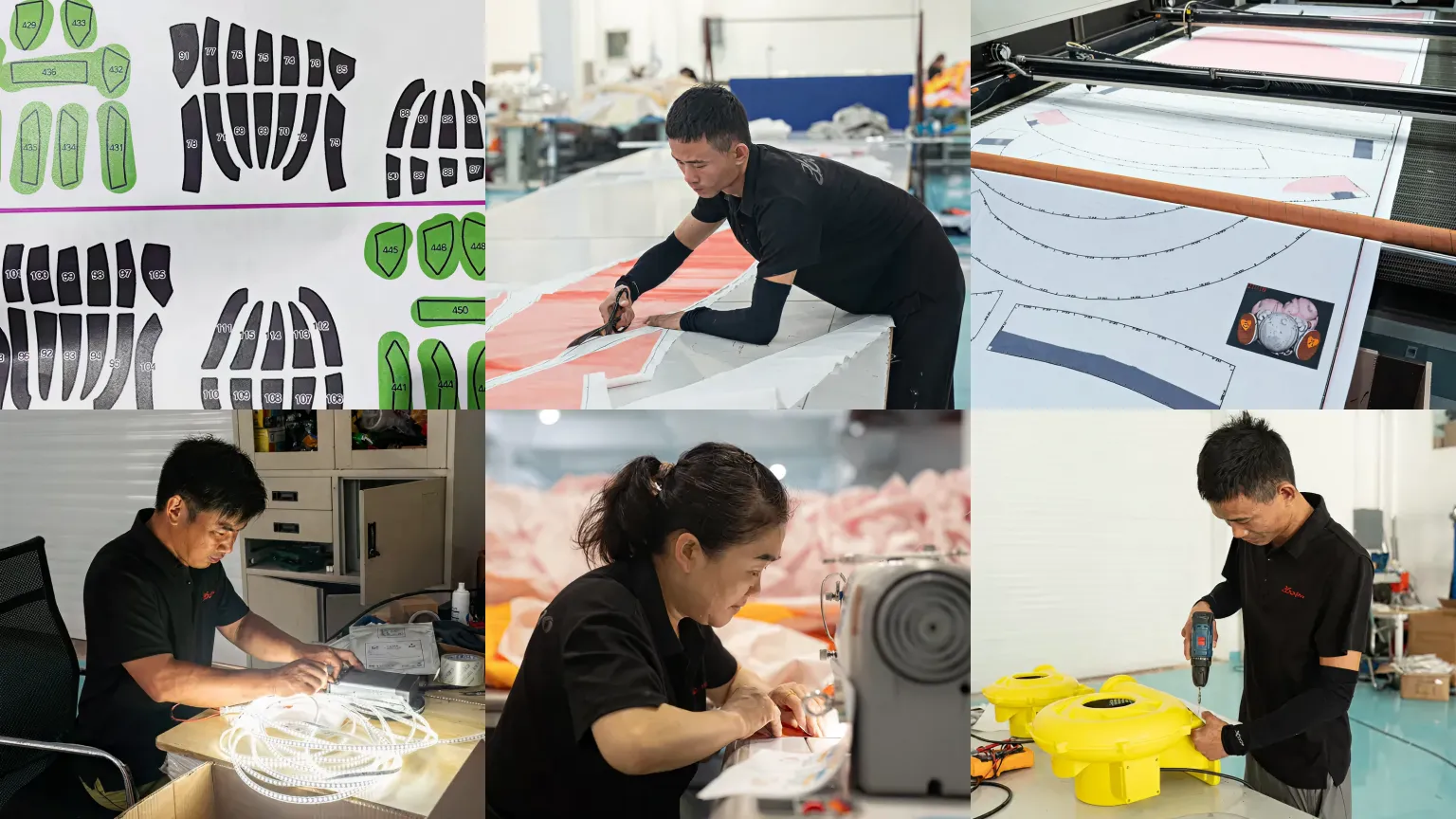
| Process | 3D modeling, lift calculation, high-frequency welded seam construction, helium-tight inspection, hand-finished detailing |
| Seam Construction | High-frequency welded seams with secondary heat-bond reinforcement; gas-tight tested before delivery |
| Helium Retention | Multi-day stable flight on a single fill; PU construction holds helium 3 to 5x longer than nylon alternatives |
| Tethering System | Custom-engineered ropes, harness, and ballast based on size and wind exposure; redundant tether configuration for landmark installations |
| Altitude & Wind | Stable tethered flight up to 150m altitude; safe operation up to 15 km/h wind; recommended deflation above moderate wind |
| Lighting Option | Internal LED for night visibility; single-color or RGB systems, weight-optimized for buoyancy |
| Lead Time | 20 – 45 days depending on size, shape complexity, and finish requirements |
| Certification | CE, UL |
| Warranty | 12 months on construction; helium retention performance guaranteed per deployment specification |
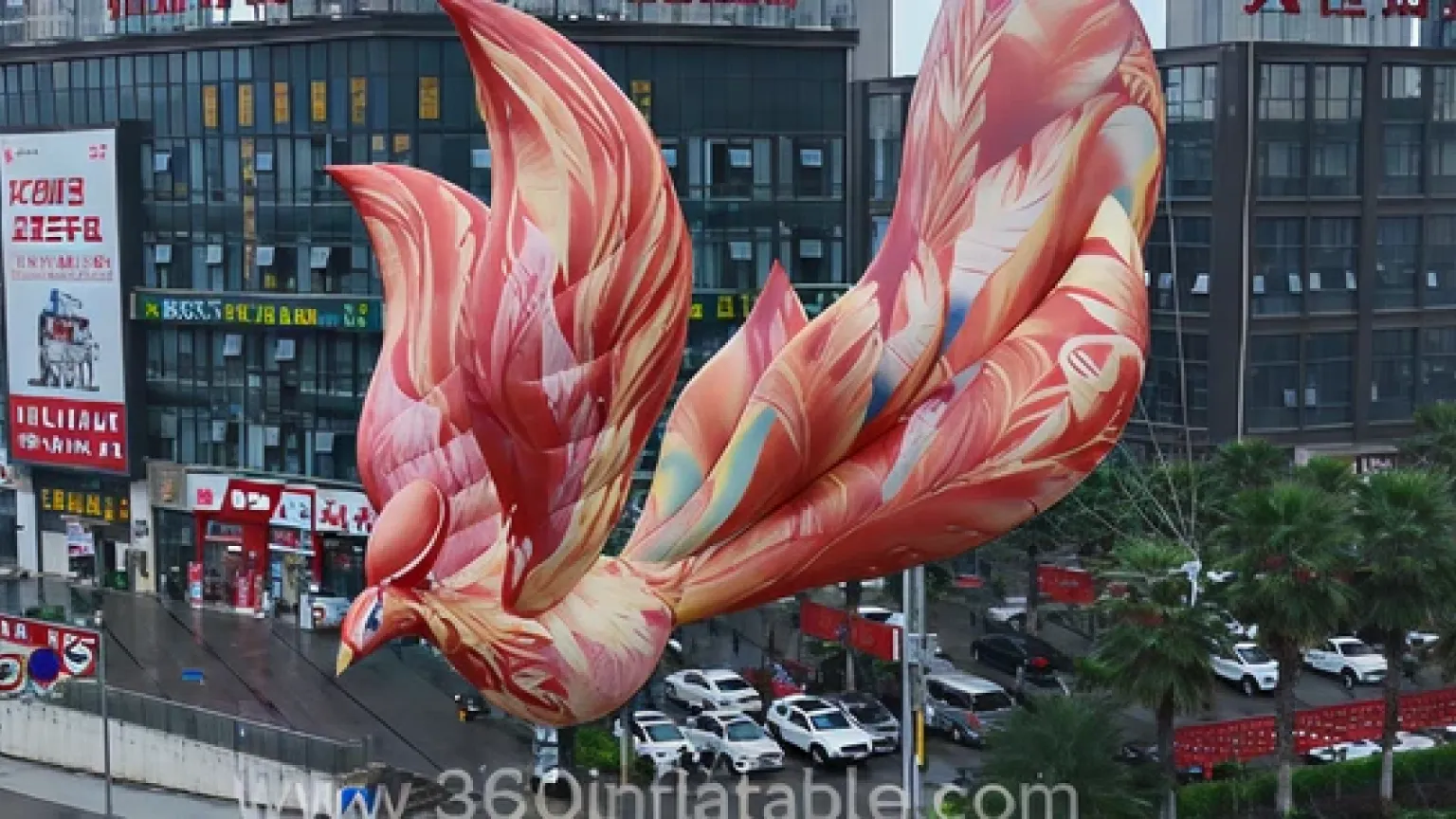
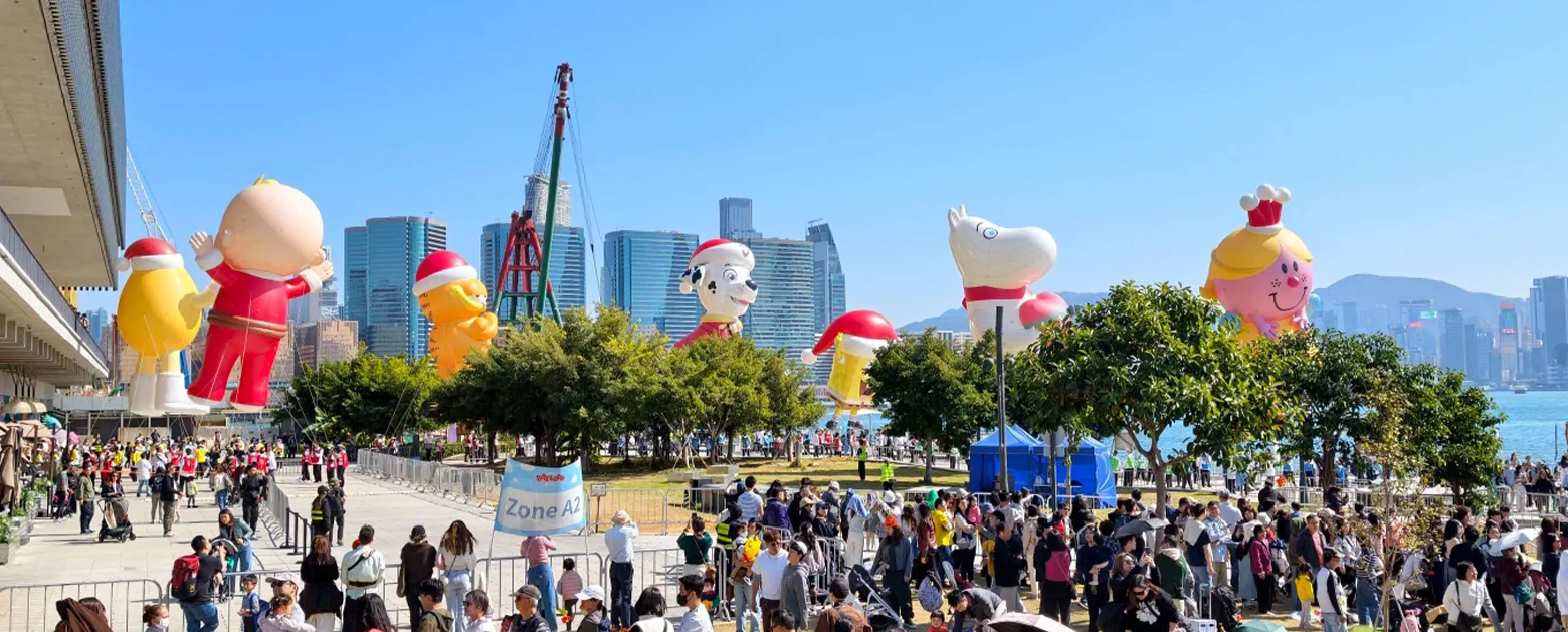
A helium inflatable does not compete for attention at street level — it operates above it. At 50 to 150 meters of altitude, the silhouette becomes a city-scale visual anchor, readable from blocks or kilometers away, drawing audience attention long before they reach the venue itself. For brand campaigns, city festivals, and major openings, that vertical real estate is unmatched by any ground-based asset.
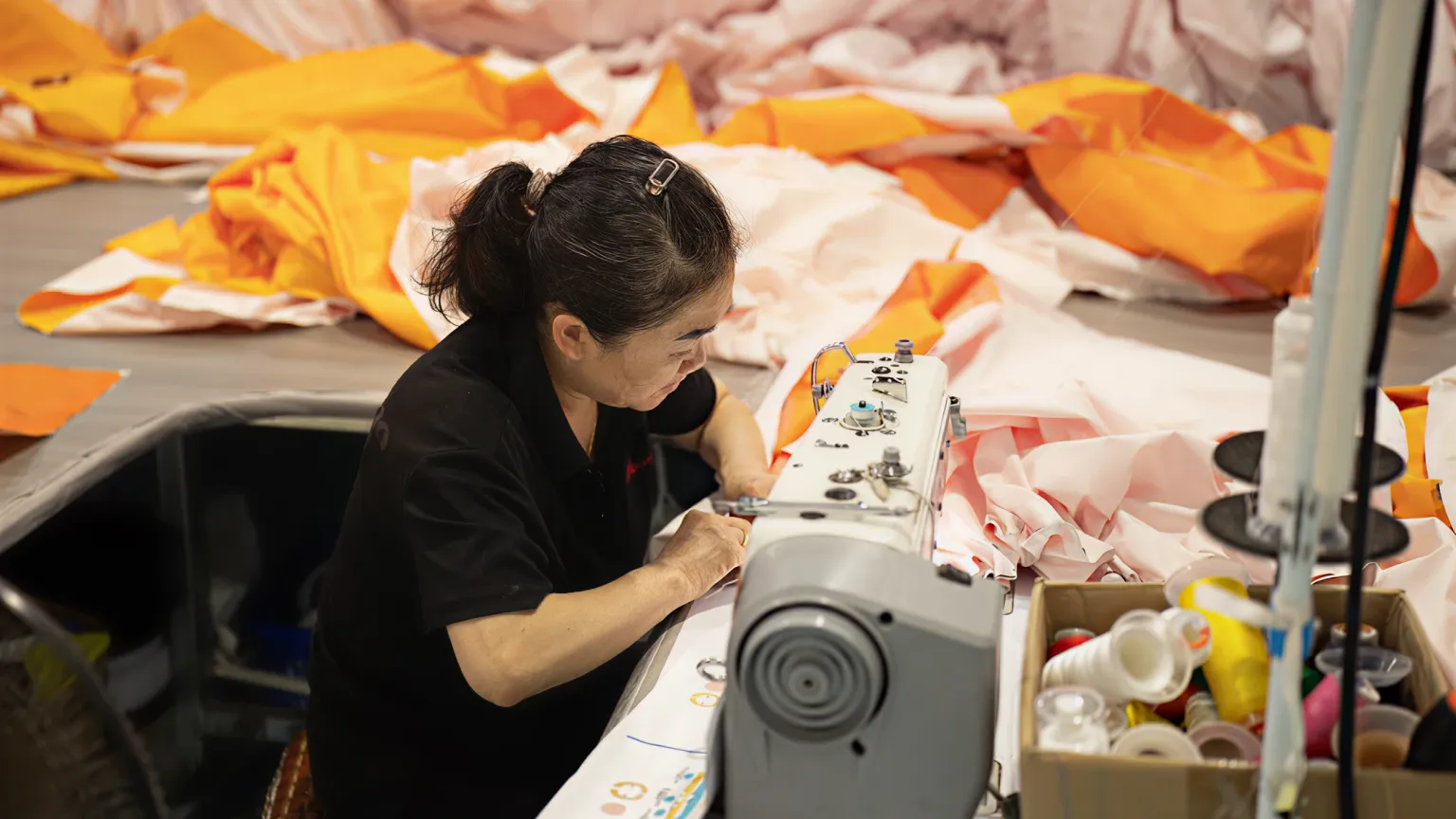
The hardest engineering problem in this category is keeping helium inside the structure. Helium molecules are extremely small — they escape through any imperfection in seam construction or material permeability. We use 0.18mm polyurethane construction with high-frequency welded seams and gas-tight inspection before every delivery. The result: multi-day stable flight on a single helium fill, versus the hours-to-days range of standard nylon constructions.
A helium inflatable in the air is also a regulatory and safety question. We provide complete deployment support: helium fill calculation, tethering engineering for site-specific wind exposure, airspace compliance guidance for city deployment, installation team coordination, and operational training for client crews. For landmark campaigns or tethered installations above 50 meters, this end-to-end coordination is what separates a finished project from a planning problem.
Standard inflatables hold their shape by using a continuous blower to maintain air pressure inside the structure. Helium inflatables hold their shape with a sealed gas-tight chamber filled with helium — a gas lighter than air. The structure becomes buoyant and rises naturally; tethers keep it at the intended altitude. No blower is needed for the duration of the deployment, which is why helium retention quality matters so much.
With our 0.18mm PU construction and high-frequency welded seams, a custom helium inflatable maintains stable flight for 5 to 10 days on a single helium fill. Standard nylon-coated alternatives typically need refilling every 1 to 3 days. For multi-week deployments, periodic top-up fills are scheduled into the campaign timeline. Quality construction directly reduces helium consumption — a meaningful cost factor for extended campaigns.
PU (polyurethane) is the premium helium-retention material — denser molecular structure holds helium 3 to 5x longer than coated nylon or PVC. PVC is more cost-efficient and works for short-deployment, lower-altitude projects. For landmark installations, multi-day campaigns, or projects where helium refill logistics are difficult, PU is the standard. For one-day events at modest altitude, PVC may be the practical choice.
Standard advertising blimps run from 4m to 12m in length. We custom-build helium inflatables from 2m up to 24m+ for major brand and airship-style projects. Tethered altitude is engineered per project — typical retail/event deployments fly at 30 to 80 meters, landmark installations at 80 to 150 meters. Higher altitudes require additional airspace coordination depending on location.
Helium volume scales with the inflatable's internal capacity. A 5m advertising blimp typically requires 15 to 20 cubic meters of helium for full inflation. A 10m blimp needs 60 to 80 cubic meters. A 20m+ landmark airship may require 300 to 500+ cubic meters. We calculate the exact volume during project quote, and coordinate helium supplier logistics for on-site fill.
Yes. Indoor helium installations — atrium pieces, exhibition hall centerpieces, museum installations — are a distinct deployment category. Indoor flights eliminate wind variables and simplify tethering. Ceiling height becomes the constraint: we typically design indoor pieces with intended deployment altitude 1 to 2 meters below the venue ceiling. Climate control affects helium volume slightly, factored into the fill calculation.
Airspace requirements vary significantly by location. In most jurisdictions, tethered helium inflatables below 60 meters operate within standard public-space regulations. Above 60 meters, or near airports and flight paths, local aviation authority notification or permits are typically required. For city center, festival, or stadium deployments, we provide airspace compliance guidance and coordinate with the client's local regulatory contact during the planning phase.
Helium inflatables become unstable in wind above 15 km/h (Beaufort Force 4). The structure swings, tether load spikes, and the visual presentation degrades. We recommend monitoring local wind forecasts and deflating temporarily during higher wind. Rain is generally tolerated — PU and PVC are waterproof — but heavy rain combined with wind triggers our recommended deflation protocol for safety.
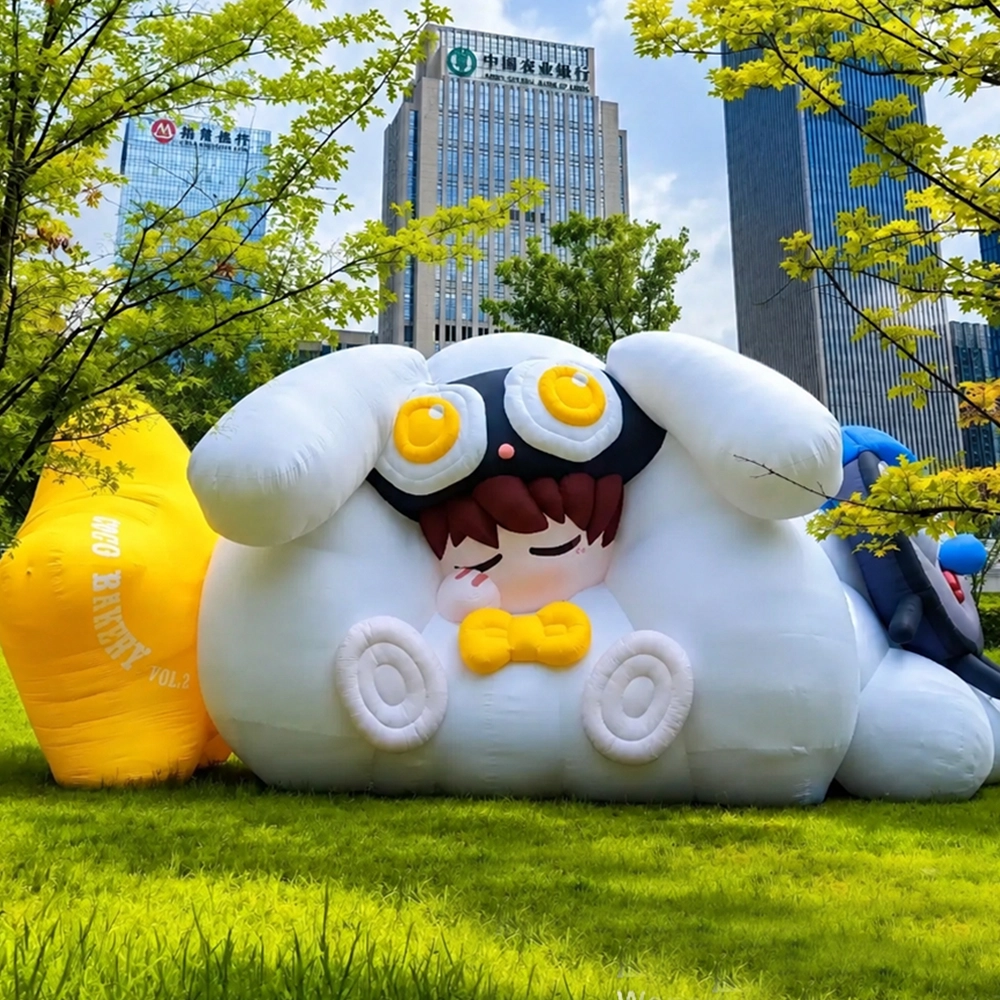
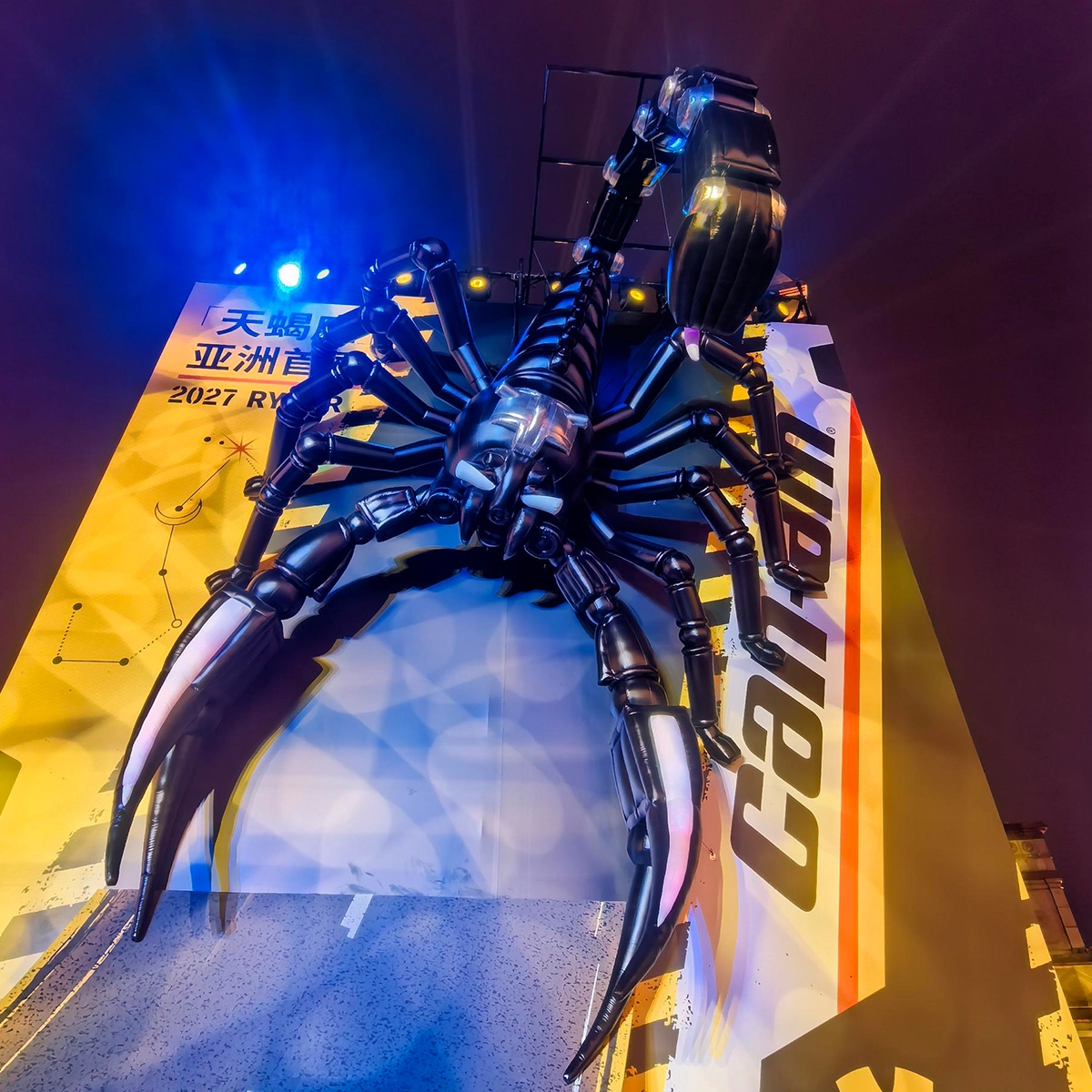
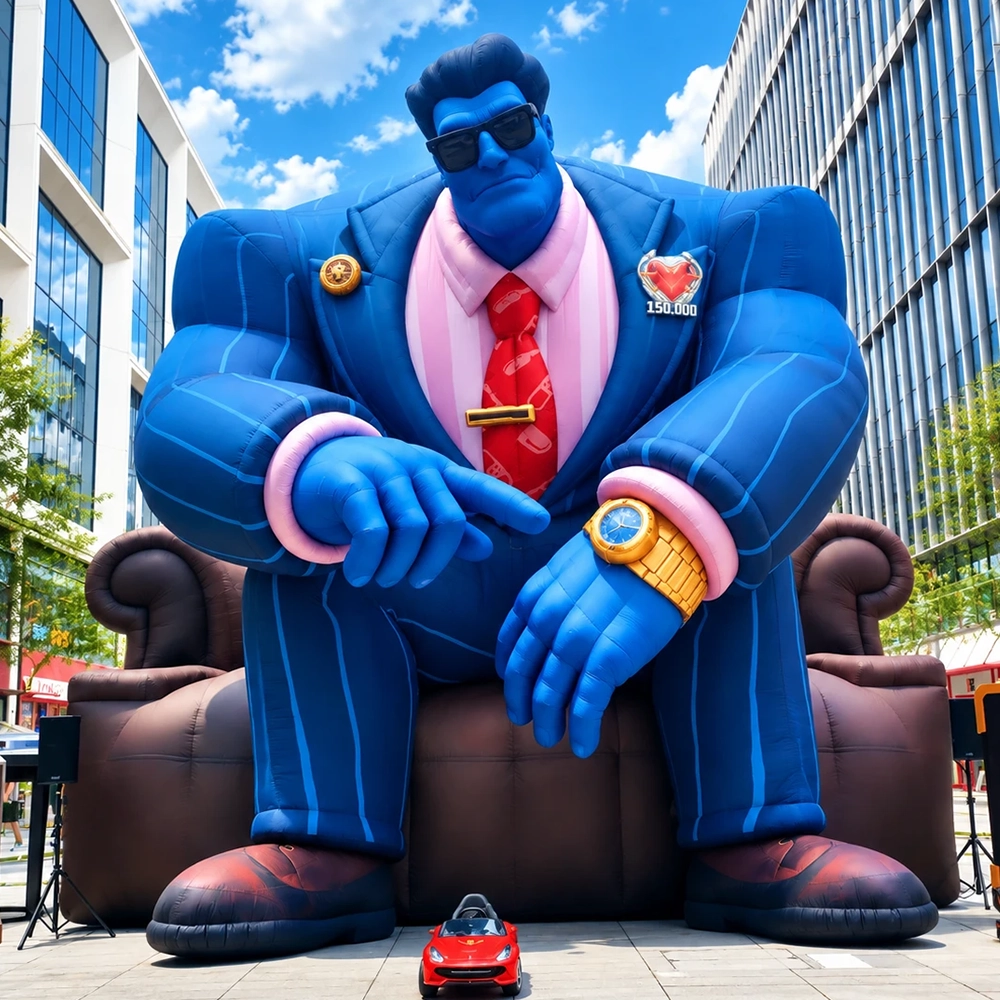
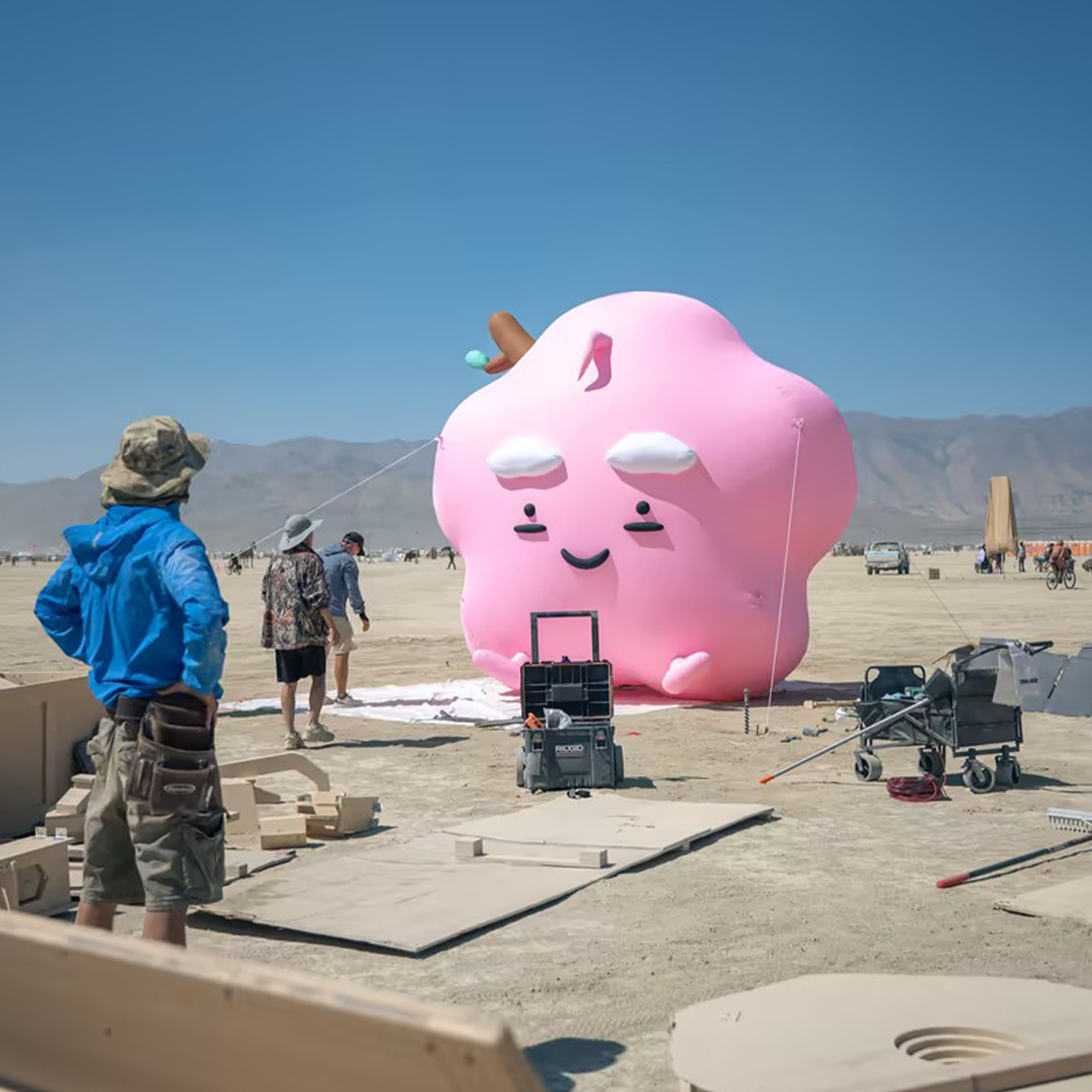
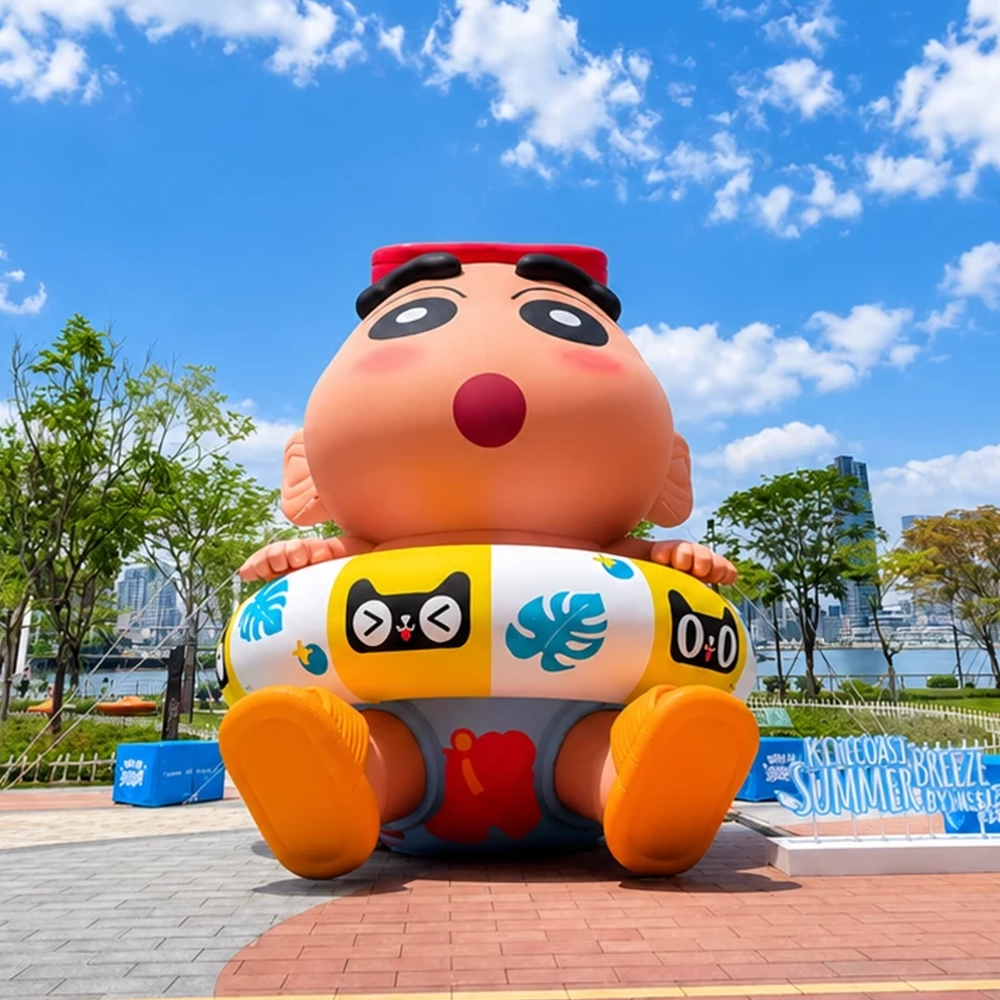
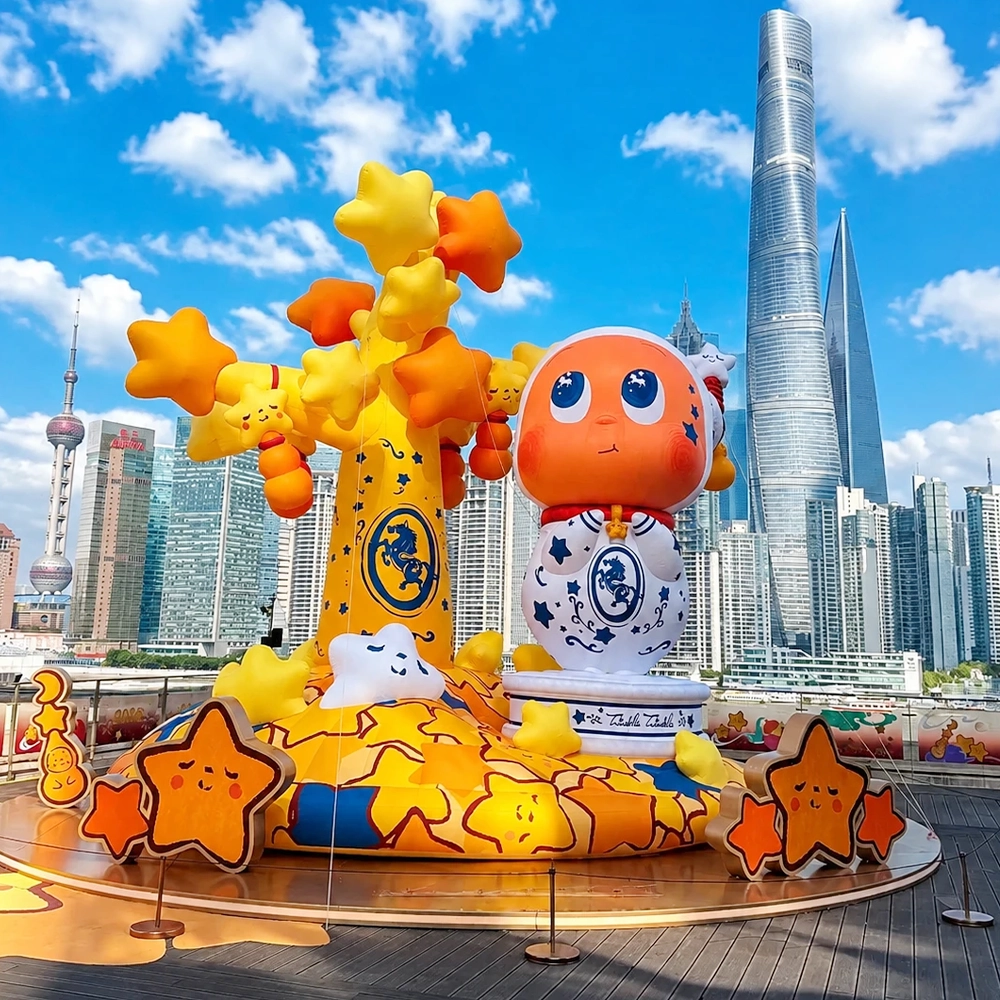
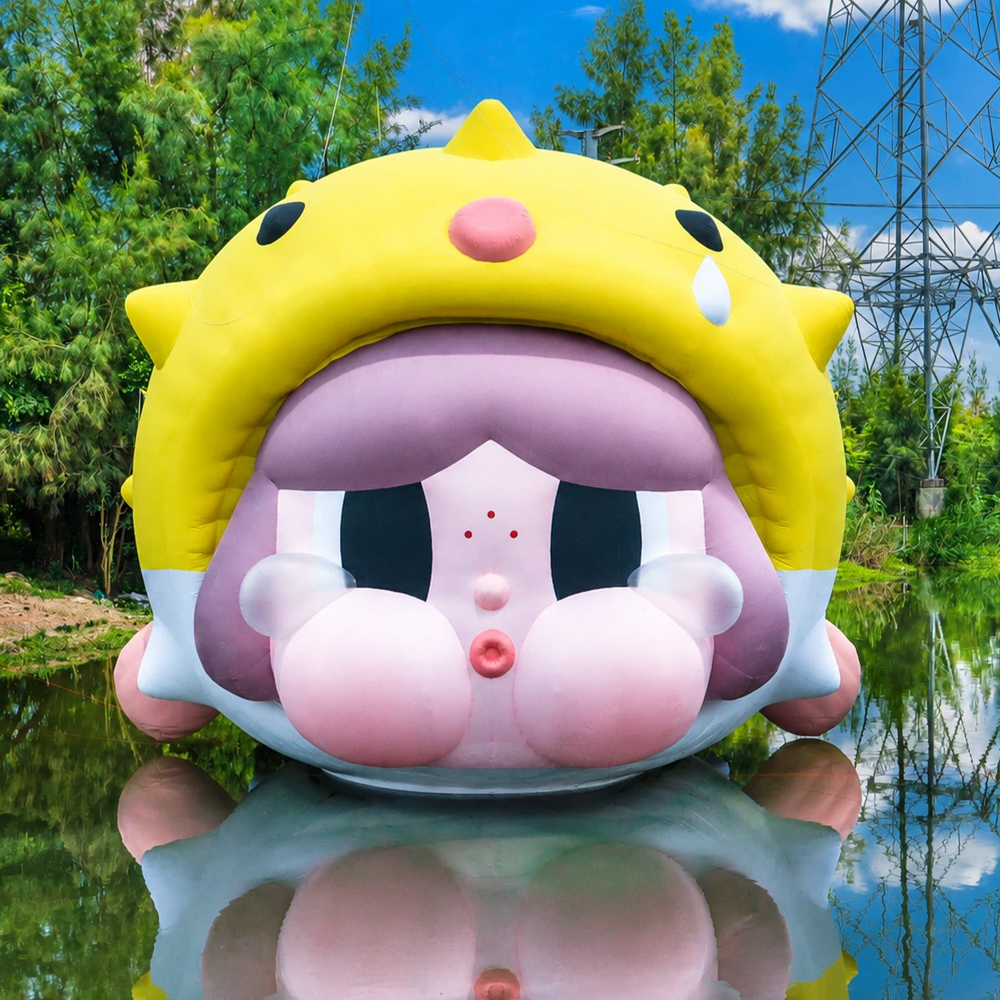
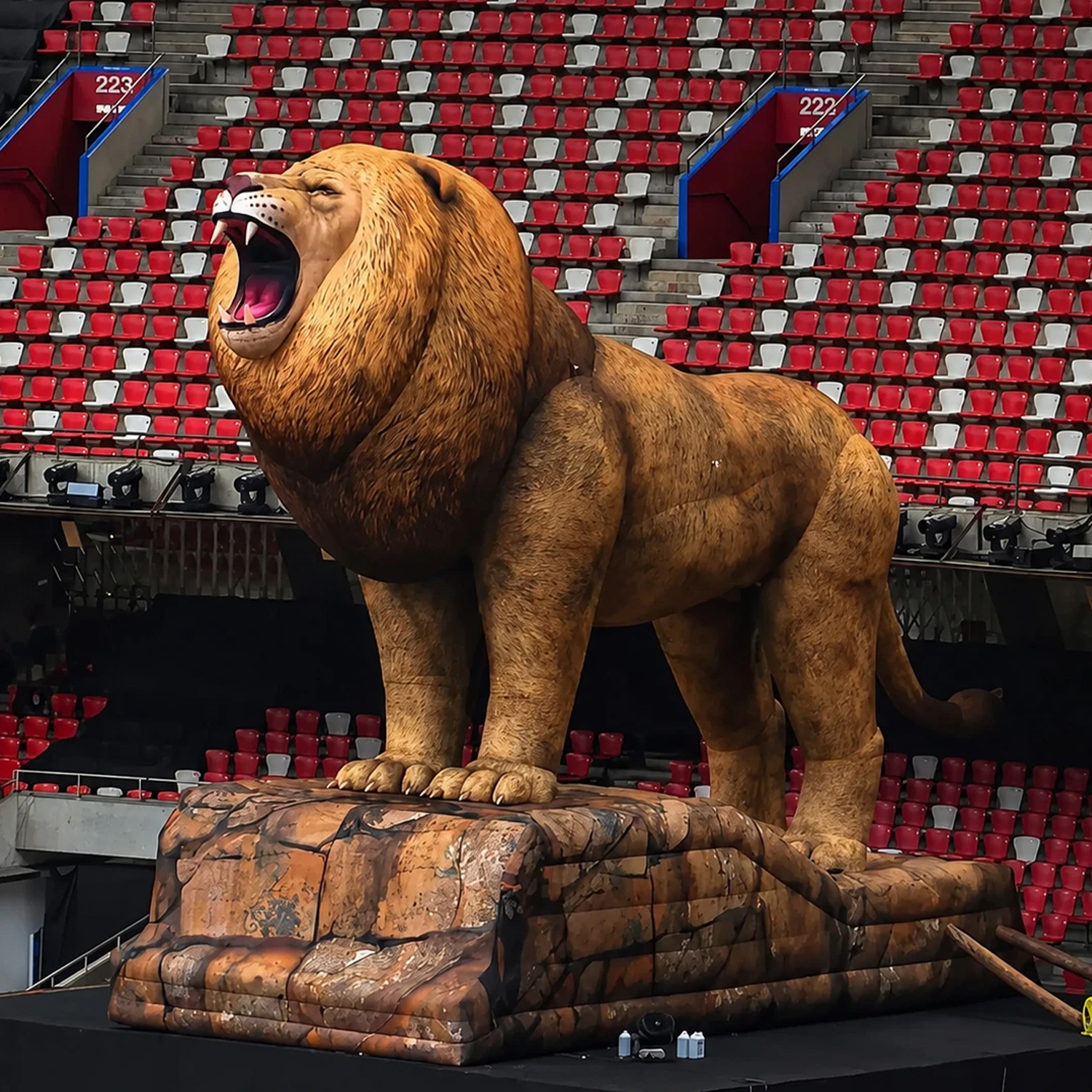
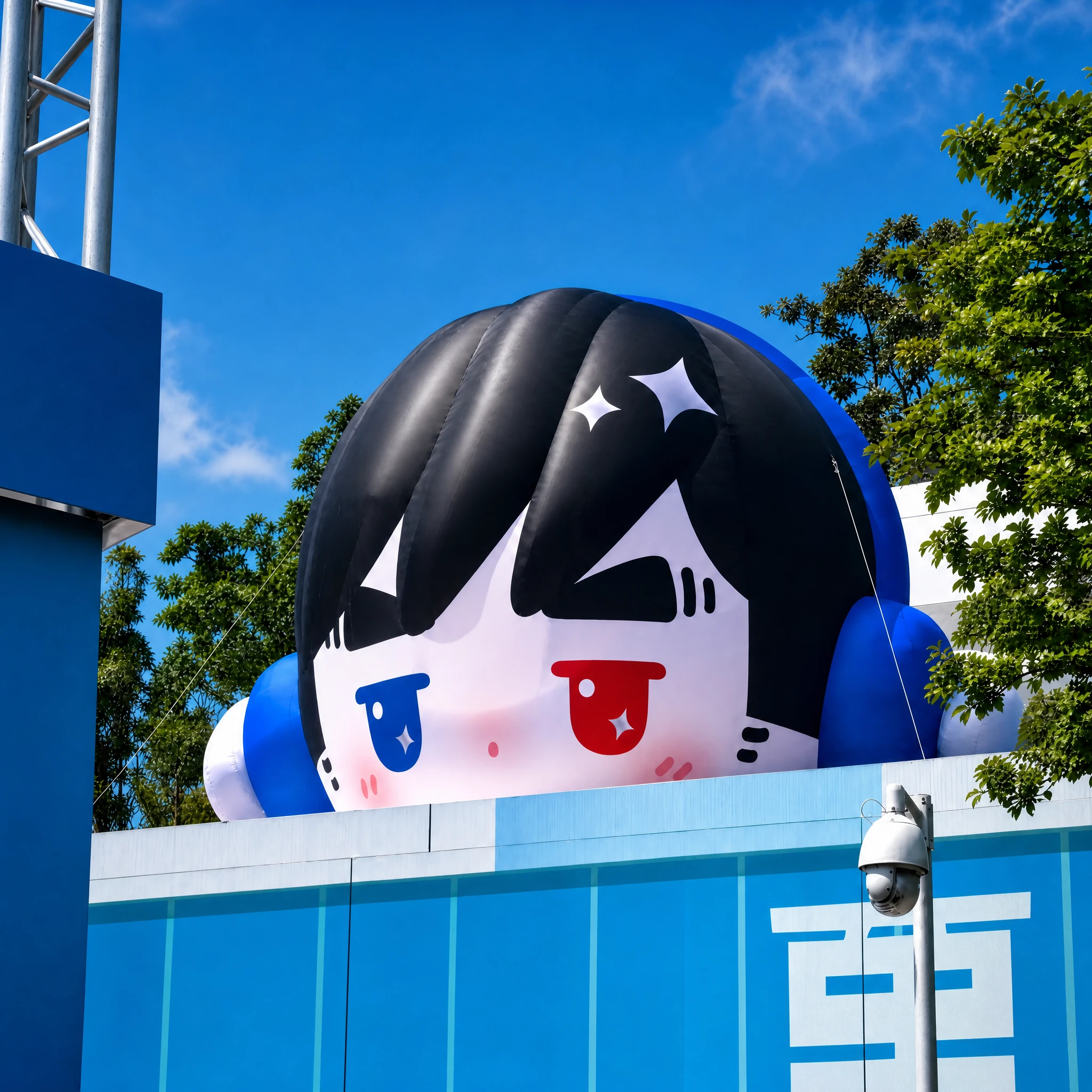
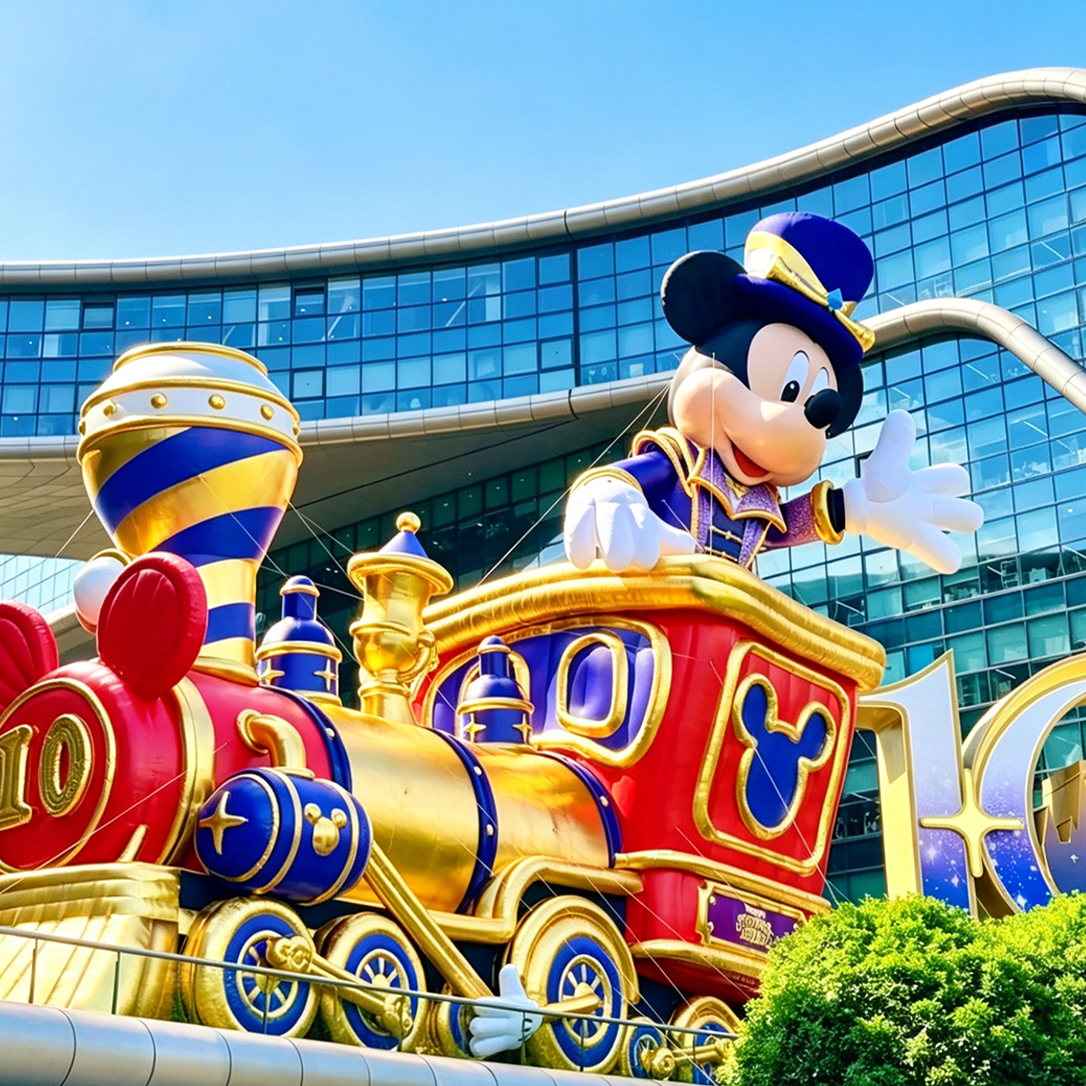
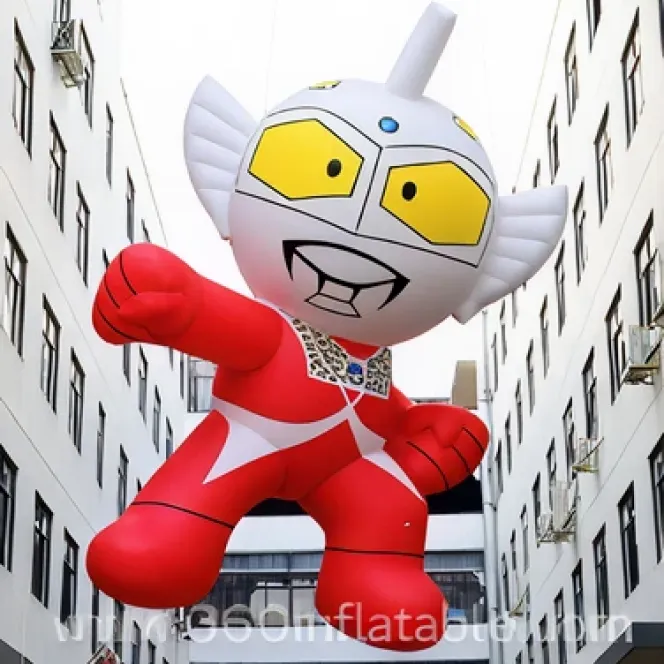
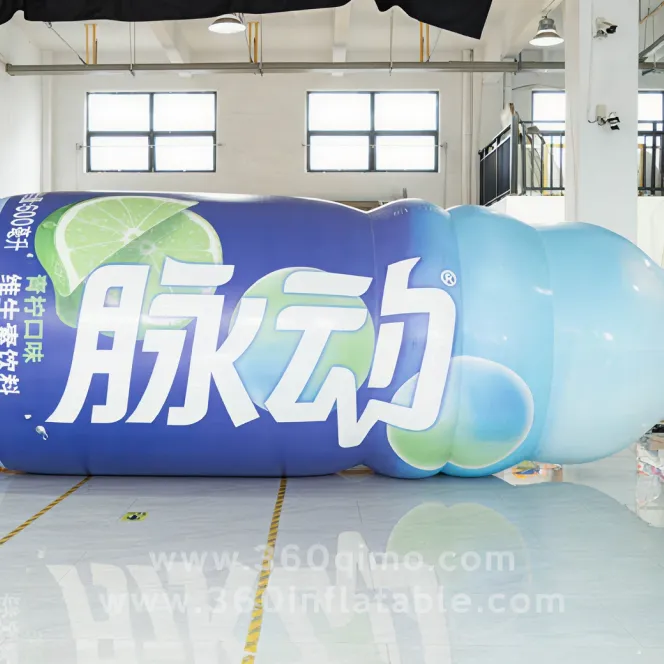
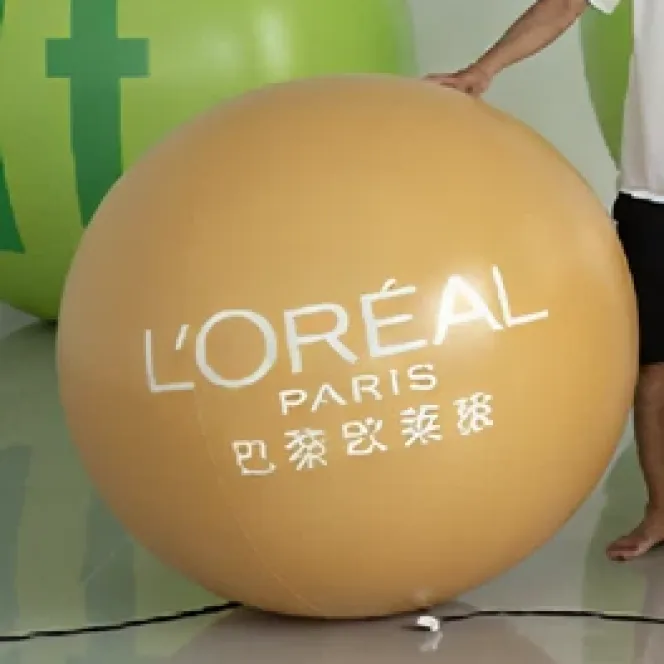
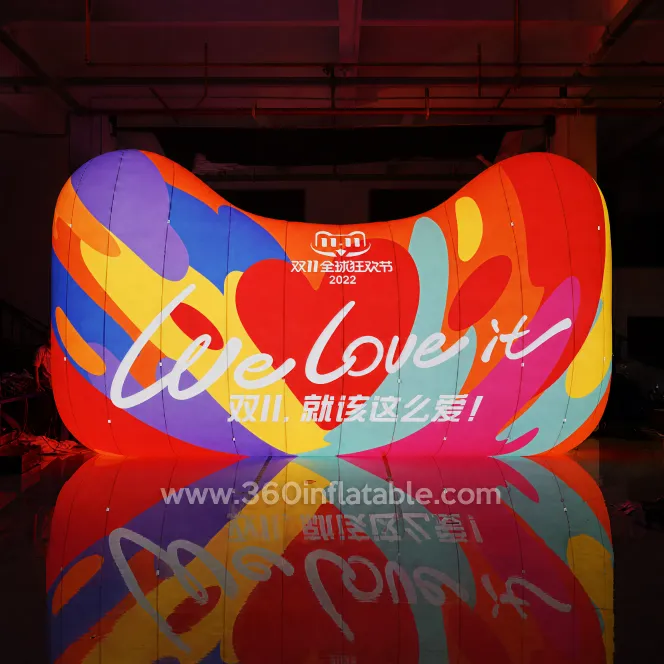
Yes. Custom shape is the core of what we deliver in this category. Brand logos rendered as airships, IP characters in helium form, product replicas, sculptural artistic forms, and themed pieces (animal characters, festive shapes, abstract forms) are all standard. The 3D modeling stage verifies the form holds the necessary internal volume for adequate lift while maintaining the intended visual silhouette.
Helium inflatables ship deflated and folded — even a 15m airship packs into a containerized transport package. On-site, the inflatable is unrolled, connected to helium supply, and filled — typical fill time is 30 minutes to 2 hours depending on size. We coordinate helium gas supplier introduction for the deployment region, since local helium logistics affect campaign timing significantly.
Helium inflatables are the most technically specialized category in the inflatable industry. The engineering involves gas physics, the deployment involves airspace regulation, and the operation involves trained crew coordination. This section covers what 20 years of helium projects have taught us about the questions clients should think through before commissioning a custom helium inflatable.
The single calculation that determines whether a helium inflatable works is buoyancy. The structure must be light enough that helium displacement generates net positive lift after accounting for the inflatable's weight, tether weight, attached lighting, and any payload. The rough formula:
Adding internal LED systems, banners, or other payloads reduces net lift. Engineering for the specific deployment scenario — including expected weather conditions — is part of project intake.
Helium retention is the variable that defines deployment economics. Different materials produce dramatically different retention performance:
| Material | Helium Retention | Cost Tier | Best For |
|---|---|---|---|
| 0.18mm PU (polyurethane) | 5 to 10 days stable flight per fill | Premium | Landmark campaigns, multi-week deployments, brand-grade work |
| 0.18mm PVC welded | 2 to 5 days stable flight per fill | Standard | Mid-duration campaigns, advertising blimps |
| Coated nylon | 12 hours to 2 days per fill | Cost-efficient | Single-day events, short-deployment work |
For extended campaigns, the cost difference between premium and standard materials is recouped through reduced helium consumption — at typical helium pricing, this often pays back within the first month of deployment.
Unlike ground-based inflatables, helium inflatables intersect with civil aviation regulations. The specifics vary by country but the general framework is consistent:
For projects in China specifically, the Civil Aviation Administration of China (CAAC) governs aerial installations above certain thresholds, and major cities have additional local rules. We provide airspace compliance guidance, but the actual permit process is handled by the client or their local representative.
Indoor helium installations — atrium pieces, exhibition hall centerpieces, museum architectural installations — operate under different constraints than outdoor:
For accurate pricing and engineering proposal:
With these in place, we deliver a project-level engineering preview, lift calculation, and budgetary estimate. For complex landmark or RC projects, the engineering review and concept refinement stage runs 1 to 3 weeks before fabric is cut.