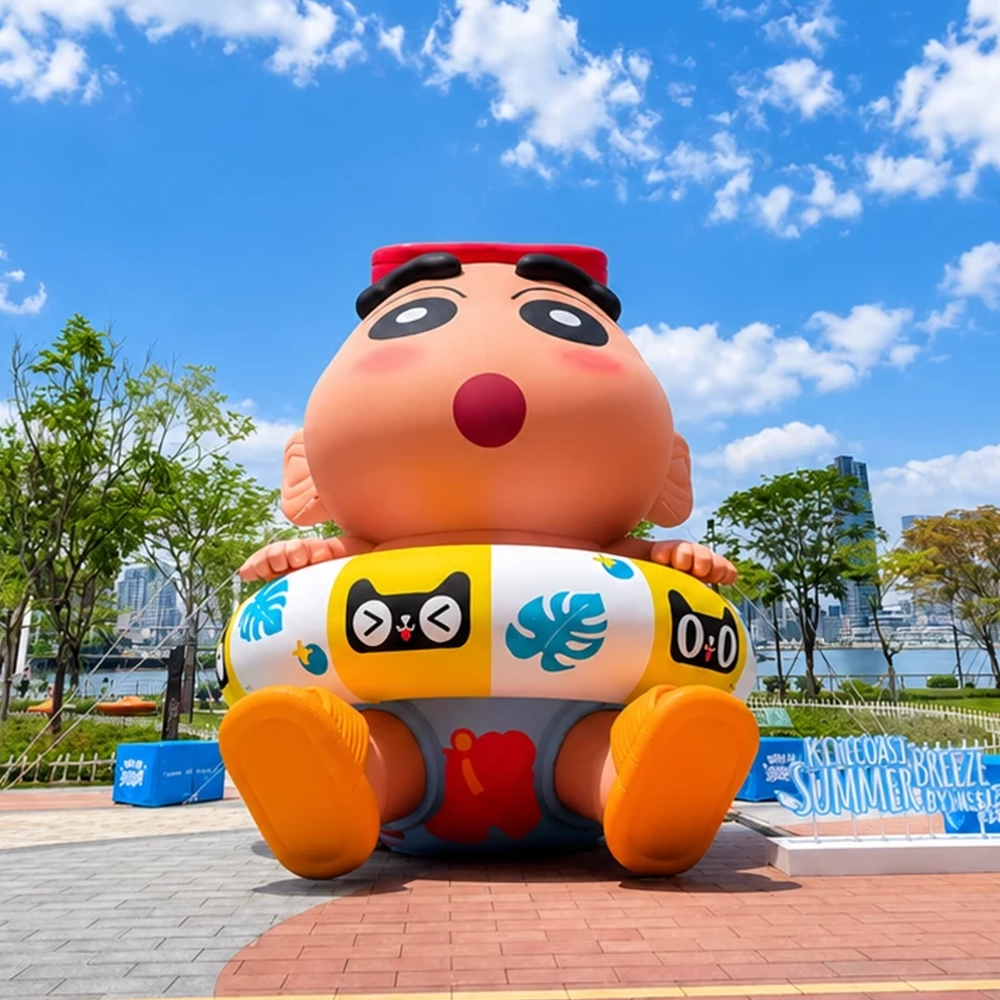
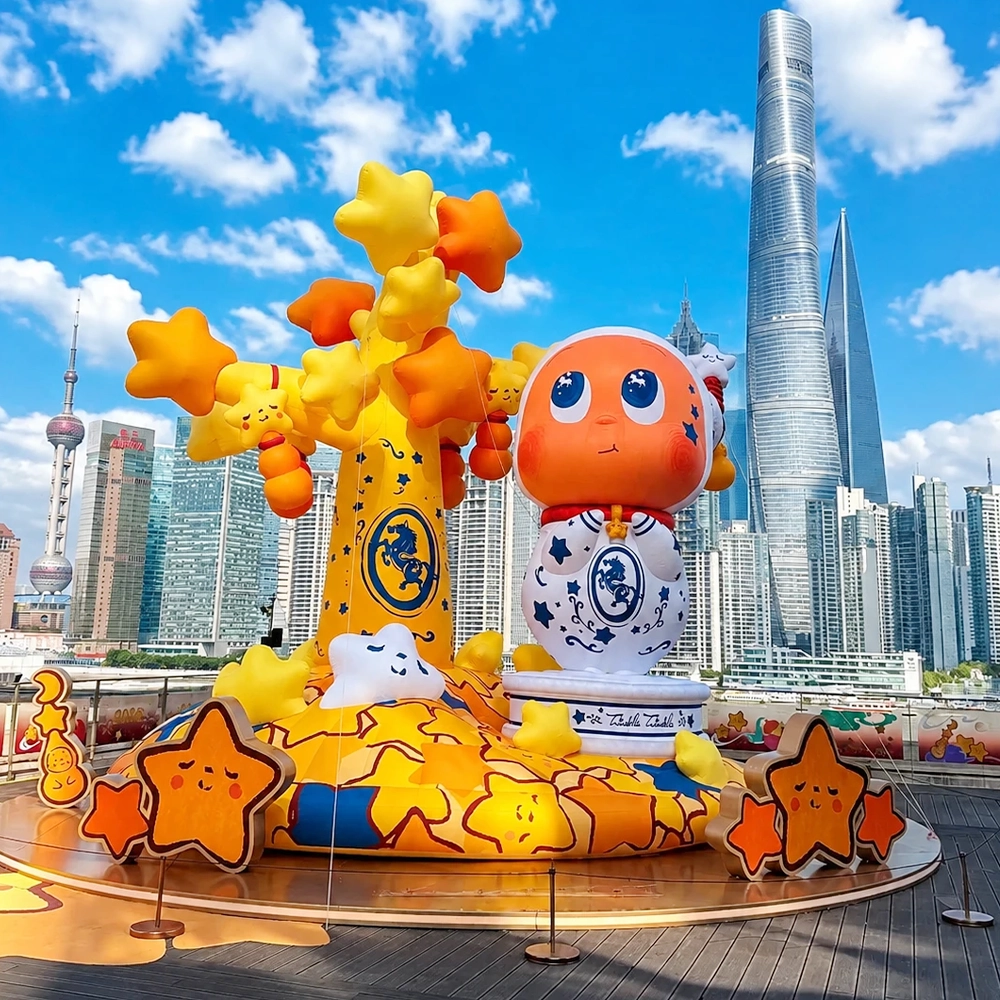
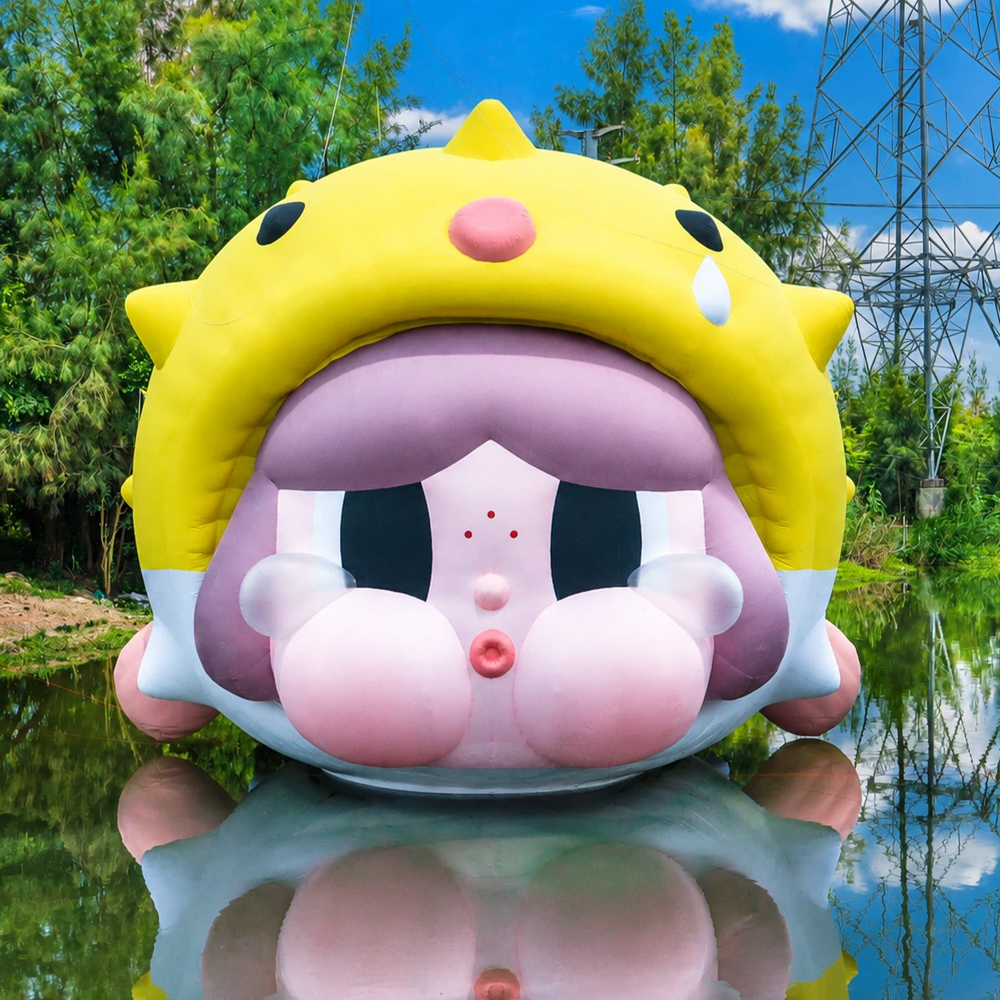
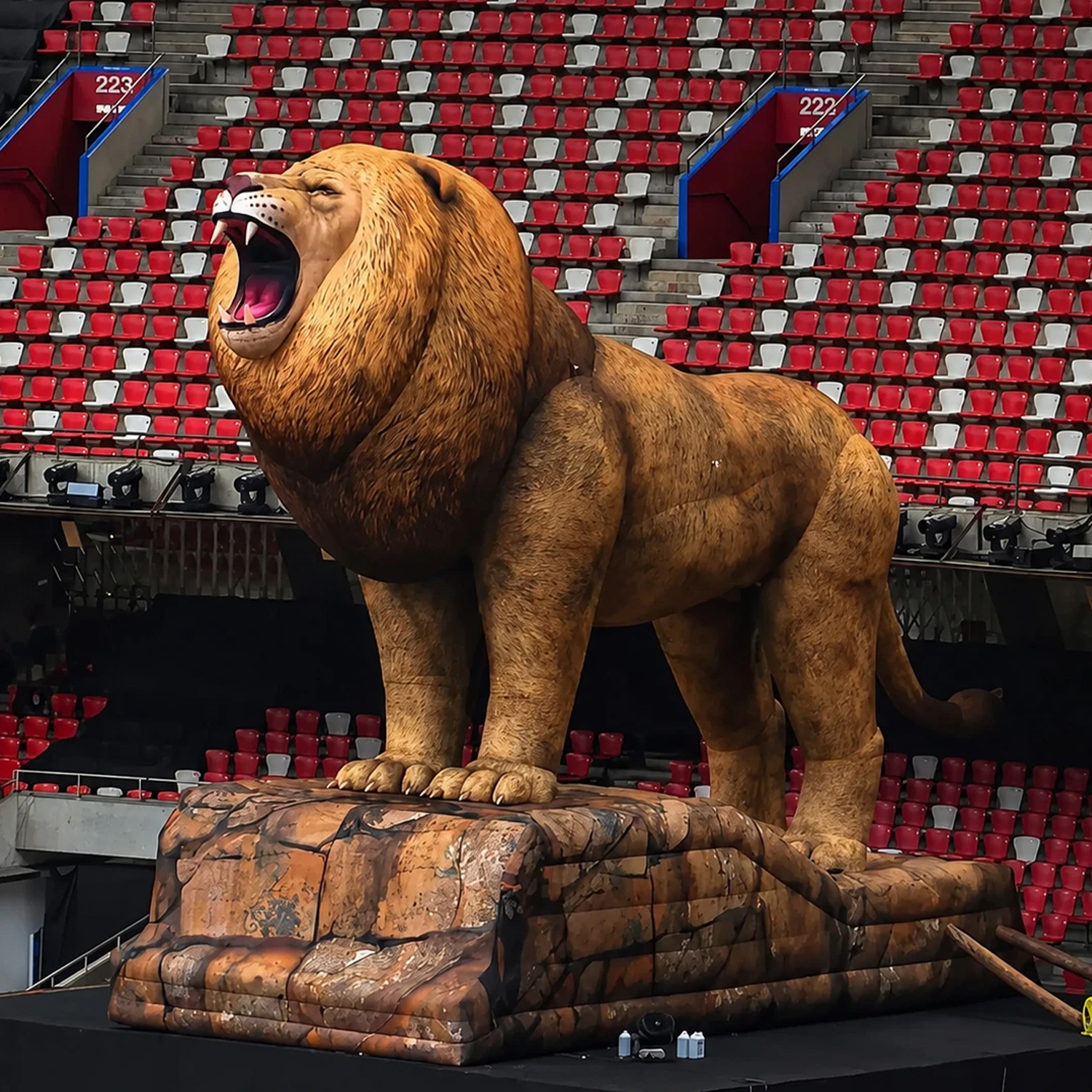
LED Character & Mascot Inflatable
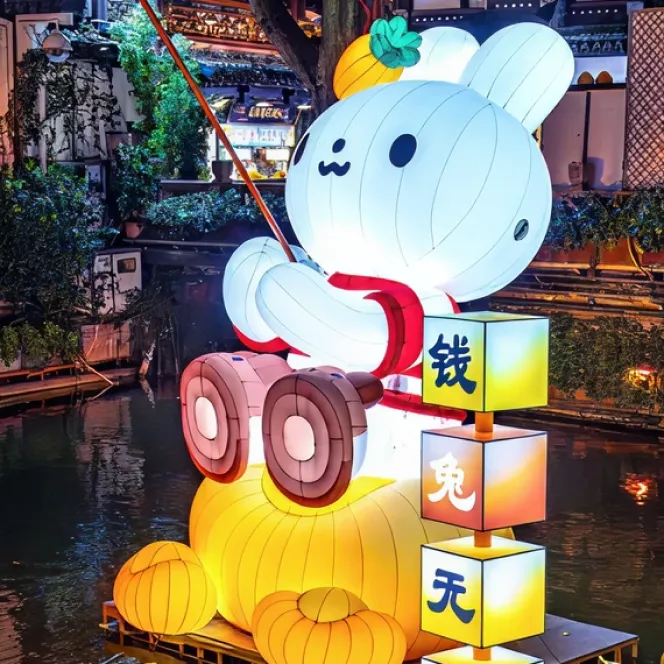

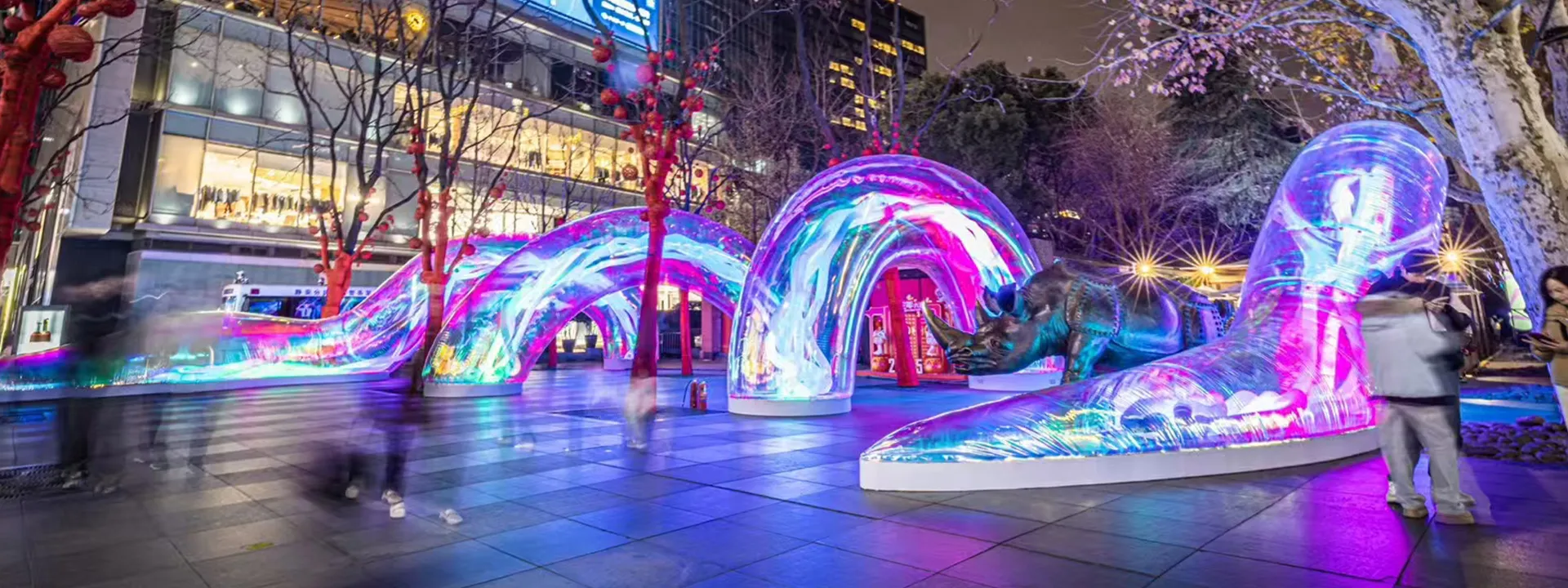
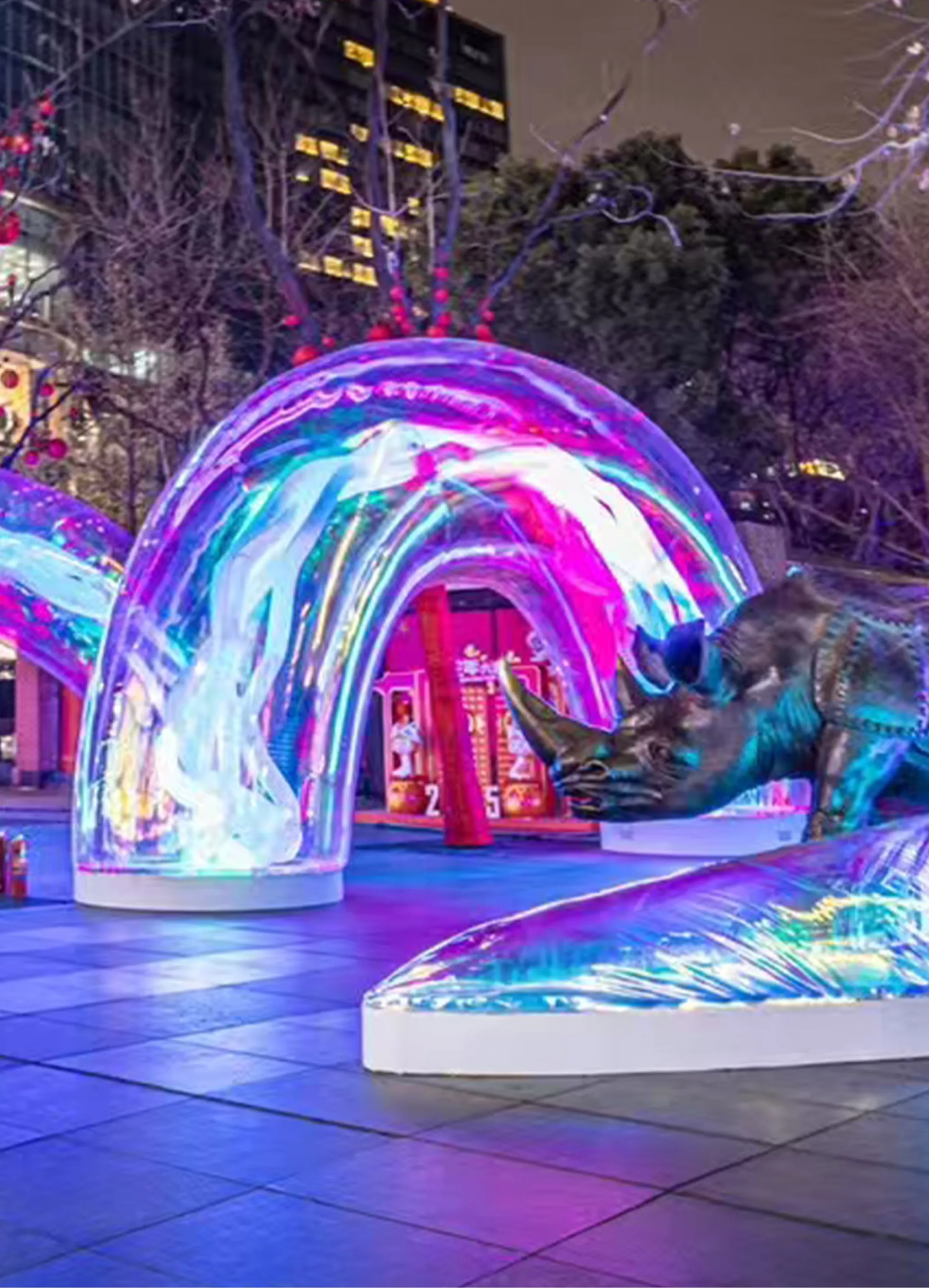
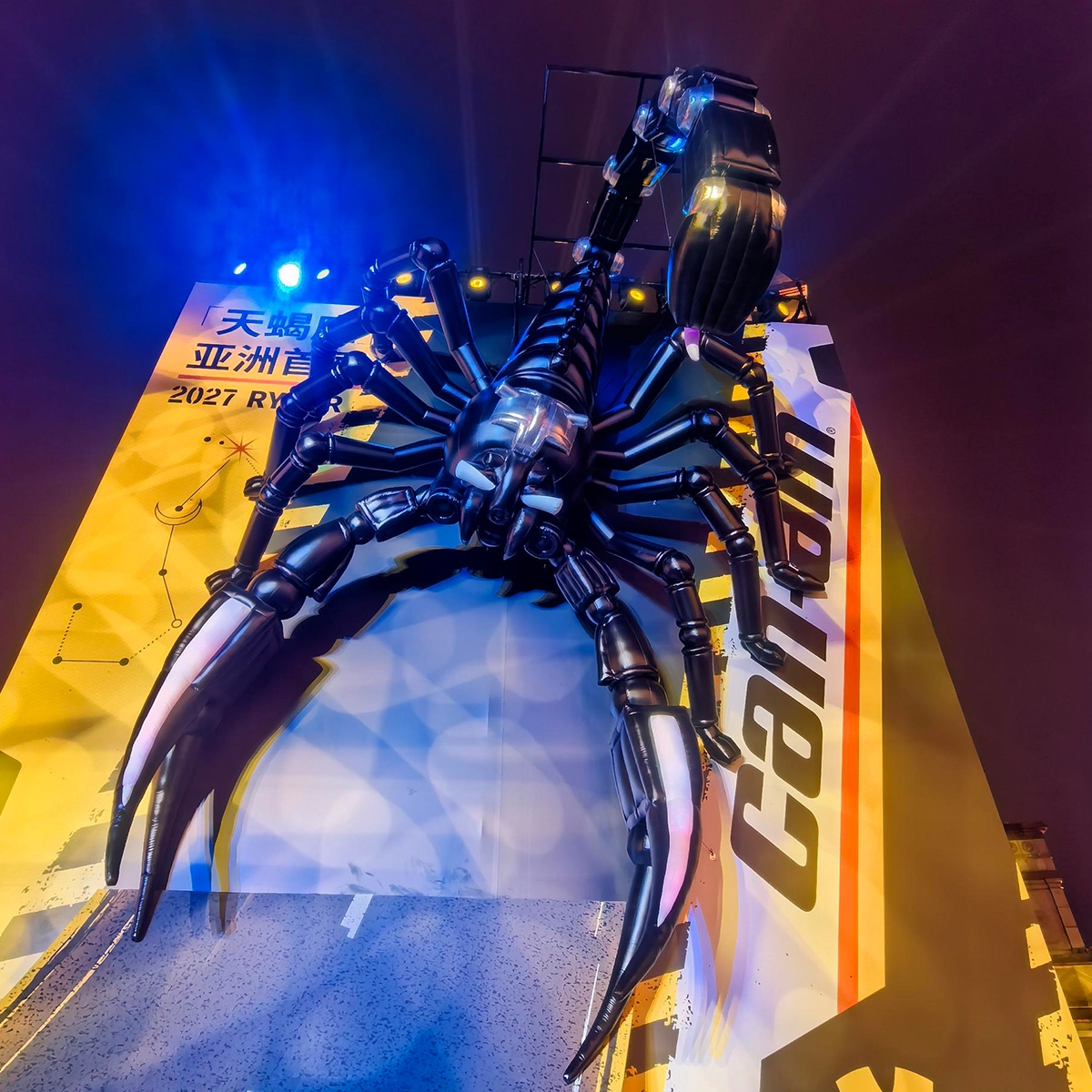
An LED inflatable is two things at once — a sculptural form and a lighting installation. The shape has to read from 200 meters in daylight. The light has to hold color, brightness, and transitions after sunset without washing out the form or bleeding through seams. Getting both right in a single structure is the core challenge of every LED project we take on.
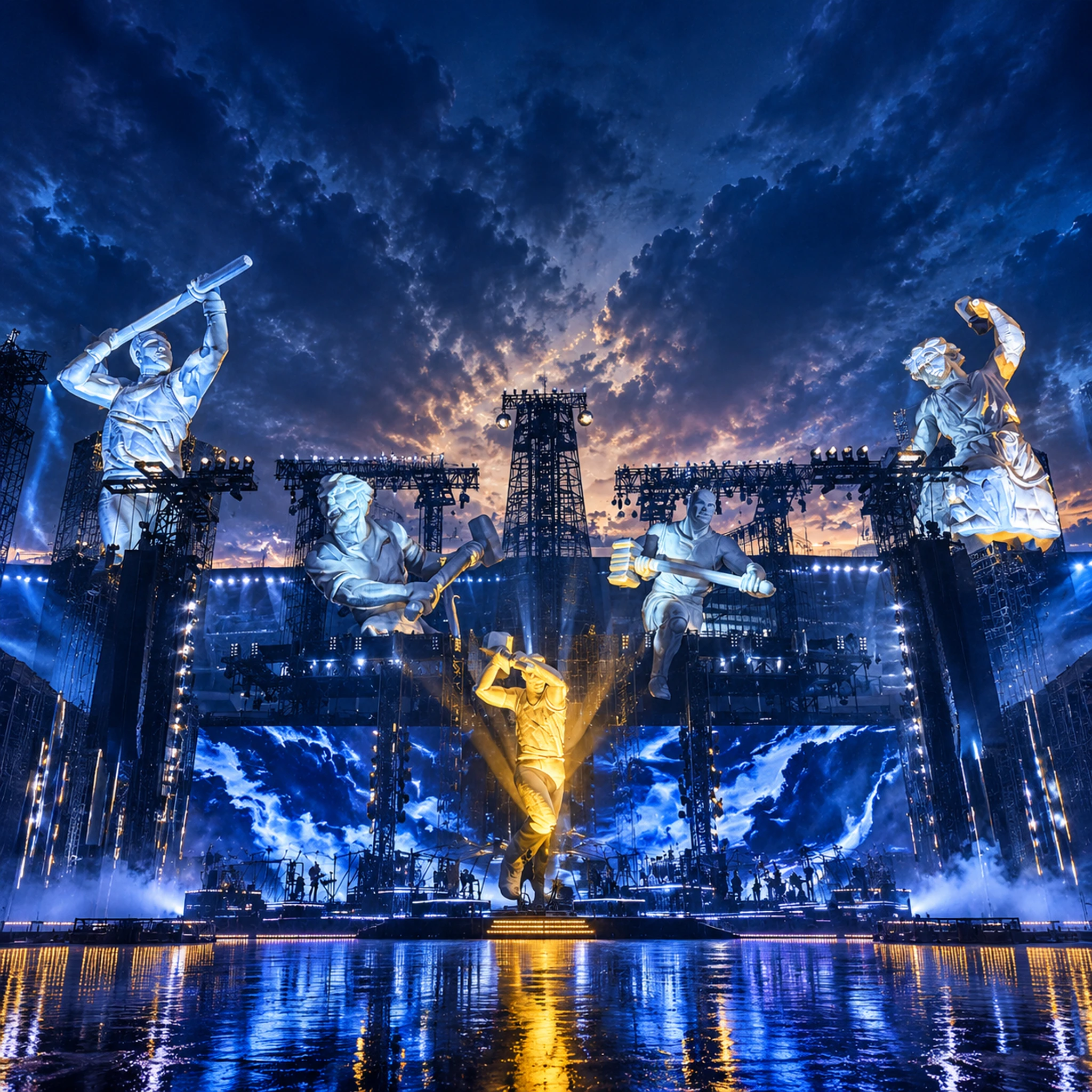
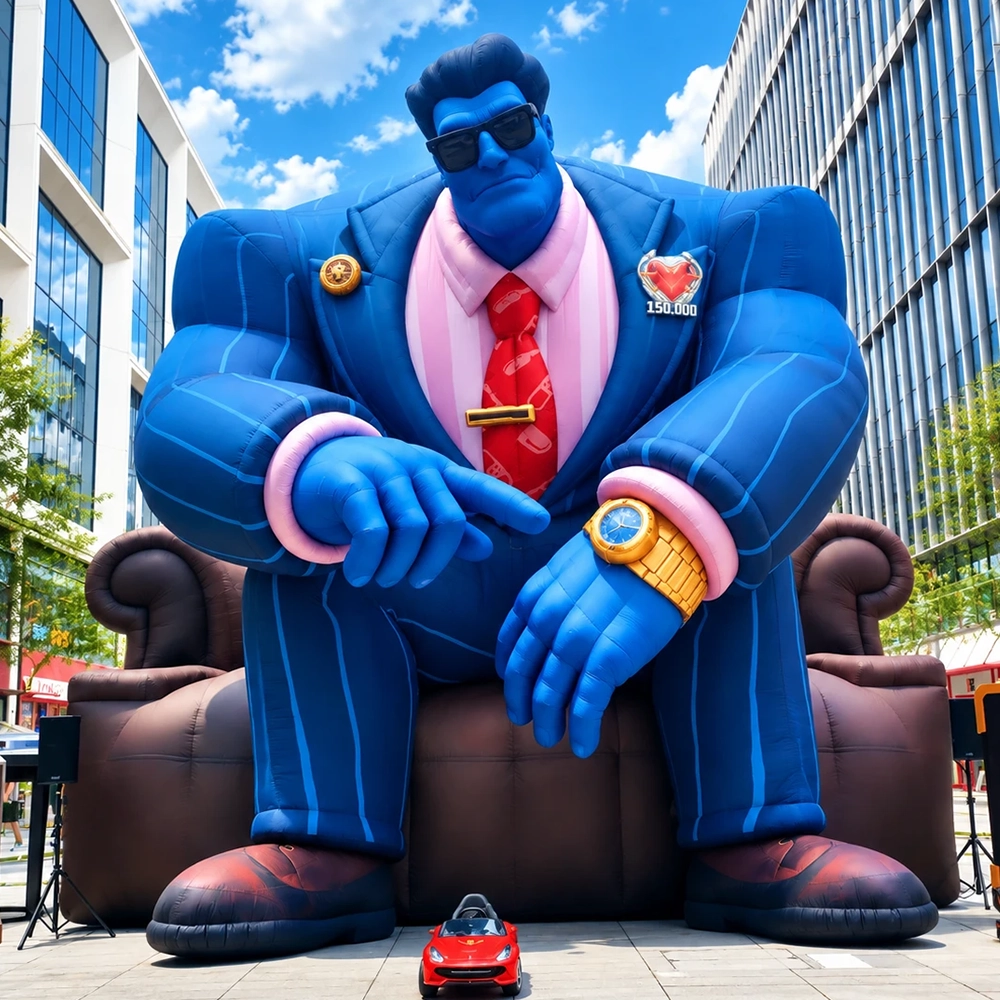
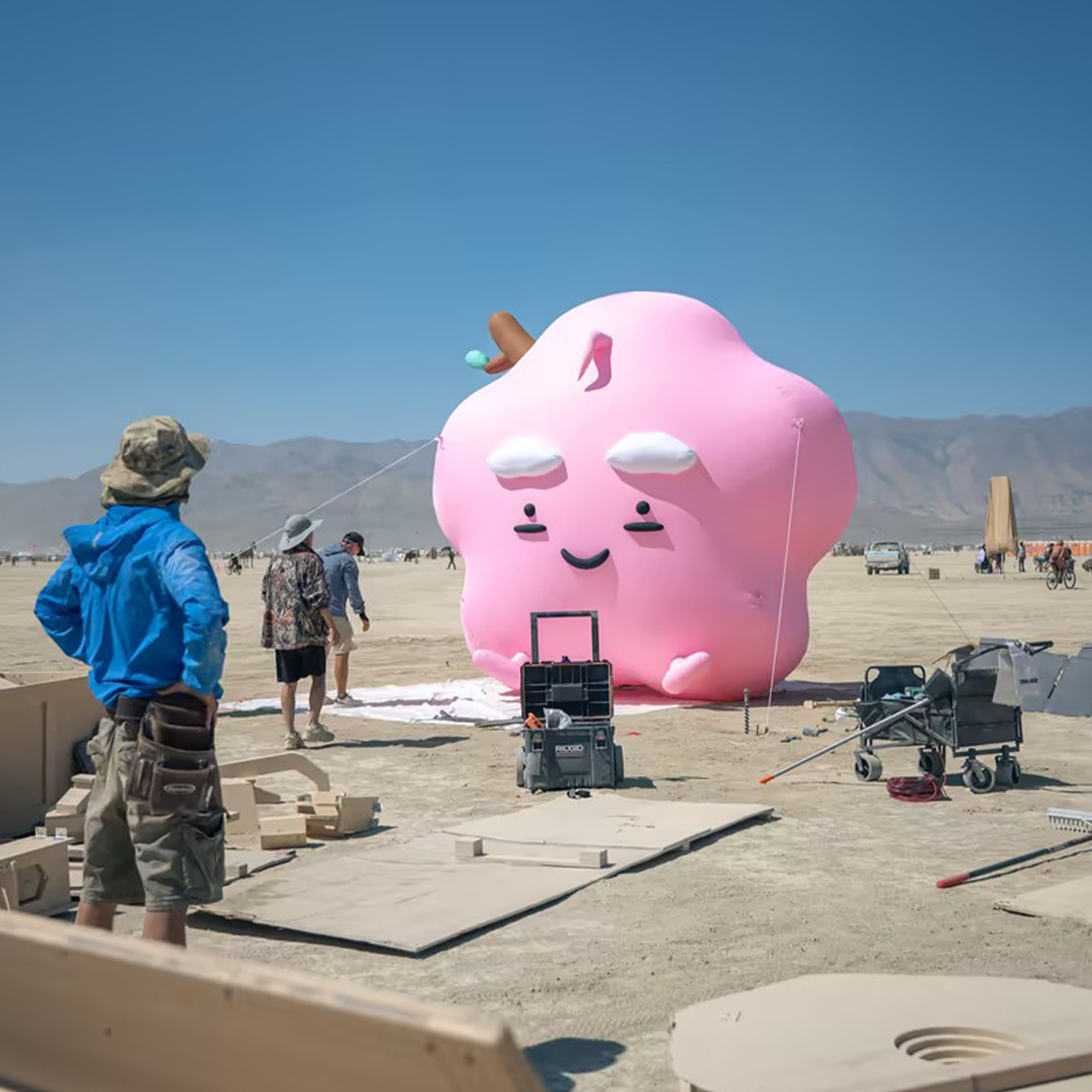
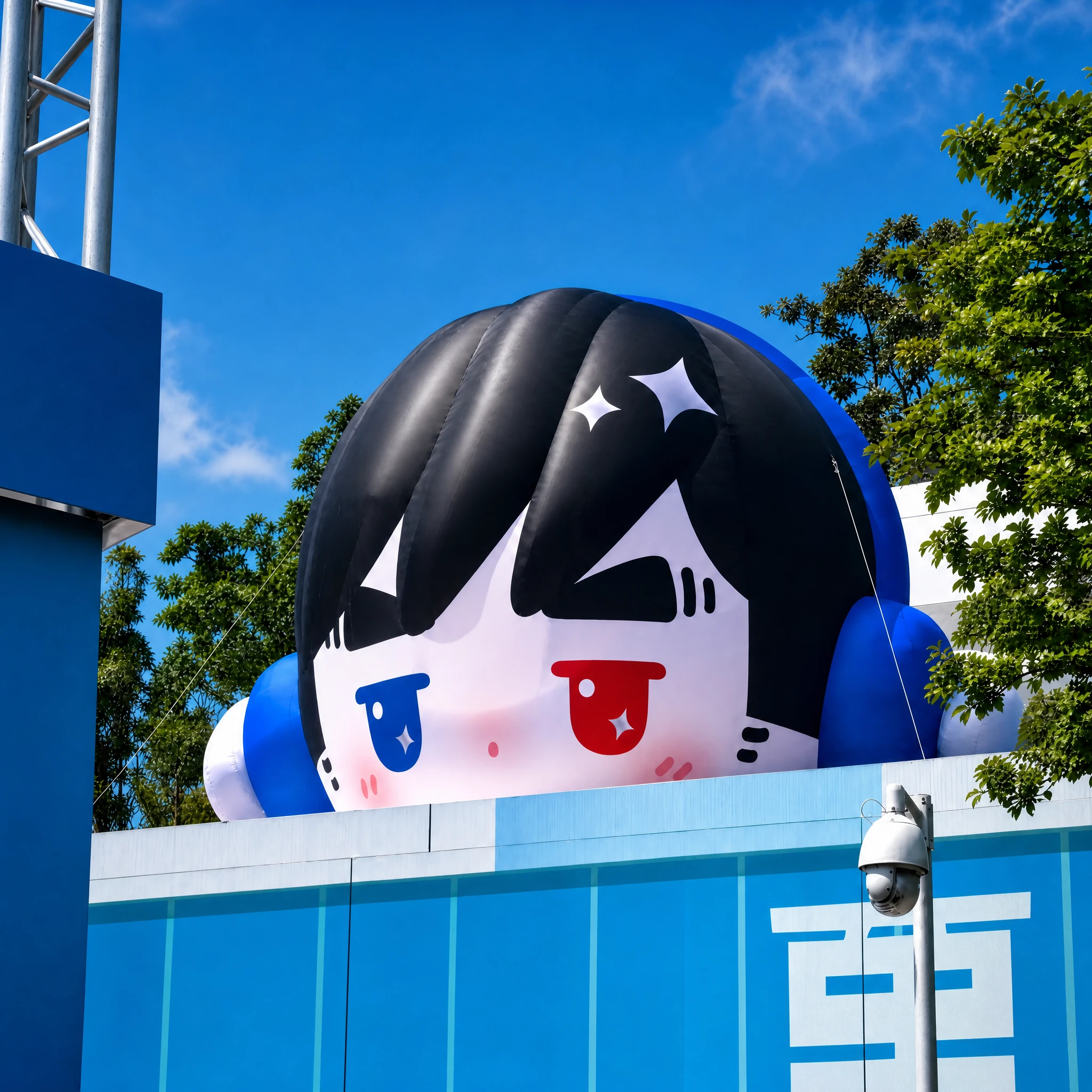
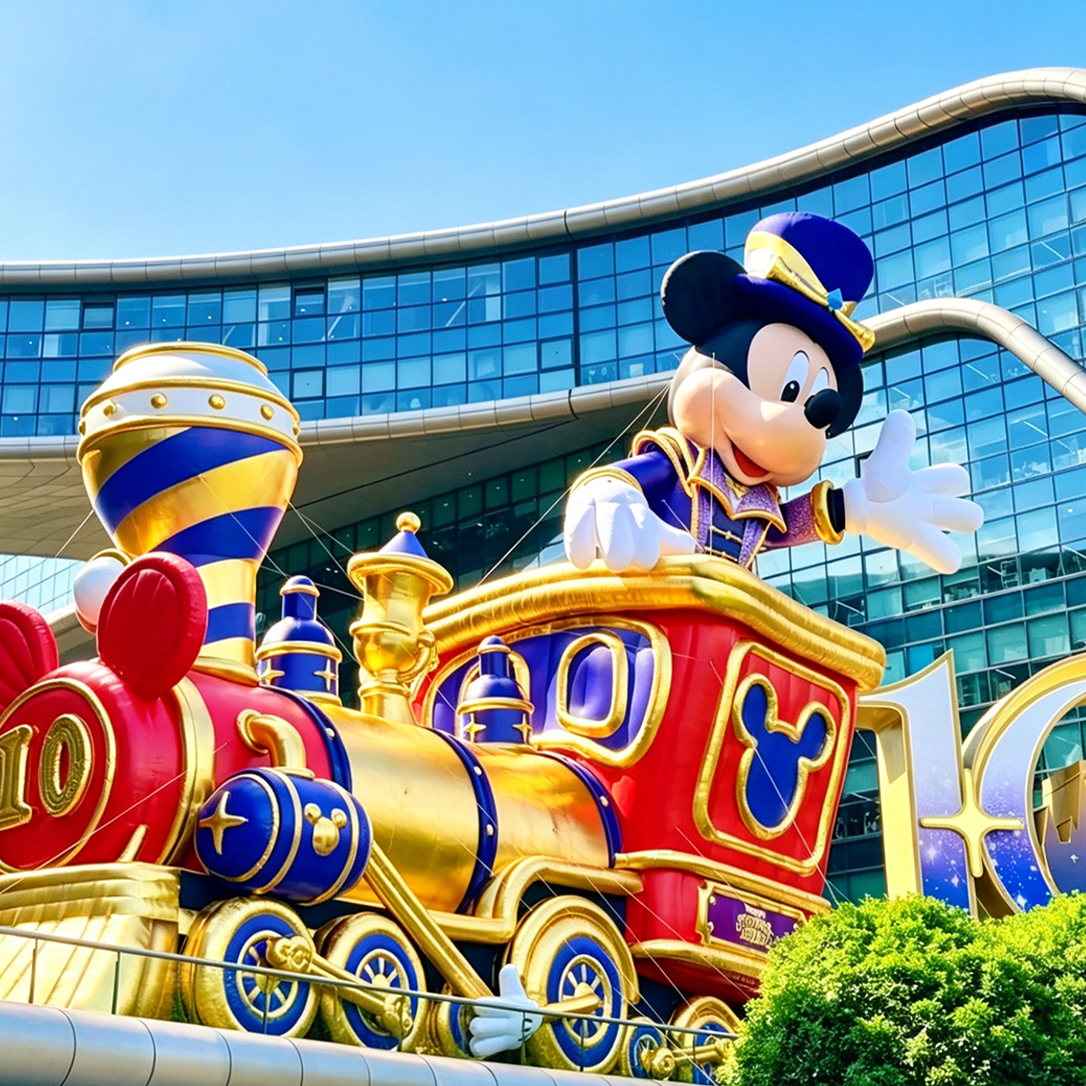
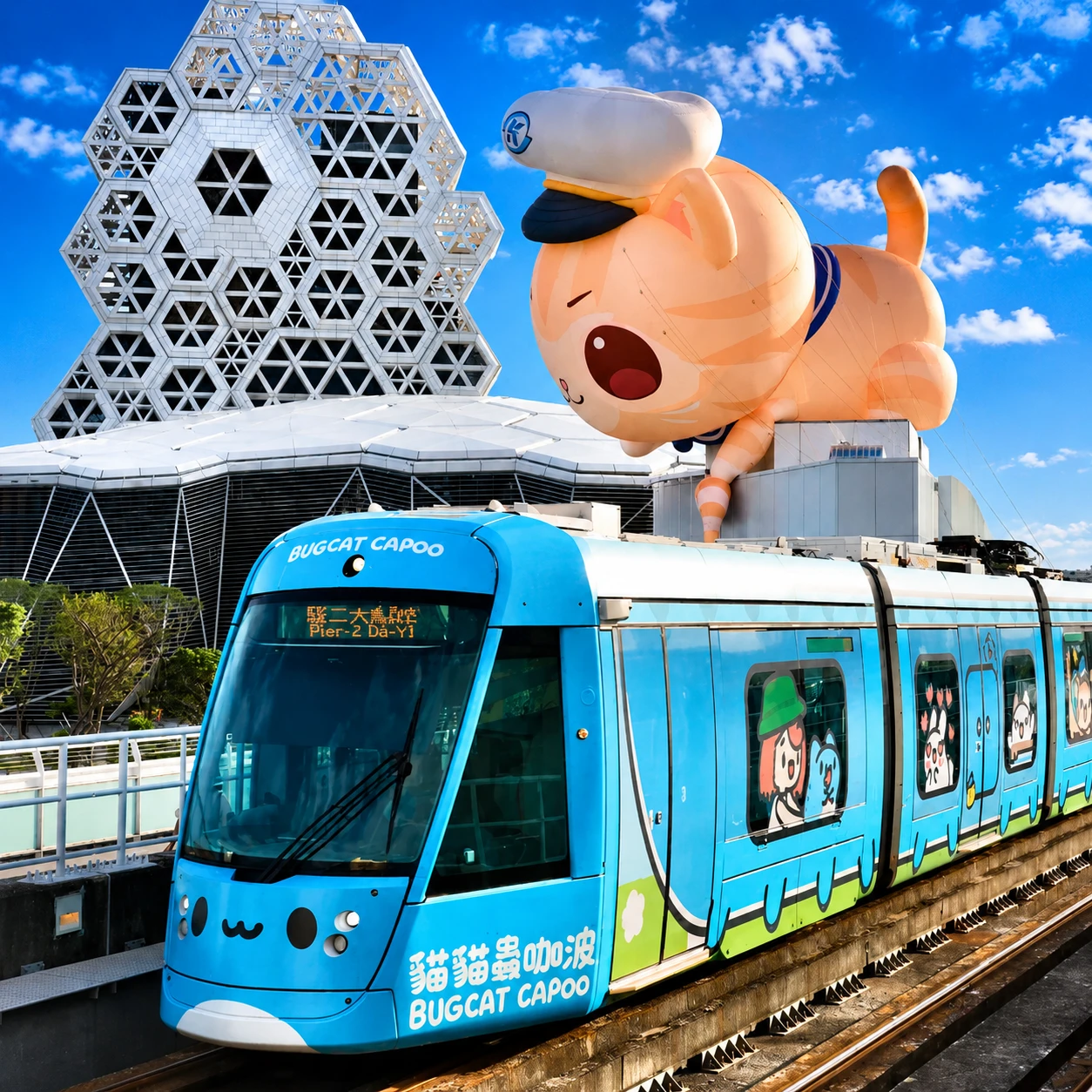
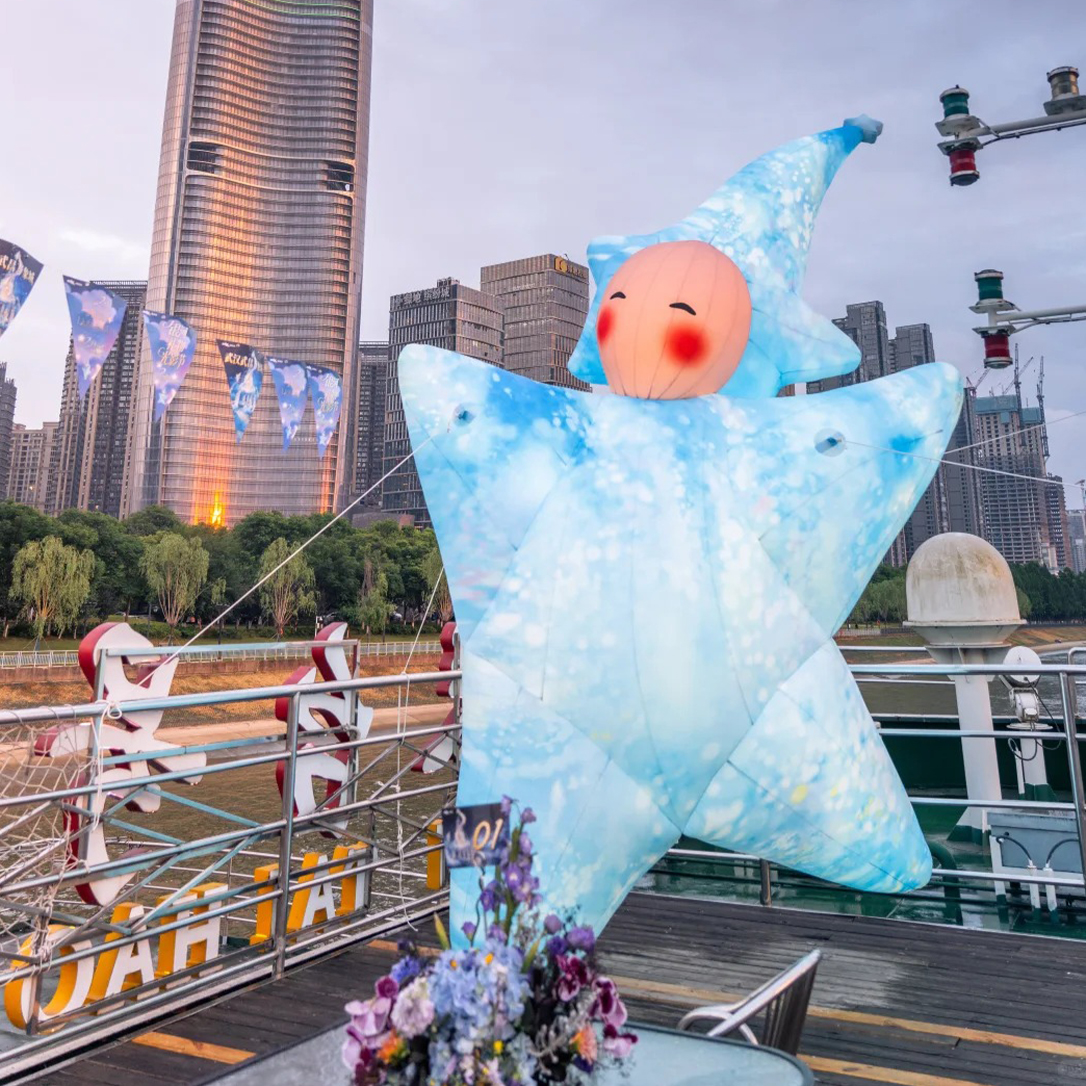
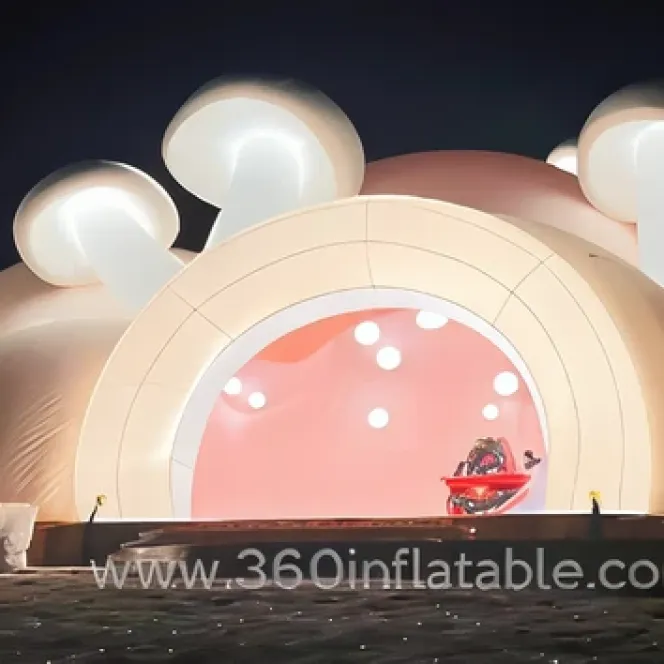
We build LED inflatables for brand activations, night festivals, public art, concert stages, and commercial displays across 40+ countries. Lighting is integrated during 3D modeling — LED strips, DMX controllers, and wiring channels are part of the structure, not aftermarket additions. From a 2-meter glowing mascot to a 30-meter illuminated landmark, every build is engineered for dual-scene impact: day presence, night spectacle.
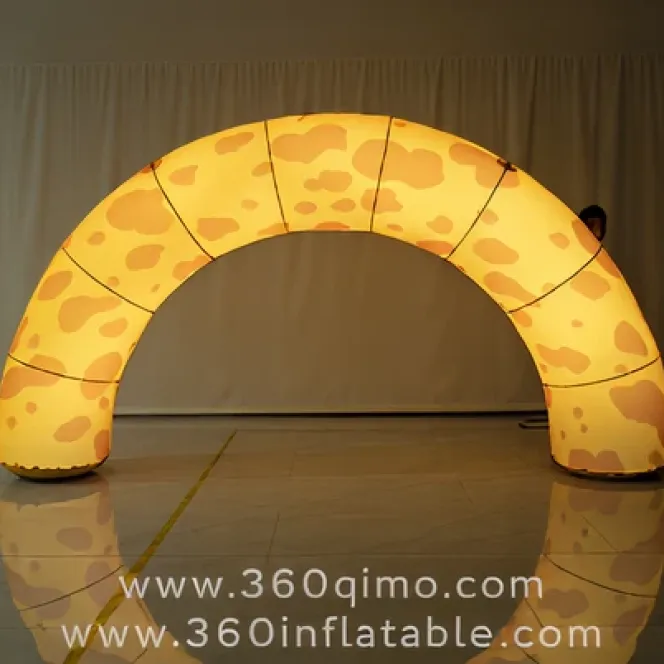
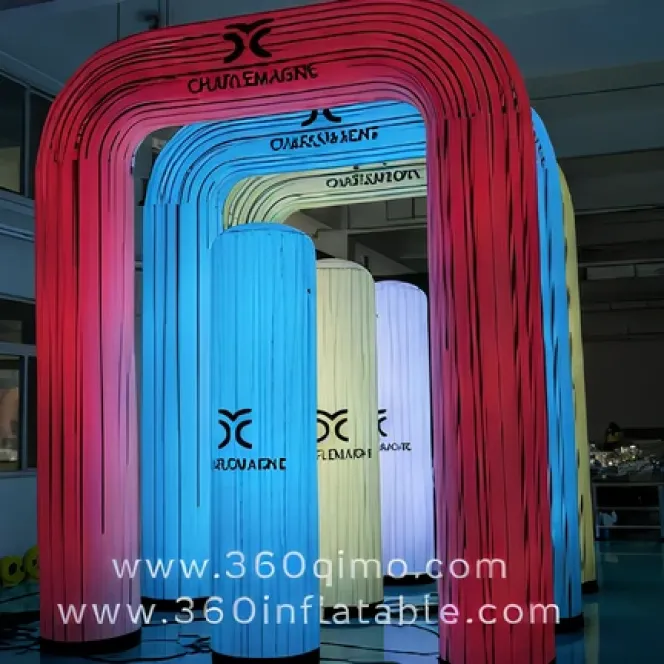
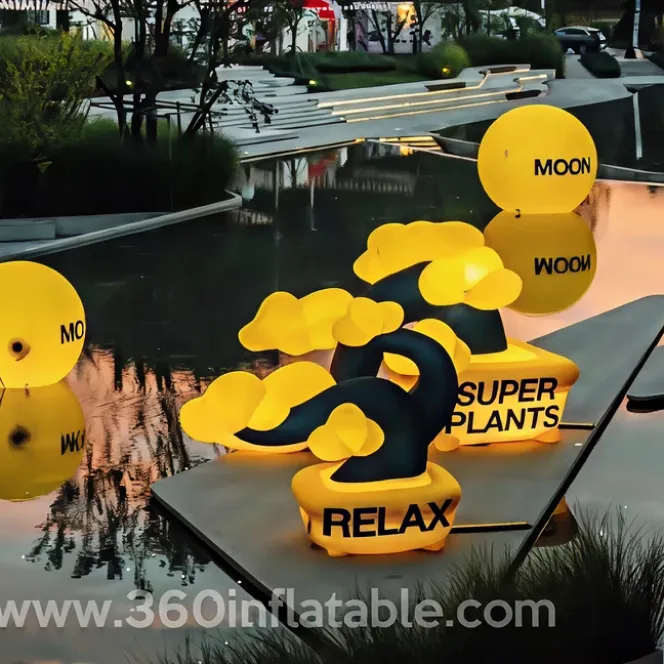
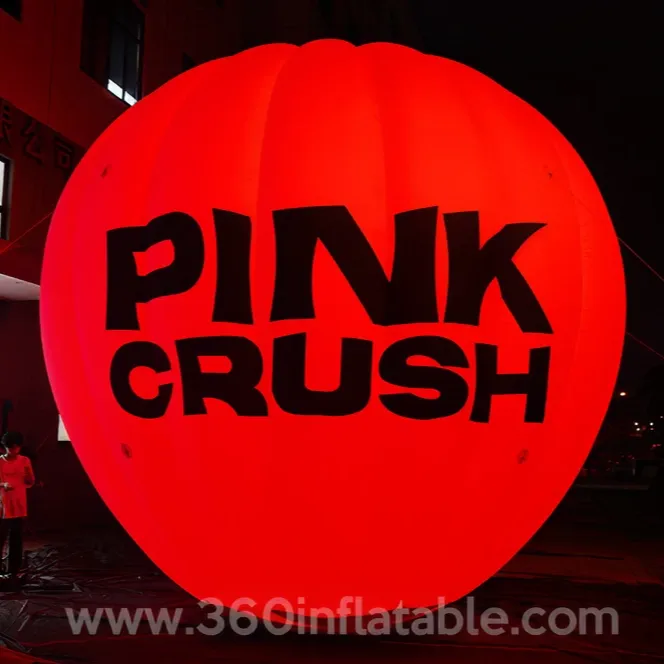
| Materials | Translucent PVC, Oxford fabric, stretch lycra, mirror PVC, frosted PVC (matched to lighting effect) |
|---|---|
| Size Range | 0.5m – 30m+, fully custom dimensions per project |
| Process | 3D modeling with light simulation, digital printing, precision sewing, LED channel integration |
| Stitching | Double-stitched seams with light-sealed joints to prevent bleed-through |
| LED System | RGB strip, RGBW module, DMX512-controlled, APP-controlled, or standalone remote — selected per project |
| Inflation | Continuous-run blower included, 110V / 220V compatible |
| Wind Resistance | Up to 38 km/h with standard anchoring; reinforced engineering for exposed sites |
| MOQ | 1 piece, fully custom LED builds accepted |
| Lead Time | 18 – 40 days depending on LED complexity and scale |
| Certification | CE, UL |
| Warranty | 12 months (structure and LED system) |
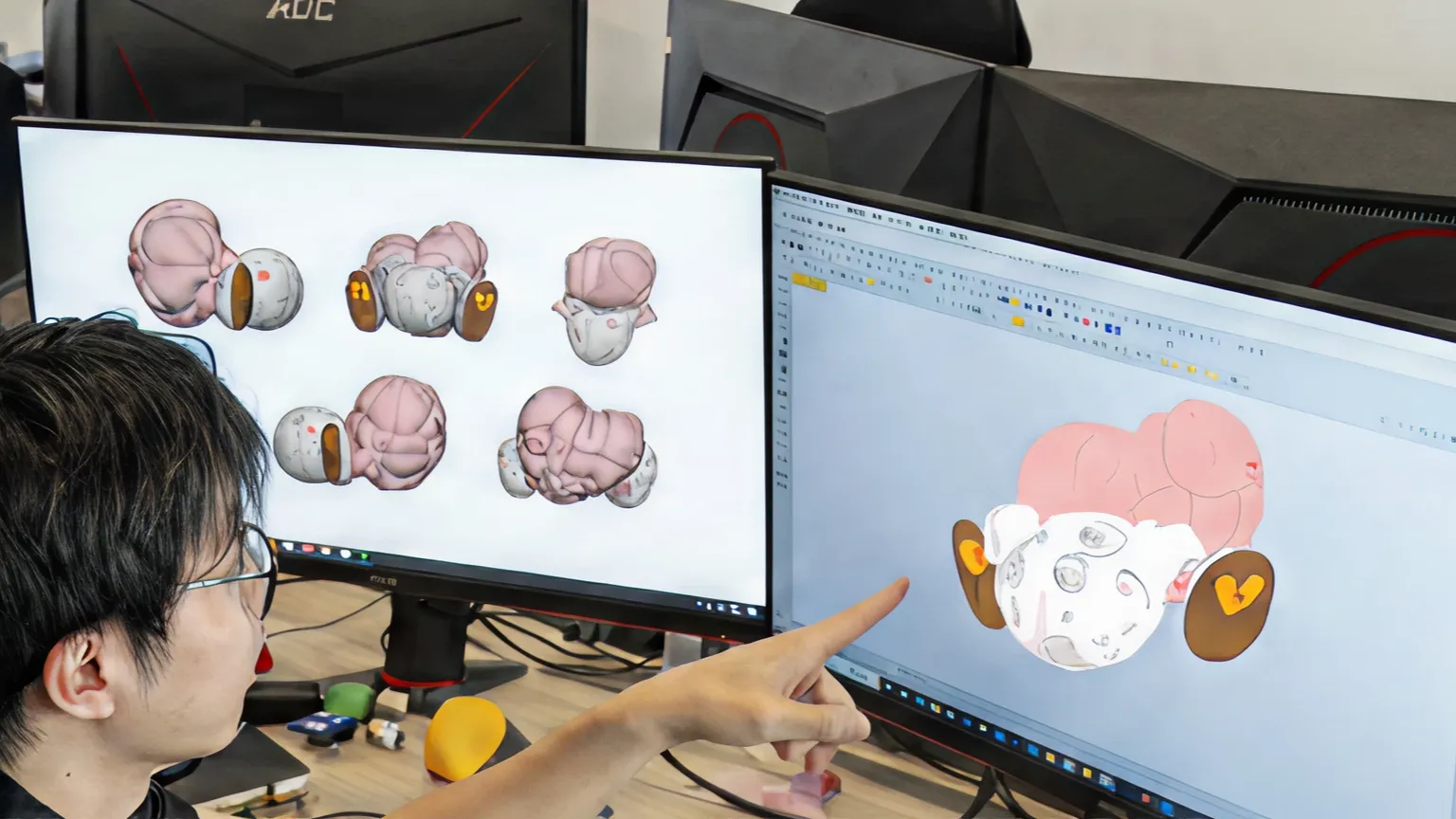
An LED inflatable is not a standard inflatable with lights taped inside. The form is designed around light from the start. During 3D modeling, we map where LED strips sit, how light diffuses through each fabric panel, and where color zones begin and end. The shape you see at night is the shape we engineered in software months earlier.
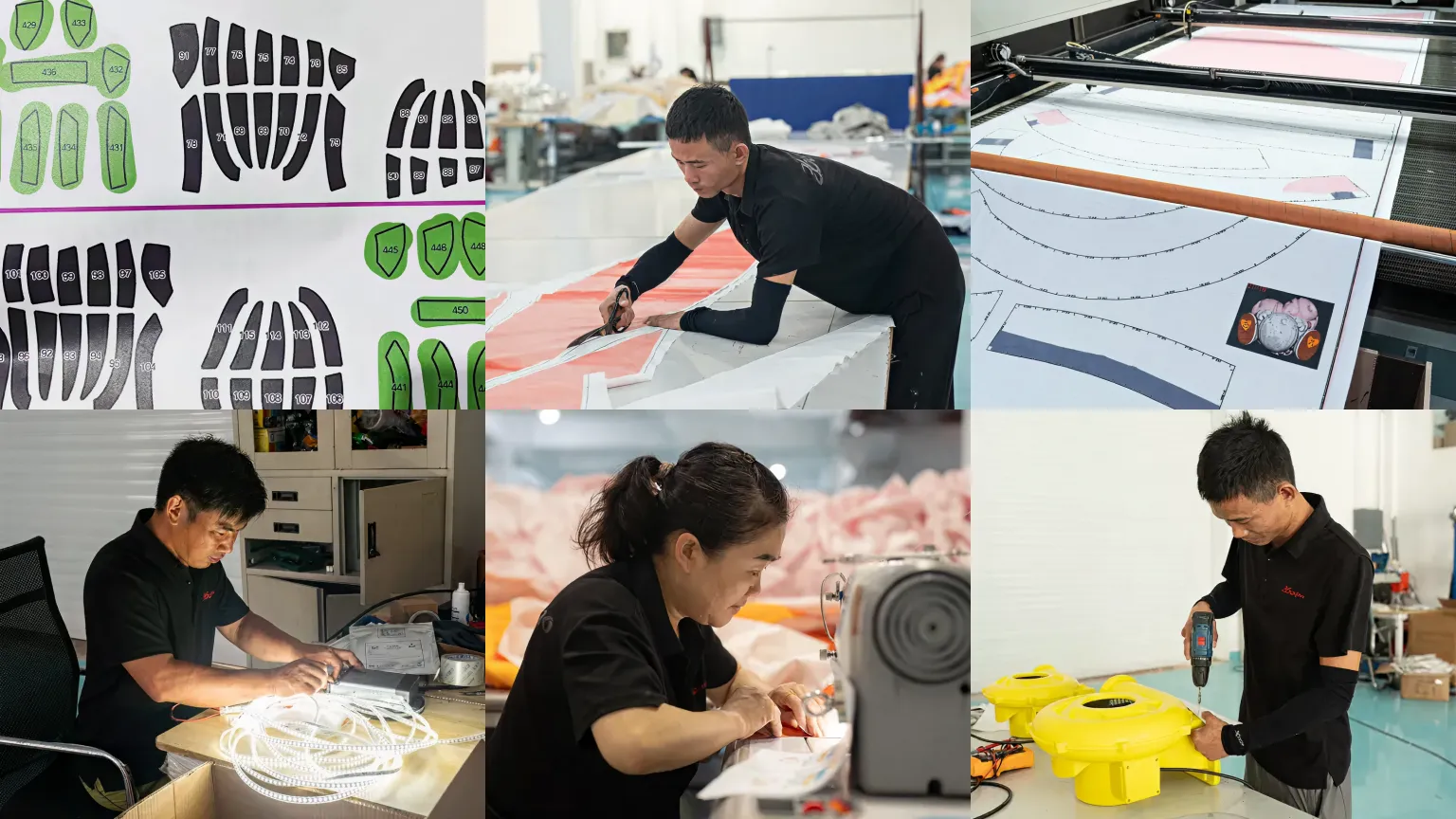
Different projects need different levels of control. A single-color glow for a storefront is not the same as a DMX-synced color show on a concert stage. We support the full range — standalone remote, APP-controlled RGB, DMX512 multi-channel, and ArtNet integration for professional show control. The control system is selected during the design phase and wired into the structure accordingly.
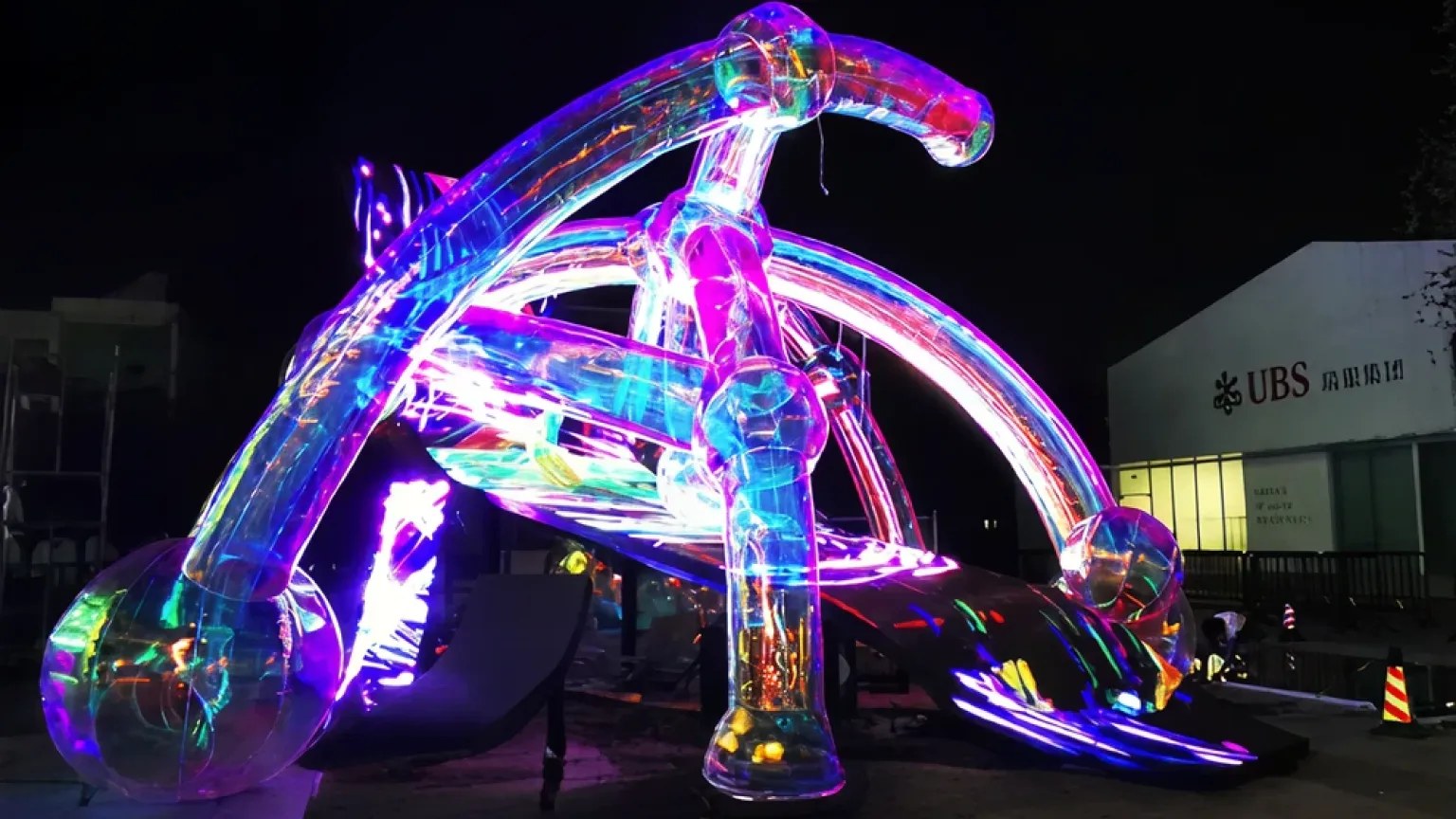
Most LED inflatables only look good after dark. We design for dual-scene use. In daylight, the form holds its visual identity through printed graphics, surface finish, and sculptural proportion. After sunset, the internal lighting system takes over. No compromise in either mode — the same structure delivers two completely different visual experiences.
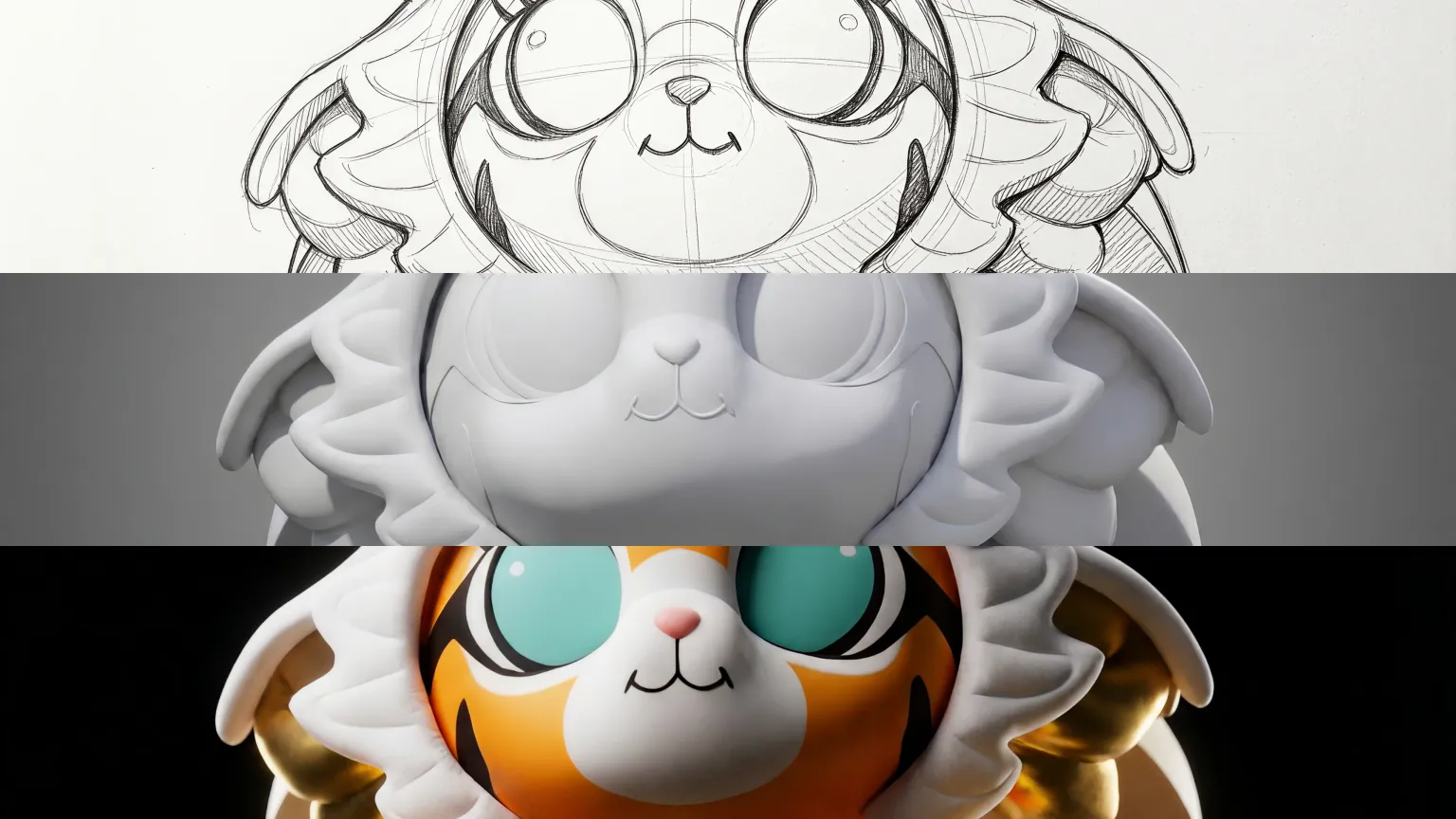
We handle shape design, lighting design, and fabrication in one workflow. There is no gap between the designer who draws the form and the engineer who places the LEDs. Color temperature, brightness distribution, transition speed, and power load are all resolved before a single piece of fabric is cut.
We integrate RGB LED strips, RGBW modules, single-color LEDs, and pixel-mapped LED arrays. Control options include standalone remote, smartphone APP, DMX512, and ArtNet. The system is chosen based on project requirements — a retail display may only need remote-controlled color change, while a concert installation may need full DMX show synchronization.
Yes. Our LED inflatables are built for both environments. Indoor builds use lighter blowers and lower-power LEDs for quieter, climate-controlled settings. Outdoor builds use weatherproof wiring, sealed LED enclosures, and reinforced anchoring. Material and electrical components are specified per deployment environment during the design phase.
All three are available. Remote-controlled RGB is the simplest — plug in and select colors. APP control lets you adjust color, brightness, pattern, and timing from a phone. DMX512 connects the inflatable to professional lighting consoles for synchronized show control. We also support ArtNet for network-based installations with multiple LED pieces.
The inflatable structure is rated for 5–10+ years with proper use and storage. The LED system is rated for 30,000–50,000 hours of operation depending on the module type. Blowers are rated for continuous 24/7 runtime. Replacement LED modules can be swapped without replacing the entire structure.
Our LED inflatables are designed for dual-scene impact. Daytime visibility comes from printed graphics, surface finish, and sculptural form. The LED system activates after dark. Fabric translucency and print density are balanced so the structure looks sharp in both conditions — not washed out by day or patchy by night.
Yes. RGB and RGBW LED systems can be tuned to match specific Pantone or brand color values. For DMX-controlled builds, color presets are programmed before delivery. For simpler remote/APP builds, the color spectrum is adjustable on-site. Print colors on the fabric exterior are also Pantone-matched.
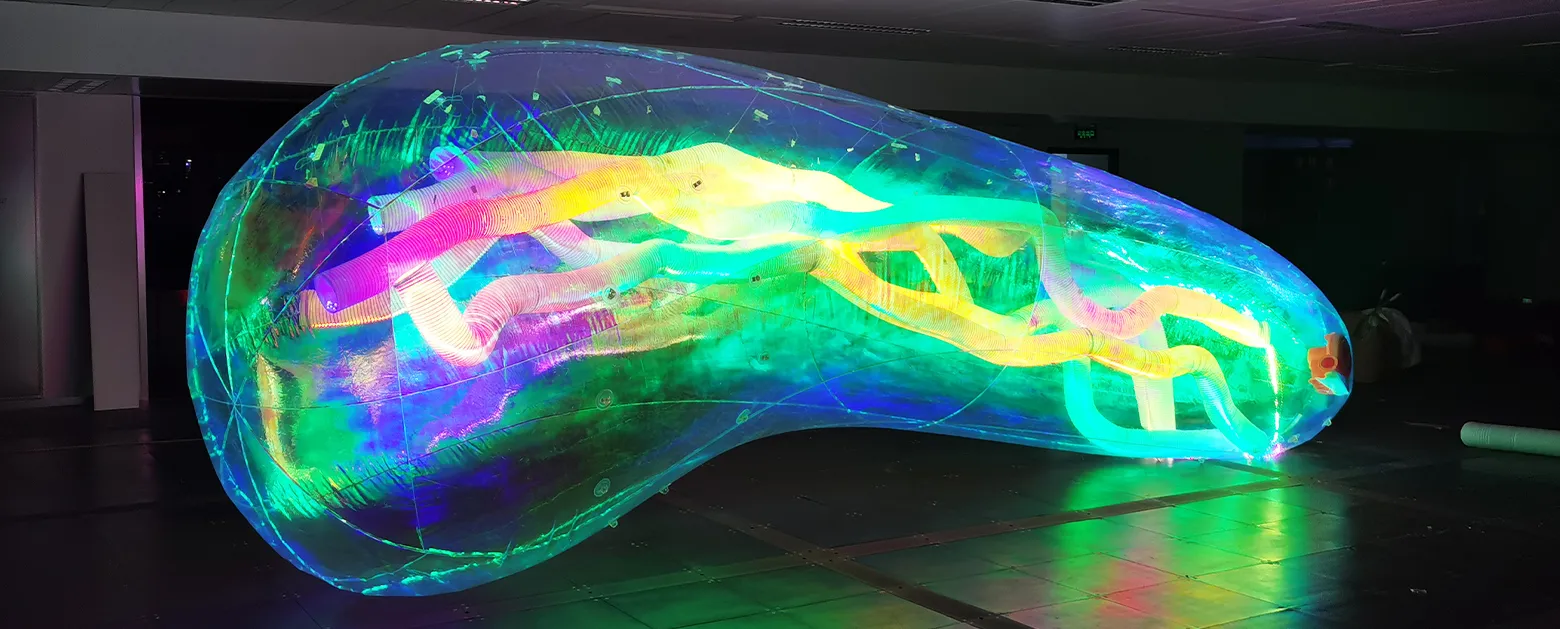
Material depends on the lighting effect. Translucent PVC produces an even, soft glow. Frosted PVC diffuses light while maintaining surface texture. Stretch lycra is used for smooth curved surfaces where uniform light diffusion is critical. Oxford fabric is used in zones that need to block light, creating contrast and zone separation within the same structure.
Power draw depends on size and LED density. A 3-meter LED inflatable typically uses 200–400W total (blower + LEDs). A 15-meter installation may draw 1,500–3,000W. We provide a power spec sheet with every project so your electrician can prepare the site correctly. All systems run on standard 110V or 220V supply.
Yes. DMX512 and ArtNet-connected builds can be synced with music, stage lighting cues, pyrotechnics, video content, and other show elements. We pre-wire DMX input/output connections and provide channel maps so your lighting operator can integrate the inflatable into the show control system directly.
Standard LED inflatable projects take 18 to 40 working days. Simple single-color glowing forms finish faster. Complex multi-zone DMX installations with custom pixel mapping take longer. Rush production is available when timelines are tight — discuss your event date early so we can plan accordingly.
LED inflatables look like magic from the outside. Inside, they are a precise combination of fabric engineering, electrical layout, and light physics. This section breaks down the technical side — how light moves through inflatable skin, what control systems do, and why material choice determines everything about the final visual result.
When an LED strip sits against the inner wall of an inflatable, the fabric becomes the diffuser. The type of fabric controls how light spreads. A translucent PVC panel will glow evenly, hiding the individual LED points behind a smooth wash of color. A thicker Oxford panel will block light entirely, which is useful for creating contrast zones — bright areas next to dark areas on the same structure.
The distance between the LED source and the fabric surface also matters. Too close, and individual LED dots become visible as hotspots. Too far, and brightness drops. We set this distance during 3D modeling by designing internal air chambers that hold the LEDs at the correct offset from the skin.
| Control Type | Best For | Color Range | Sync Capability |
|---|---|---|---|
| IR Remote | Retail displays, simple events | 16 preset colors | None |
| APP (Bluetooth/WiFi) | Brand activations, pop-ups | Full RGB spectrum | Multi-unit group control |
| DMX512 | Concerts, stage shows, festivals | Full RGB/RGBW per channel | Full show sync via lighting console |
| ArtNet | Multi-piece art installations | Pixel-level color mapping | Network sync across dozens of fixtures |
Most manufacturers pick the LEDs first and figure out the fabric later. We reverse this. The visual effect you want — soft even glow, sharp color-blocked zones, visible LED point patterns, or gradient washes — determines the fabric first. Once the fabric behavior is locked, we select LED type, density, and placement to match.
For example, a glowing dome that needs uniform soft light across its entire surface requires translucent PVC with high-density LED strips spaced evenly at a fixed offset. A character mascot that needs a glowing belly but opaque arms requires mixed materials — translucent panels in the torso, Oxford fabric in the limbs — with LEDs only in the translucent zones.
Outdoor LED inflatables face rain, condensation, dust, and temperature swings. All outdoor LED builds use IP65-rated or higher wiring and connectors. LED strips are silicone-coated or enclosed in waterproof channels. Power connections use weatherproof junction boxes with strain relief. The blower intake is positioned to prevent water ingress during rain.
For long-term outdoor deployments (weeks to months), we add redundancy to the wiring — if one LED strip fails, the rest of the system continues operating. Power cables are routed through internal fabric channels, not exposed on the surface, to prevent damage from wind movement or accidental contact.
Every LED inflatable project includes a power specification sheet. This document lists total wattage (blower + LED system), required circuit capacity, recommended cable length, and voltage drop considerations for long cable runs. For large installations or multi-piece setups, we also provide a load distribution plan so your electrician can allocate circuits correctly.
We supply all electrical components pre-wired and tested. On-site, the setup team only needs to connect power and signal cables — no electrical assembly is required in the field.