Oxford Cloth vs PVC for Inflatables: Which Material Should You Choose?
Two quotes for the same 8-meter mascot land on your desk. One supplier prices it in Oxford cloth, the other in PVC tarpaulin, and the PVC figure is noticeably higher. The temptation is to treat oxford cloth vs PVC for inflatables as a simple budget question and pick the cheaper fabric. After twenty years of building custom inflatables, we can tell you that is the most expensive way to decide. Neither material is universally better. Each one fails in predictable ways when it is used in the wrong scenario, and the cost of a wrong choice surfaces later as scuffed coatings, mould in the storage bag, or a brand color that never quite matched. This guide compares the two materials the way our factory compares them: by use scenario first, price second.
What are Oxford cloth and PVC inflatables made of?
Oxford cloth for inflatables is a woven polyester fabric finished with a thin PU or PA coating that makes it airtight and water resistant while keeping a soft, textile feel. PVC inflatable fabric is a polyester scrim laminated or knife coated with PVC on both faces, producing a heavier, fully waterproof sheet that heat welds into airtight seams.
Two specifications describe how heavy each fabric is. Denier (D) measures the weight of the yarn in a woven cloth: 210D Oxford is light and supple, 420D is the workhorse for display inflatables, and 600D adds abrasion resistance for ground-contact zones. PVC tarpaulin is specified by weight per square meter and by thickness; heavier grades resist flex cracking but add shipping weight. The construction difference matters more than the numbers. Oxford panels are sewn, so Oxford inflatables run with a constant-air blower that keeps them firm. PVC panels can be welded as well as sewn, which is what makes sealed, blower-free inflatables possible.
Oxford and PVC are the two base fabrics, but they are not the whole library. On our material rack they sit alongside mirror-finish cloth, transparent and frosted PVC, plush, PVC mesh tarpaulin and pearlescent fabrics, each chosen for a specific surface effect or structural demand. Our inflatable materials guide covers the full range; this article focuses on the two fabrics behind most custom projects.
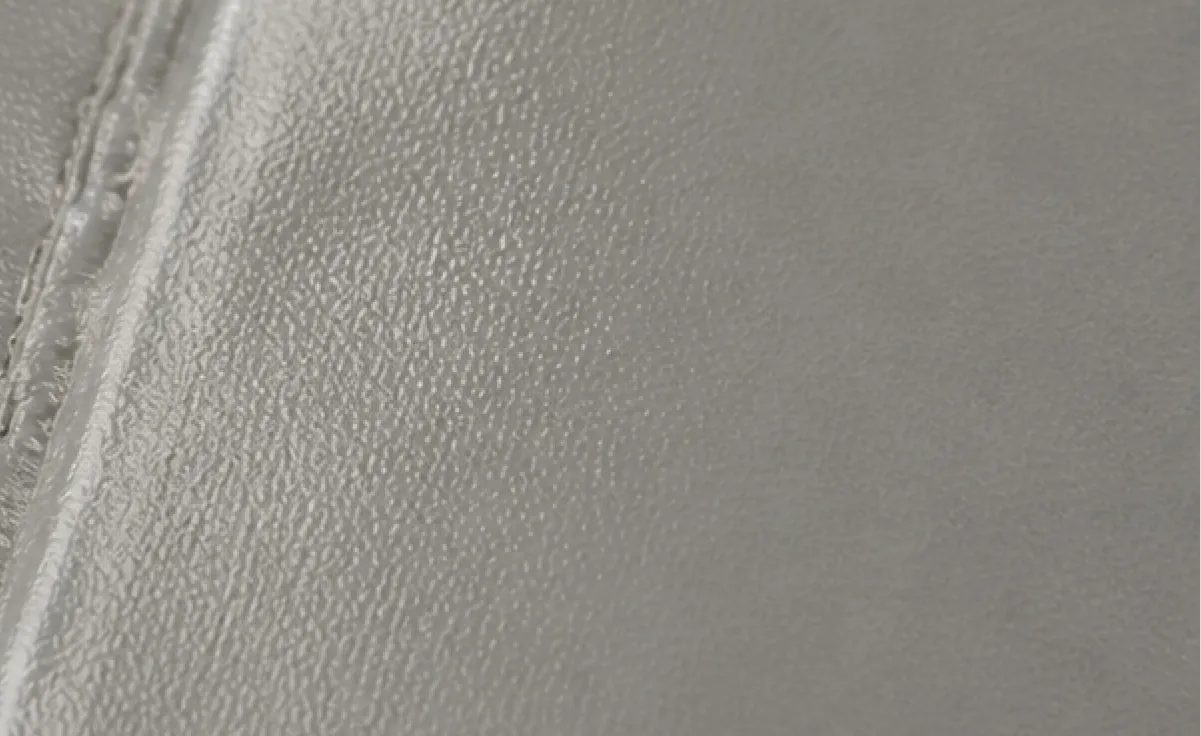
Oxford cloth vs PVC for inflatables: key differences at a glance
In short: Oxford cloth is lighter, softer, folds smaller and prints with higher fidelity, while PVC is heavier, fully waterproof, weldable into airtight seams and better suited to long-term outdoor exposure. The table below summarizes how the two compare across the factors that decide a real project.
| Factor | Oxford cloth | PVC tarpaulin |
|---|---|---|
| Weight | Light; two people can handle most units | Heavier; plan handling and freight accordingly |
| Touch and appearance | Soft, matte, textile-like | Smooth and glossy; also mirror and transparent versions |
| Print fidelity | Excellent for fine detail and Pantone-matched brand colors | Good for bold graphics; gloss slightly shifts color perception |
| Water resistance | Water-resistant coating; sewn seams can wick moisture | Fully waterproof; welded seams do not leak |
| Tear and abrasion | Good tear resistance from the weave; coating scuffs under ground drag | High tensile strength; repeated folding can whiten creases |
| UV and weather | Coating ages under months of direct sun | Better for long-term sun and rain exposure |
| Packing and storage | Folds compact and recovers well | Heavier; roll rather than fold to avoid crease marks |
| Cost | Lower material cost per square meter | Higher material cost; welding adds labor |
| Typical lifespan | Five to eight commercial seasons with disciplined care; coating wear shows first | Comparable service life; seam welds and creases show first |
When should you choose Oxford cloth?
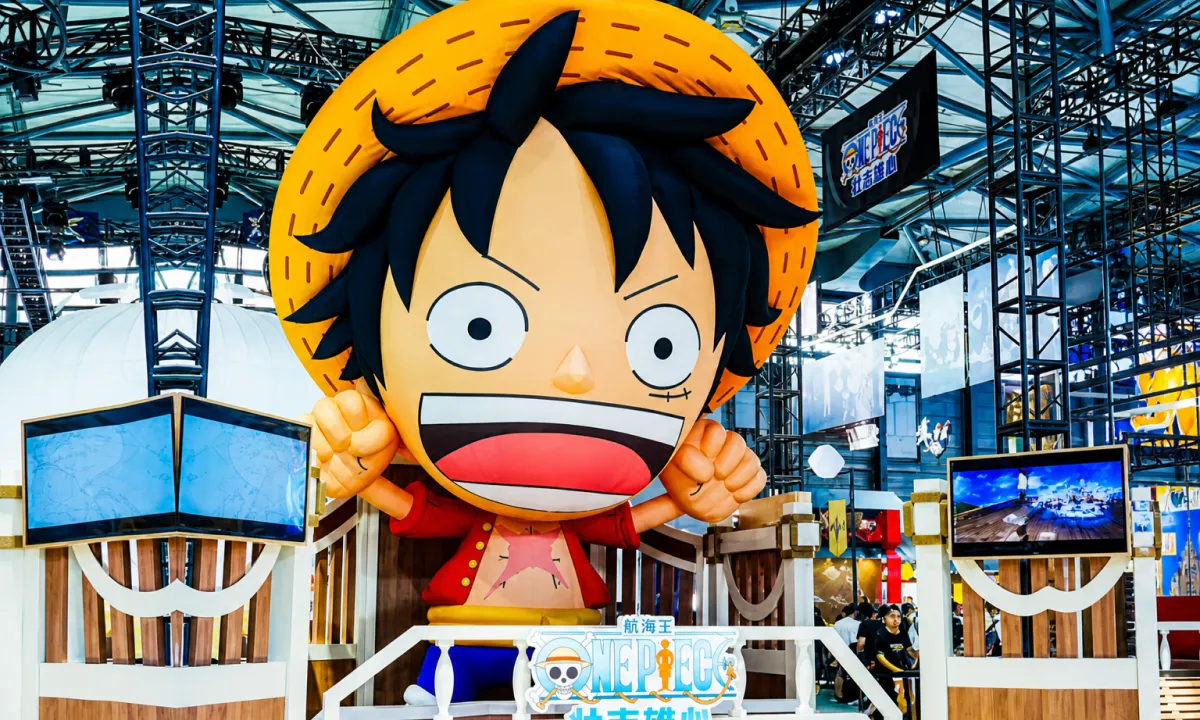
Choose Oxford cloth when the piece is large but must stay light, when it travels and packs down between events, when people will touch or photograph it up close, or when exact brand color reproduction is non-negotiable. For mascots, cartoon characters and indoor displays, Oxford is our default recommendation.
- Frequent pack-down and transport. A folded Oxford unit takes a fraction of the crate volume of PVC, which cuts freight cost and setup labor on multi-city campaigns.
- Large mascots and IP characters. The soft, matte surface reads as fabric rather than plastic, so characters photograph well and feel right when visitors touch them.
- High-precision branding. Oxford accepts fine digital printing and heat-transfer detail, and our Pantone matching with multi-angle white-model verification keeps approval rates above 98 percent, which matters when a licensor signs off on every color.
- Indoor exhibitions and mall displays. With no rain load to engineer against, the lighter fabric wins on cost and handling.
When is PVC the better choice?
Choose PVC when the inflatable must stay airtight without a blower, live on or in water, survive months of outdoor exposure, or carry a mirror or transparent finish. Welded PVC seams hold air indefinitely, which is why sealed and floating inflatables are built on PVC tarpaulin.
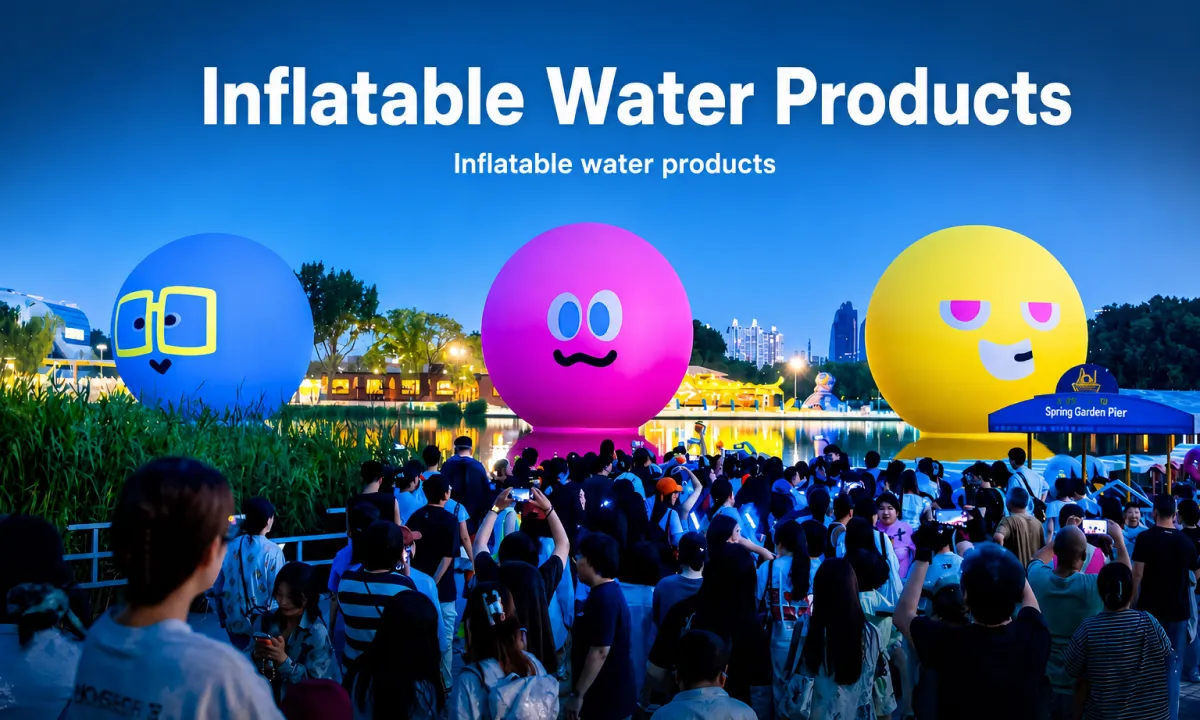
- Water installations. Floating pieces sit in continuous contact with water, and PVC's waterproof surface with welded seams is the only safe choice. Our floating inflatable projects are all built this way.
- Sealed, blower-free inflatables. Where a constant blower is impractical (rooftops, quiet indoor venues, hanging pieces), welded PVC holds pressure for the whole event.
- Long-term outdoor deployment. Months of sun and rain consume Oxford's coating faster than PVC's surface.
- Mirror, metallic and transparent effects. These finishes exist only on PVC-based materials; if the design calls for a chrome or glass look, the material question is already answered.
How do cost and lifespan compare?
PVC material and welding labor usually make it the higher quote, but purchase price is the wrong number to compare. Divide total cost by deployments: with disciplined care, either material typically serves five to eight commercial seasons, so the fabric that survives your scenario is the cheaper one per event.
The two materials age differently, and maintenance decides which failure mode you meet first. Oxford shows wear as coating scuff and gradual print fade; PVC shows it as seam stress and crease whitening from repeated folding. The same habits stretch or shorten both timelines: cleaning before storage, complete drying, correct packing and blower care. Our inflatable maintenance and storage guide details the protocol we give every client, and proper use extends service life to five to ten years or more depending on the deployment environment.
Where buyers overspend is mismatch, not material. Paying PVC prices for an indoor mascot buys weight you never needed. Saving with Oxford on a year-round outdoor installation buys recoating work and early replacement. The amortized math only works when the material matches the scenario.
Still not sure? How we help clients choose
We recommend material after four questions: how large is the piece, where will it run, how long will each deployment last, and how will it travel. Your answers usually point to one fabric; when they point to both, we combine them in a single build.
A common hybrid is an Oxford body with a PVC-reinforced base: the character keeps its soft printed surface while the ground-contact zone gets PVC's abrasion and water resistance. Anchoring skirts, blower sleeves and wear patches follow the same logic. Because design, printing, welding and sewing all happen under one roof in our Wenzhou facility, switching or combining materials is a production decision, not a sourcing problem.
If you are still weighing oxford cloth vs PVC for inflatables, send us your design brief and event scenario. Our team will recommend the right material for your project and respond with a 3D mockup and a detailed quote within 24 to 48 hours, whether the answer is a single giant inflatable mascot or a full set of event structures.
FAQ
For short outdoor events of a few days or weeks, both materials perform well. For months of continuous sun and rain, PVC is the more durable choice because its surface does not rely on a coating that UV degrades, and welded seams keep water out of the structure. For pieces that deploy outdoors but pack away between events, Oxford's lighter weight reduces handling damage, which is its own durability factor.